The conflict in Yemen is rapidly escalating, threatening to engulf the entire region in a devastating civil war. The Houthis, backed by Iran, have been making significant territorial gains, controlling a third of Yemen, including the capital Sanaa. This development has raised concerns about the potential for a wider conflict, given the complex web of alliances and rivalries between regional powers, including Saudi Arabia, Iran, Turkey, and Pakistan. The situation is further complicated by the ongoing US-Iran confrontation over the Strait of Hormuz.
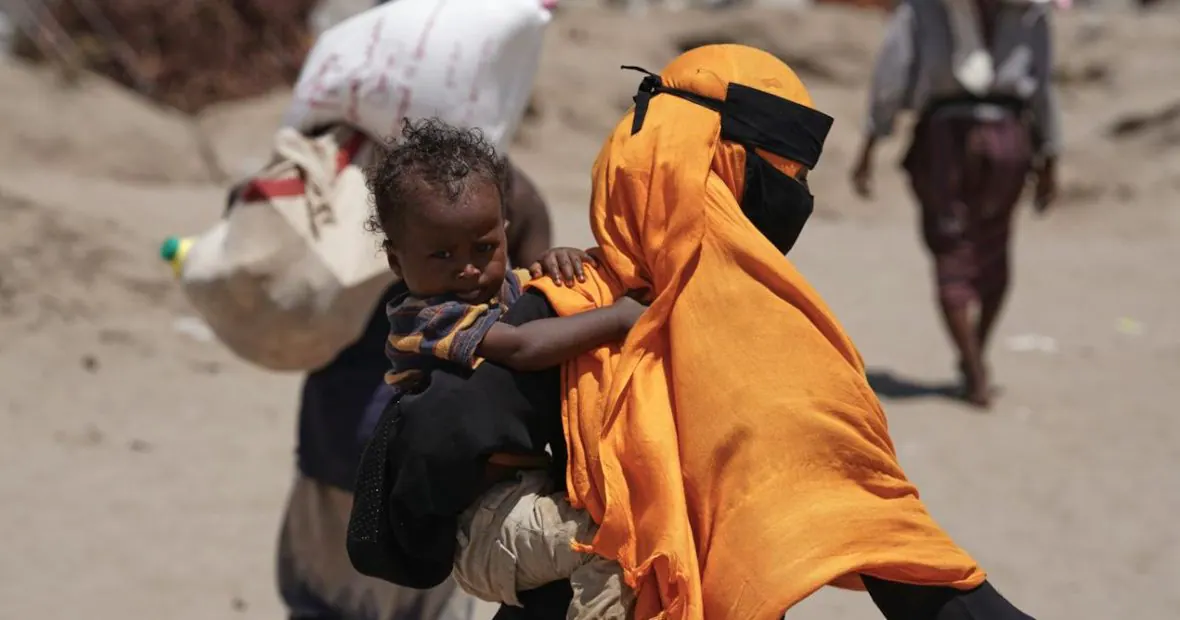
The Houthis' recent gains have been accompanied by increased attacks on Saudi oil facilities, tankers, and its main airport in Riyadh. In response, Yemeni and Saudi forces have launched a counteroffensive to retake territory held by the Houthis. The renewed conflict has already had a devastating impact on the Yemeni people, with over 800 killed, 3,000 injured, and 158,000 displaced. This comes on top of the hundreds of thousands of people who have died since the civil war and Saudi-led intervention began in 2014-15.
The conflict has significant implications for global energy supplies, as the Bab al-Mandab Strait, a vital waterway connecting the Red Sea to the Gulf of Aden, is under Houthi control. The strait's importance cannot be overstated, as it is a critical conduit for oil and liquefied natural gas exports. Any disruption to this waterway could have far-reaching consequences for the global economy. The US has offered support to Saudi Arabia, but has declined to get directly involved in the conflict.
In response to the escalating conflict, Saudi Arabia has sought support from its new security partners, Pakistan and Turkey. The two countries have agreed to activate their newly signed mutual defense pact and deploy troops to help defend Saudi Arabia if it's attacked again. This development has raised concerns about the potential for a wider conflict, drawing in multiple regional powers.
The US-Iran war has reached a stalemate, with Tehran remaining adamant that it controls the Strait of Hormuz. US President Donald Trump has been cautious about escalating the conflict, aware of the potential impact on American consumers and the midterm elections. The situation remains volatile, with Iran warning that it will retaliate if the US escalates the conflict with more lethal force.
The international community is watching the situation closely, with concerns about the potential for a wider conflict and its implications for global economic stability. The conflict has already taken a heavy toll on the Yemeni people, and any further escalation could have catastrophic consequences. A negotiated deal between Washington and Tehran seems like a distant goal, but it is still possible.
The crisis has multiple dimensions, with the US war of choice against Iran at its root. If Trump does escalate the conflict with more lethal force, Tehran is prepared to retaliate, targeting US Arab allies in the Gulf more severely than before. The overall situation remains very explosive, unless Washington and Tehran pull back from the brink and opt for a negotiated deal.
Key points
- The conflict in Yemen risks drawing in multiple regional powers, including Saudi Arabia, Iran, Turkey, and Pakistan.
- The Houthis' control of the Bab al-Mandab Strait poses a significant threat to global energy supplies.
- A negotiated deal between Washington and Tehran is seen as crucial to preventing further escalation of the conflict.