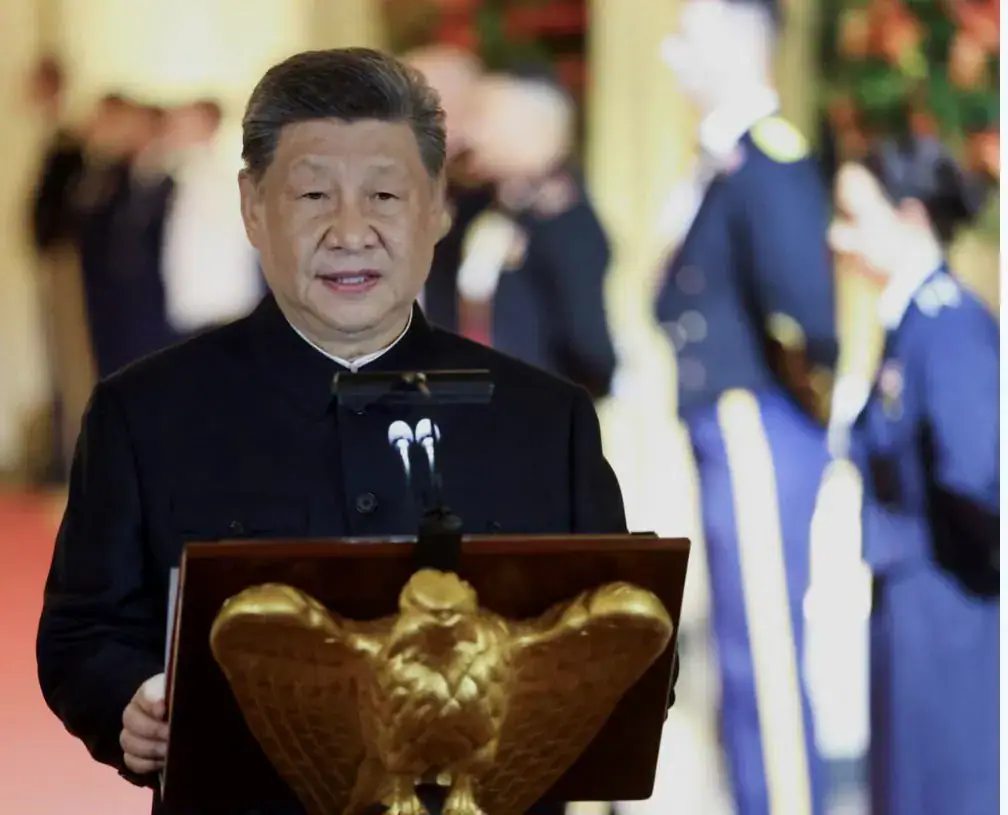
Chinese President Xi Jinping has called for greater economic cooperation and free trade among Asia-Pacific nations, at the APEC summit in Shenzhen. He emphasized the need for stable global supply chains and predictable commercial environments. Xi's remarks come as tensions between China and the US continue to escalate, particularly in high-tech sectors such as semiconductors and artificial intelligence.
The ongoing tensions between China and the US have significant implications for global trade. The two nations have imposed restrictions on exports and implemented measures to support domestic industries, intensifying competition between them. Key issues in the discussions between Xi and US President Donald Trump include trade relations, technological competition, and access to rare earth minerals.
China's push for stronger ties with other regional economies is also a significant development. Several countries are seeking to diversify their suppliers and reduce their dependence on the two major world powers. This shift could have far-reaching consequences for supply chains in industries such as electronics, automotive, energy, and telecommunications.
Businesses are facing considerable uncertainty regarding tariffs, export controls, and foreign investment regulations. Prolonged tensions could lead to increased production costs and a significant reorganization of global value chains. APEC member countries must balance the need to preserve growth and trade with concerns about economic security and technological sovereignty.
The APEC summit will also address pressing issues such as the energy transition, digital transformation, and supply chain resilience. The actual impact of Xi's statements will depend on the decisions made by the two governments in the coming months. Improved dialogue could ease market concerns, while increased trade restrictions could exacerbate divisions and weigh heavily on the global economy.
Xi Jinping's advocacy for free trade and cooperation reflects China's desire to promote a more stable and predictable international trade environment. The outcome of the US-China trade tensions will have significant implications for the global economy and the future of international trade.
The international community is closely watching the developments in US-China relations, as they have far-reaching consequences for global economic stability and growth. The APEC summit provides a platform for leaders to discuss pressing economic issues and work towards a more cooperative and stable international trade environment.
Key points
- China's President Xi Jinping calls for greater economic cooperation and free trade among Asia-Pacific nations at the APEC summit.