The World Wide Fund for Nature (WWF) has released its "Living Planet Report 2026", highlighting a drastic decline in wildlife populations across Africa. According to the report, Africa's wildlife populations have plummeted by an average of 80% over the past 50 years. This decline is part of a larger trend, with the global average at 73%. The report attributes this decline to various factors, including habitat loss, pollution, and disease.
The decline in wildlife populations is not unique to Africa. Latin America and the Caribbean have experienced the largest decline, with a 95% drop in wildlife populations. The Asia-Pacific region has seen a decline of 49%. These figures are based on the Living Planet Index, managed by the Zoological Society of London, which tracks changes in wildlife populations rather than the total number of animals lost. The index provides a comprehensive overview of the state of wildlife populations globally.
Africa's biodiversity levels were particularly high in the 1970s, which means the decline is more recent compared to regions like Europe that had already seen considerable losses before monitoring began. Yann Laurans, WWF France's director of conservation programmes, noted that the decline is continuing, stressing that the number of wild vertebrates is still decreasing. This trend is a cause for concern, as it highlights the need for urgent action to protect wildlife populations.
The report identifies the food and agricultural systems as the largest driver of biodiversity loss, causing habitat destruction and excessive resource extraction. Climate change, habitat loss, pollution, and disease are major threats to wildlife globally. The Congo Basin, the world's second-largest tropical rainforest, is under significant threat from agricultural expansion, logging, mining, and infrastructure development, all contributing to habitat fragmentation and exploitation.
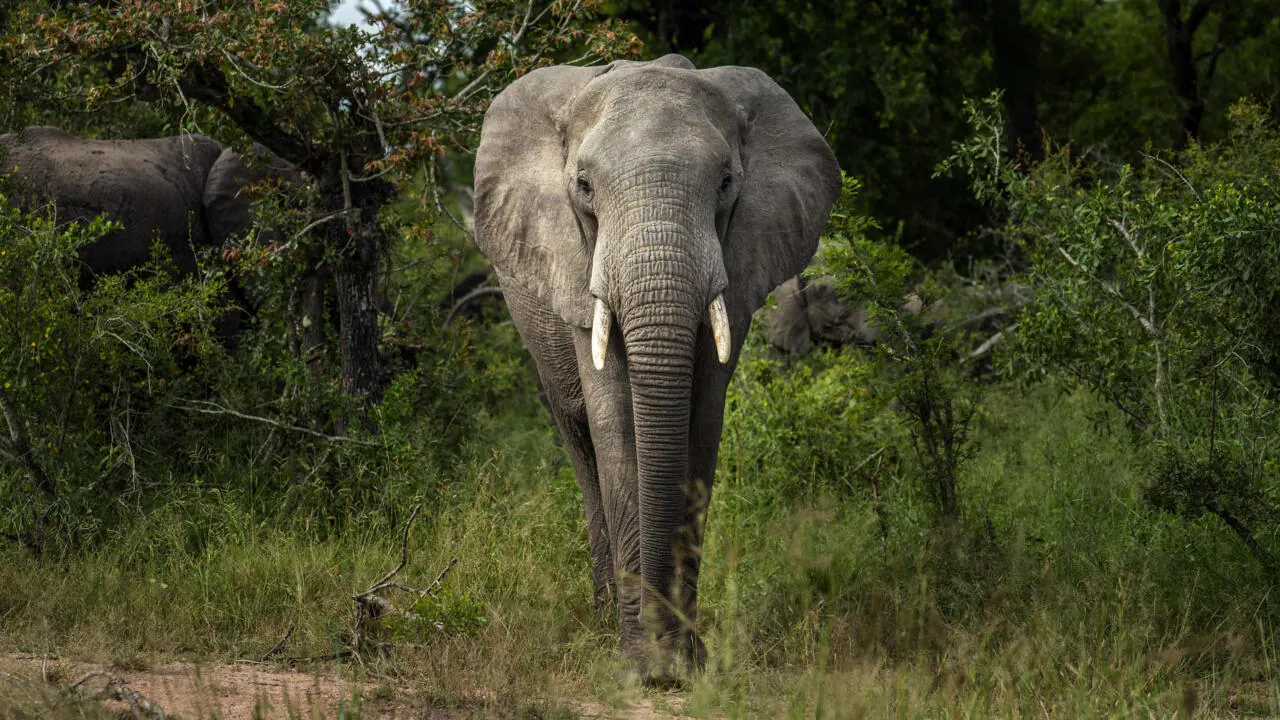
The decline in wildlife populations has severe consequences for ecosystems and human societies. Populations of African forest elephants have declined by over 60% mainly due to poaching and habitat destruction. This decline has a ripple effect throughout the ecosystem, leading to a loss of biodiversity and ecosystem resilience. The WWF is advocating for more investment to be directed towards conservation and restoration, noting the stark contrast between the $7.3 trillion spent on harmful activities and the mere $220 billion devoted to protecting nature in 2023.
Despite these challenges, the WWF remains optimistic. Approximately half of the global wildlife populations monitored are either stable or increasing. Laurans mentioned successful conservation efforts that have led to the recovery of species, including tigers and some gorilla populations in Africa. He emphasised the importance of sustained funding for conservation to achieve positive outcomes. The WWF is calling for governments and individuals to take action to protect wildlife populations and preserve biodiversity.
The report precedes the UN's Cop17 biodiversity conference in Armenia from 19-30 October, where governments will review progress towards commitments to halt nature loss. Durrel Halleson, WWF Africa's head of policy and partnerships, described the findings as a "stark warning" and a "call to action". The WWF is urging governments and individuals to take immediate action to address the decline in wildlife populations and protect the natural world.
Key points
- The decline in wildlife populations in Africa is part of a larger global trend, with the global average at 73%.
- The food and agricultural systems are the largest driver of biodiversity loss, causing habitat destruction and excessive resource extraction.
- The WWF is advocating for more investment to be directed towards conservation and restoration, noting the stark contrast between the $7.3 trillion spent on harmful activities and the mere $220 billion devoted to protecting nature in 2023.