World Vision has commended the Ghanaian government for fully funding the country's School Feeding Programme. However, the humanitarian organization believes that the real benefit will come when meals are prepared using food grown by local farmers, particularly women vegetable producers. This approach would not only provide nutritious meals but also create economic opportunities for local farmers. The programme's impact could extend beyond nutrition, influencing livelihoods, food security, and rural incomes.
The School Feeding Programme has been fully financed by the government, and World Vision sees this as an opportunity to link meals served in classrooms to food grown in surrounding communities. By sourcing food locally, the programme can help strengthen local food systems and provide a steady market for farmers' produce. This, in turn, could lead to fresher meals for schoolchildren, tied to what is seasonally available. The organization's proposal suggests a deeper change, one that could have far-reaching consequences for Ghana's rural communities.
World Vision's argument for local sourcing is based on the idea that it would keep money within Ghanaian communities. If schools purchase ingredients from local farmers rather than relying on imported or centrally sourced food, the economic benefits would be felt locally. This approach would be particularly beneficial for women, who dominate small-scale vegetable production. A predictable market for their produce could have a positive impact on their livelihoods.
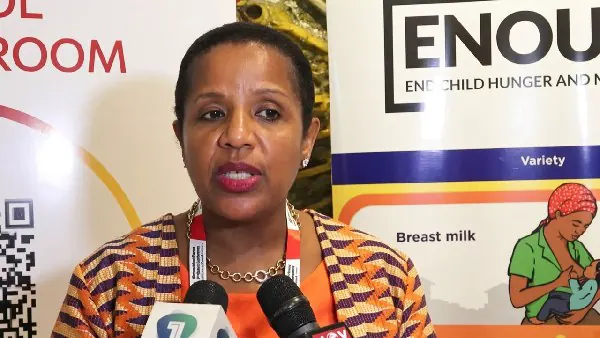
The 7th Micronutrient Forum Global Conference, held at the Kempinski Hotel in Accra, provided a platform for World Vision to express its views on the School Feeding Programme. The conference, themed "Nutrition at the Frontiers of a Changing Environment," brought together stakeholders working on nutrition policy and interventions. World Vision's comments were reported by Ghanaweb, a local news source.
Dan Irvine, World Vision International's Global Director of Health and Nutrition, spoke at the conference on September 28, 2026. He emphasized the need to prioritize preventing malnutrition rather than waiting to treat it after it occurs. Irvine argued that by the time a child becomes severely malnourished, the community has already failed to act in time. His remarks reflect the growing concern over child and family malnutrition in Ghana.
Ghana's School Feeding Programme was designed to provide nutritious meals to children in public basic schools while encouraging school attendance. The programme's impact could be enhanced if local sourcing becomes a policy priority. However, the sources do not specify a timeline for when, or whether, the government will formally adopt local sourcing as policy. The implementation and funding of such a shift also remain unclear.
The Micronutrient Forum Global Conference served as a gathering point for stakeholders working on nutrition policy and interventions. The event brought together international voices like World Vision alongside local conversations about how Ghana feeds and nourishes its children. While there is no indication of a government response to World Vision's call at the time of publication, the organization's comments have contributed to the ongoing discussion on Ghana's nutrition strategy.
Key points
- World Vision urges Ghana to source food for School Feeding Programme from local farmers.
- Local sourcing could create economic opportunities for farmers, particularly women vegetable producers.
- The programme's impact could extend beyond nutrition, influencing livelihoods, food security, and rural incomes.