The world of sports governance is facing intense scrutiny over allegations of selective enforcement and double standards. Despite espousing neutrality and integrity, top sports administrators have been accused of applying rules based on geopolitical considerations rather than consistent principles. This has led to criticism that the system is biased and corrupt, with some athletes and nations receiving preferential treatment.
Sebastian Coe, president of World Athletics, has been at the forefront of this controversy. While Coe has taken a hardline stance against Russian and Belarusian athletes, banning them from international competitions, he has not applied similar sanctions to Israeli athletes despite the ongoing conflict in Gaza. In fact, Coe has publicly expressed support for the Israeli athletics federation, sparking accusations of a double standard.
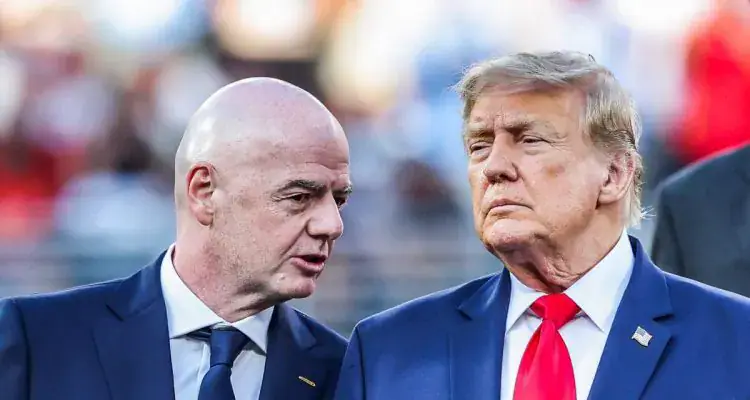
Coe's position is not isolated, and his influence extends beyond athletics. As a former British Conservative MP and current member of the House of Lords, he has significant connections at the highest levels of British politics. This has led to allegations that he is using his position to shield Israeli athletes from scrutiny. Meanwhile, other sports administrators, such as FIFA president Gianni Infantino, have also been accused of similar biases.
The issue is not limited to geopolitics; corruption and financial scandals have also plagued sports governing bodies. World Athletics has faced allegations of embezzlement and money laundering, with two high-ranking officials and a consultant accused of siphoning off €1.5 million. Coe's response to these allegations has been criticized as dismissive, suggesting that such incidents are common in business.
Critics argue that this selective enforcement and lack of accountability erode the credibility of sports institutions. When sanctions are applied unevenly and financial scandals are ignored, it undermines the integrity of the sport. The Olympic ideal of fair play and equality is compromised when geopolitics and self-interest dictate decision-making.
The consequences of this selective enforcement are far-reaching. Athletes and nations that feel unfairly treated may lose trust in the system, while those who receive preferential treatment may be seen as having an unfair advantage. This can lead to a breakdown in the sport's integrity and create divisions among athletes and nations.
As the sports world grapples with these issues, there is a growing demand for transparency, accountability, and consistency in governance. Sports administrators must address these concerns and work towards creating a fair and equitable system that upholds the principles of integrity and neutrality. Failure to do so may lead to a loss of credibility and trust in the sports institutions that govern our global games.
Key points
- World Athletics president Sebastian Coe has been accused of applying a double standard in his treatment of Russian and Israeli athletes.
- Sports governing bodies face criticism for selective enforcement and corruption, amid allegations of embezzlement and money laundering.
- The controversy has sparked a wider debate about the integrity and neutrality of sports institutions.
Reporting sources
- Le grand écart du sport mondial: Entre punitions exemplaires et impunité géopolitique · Le Jeune Indépendant