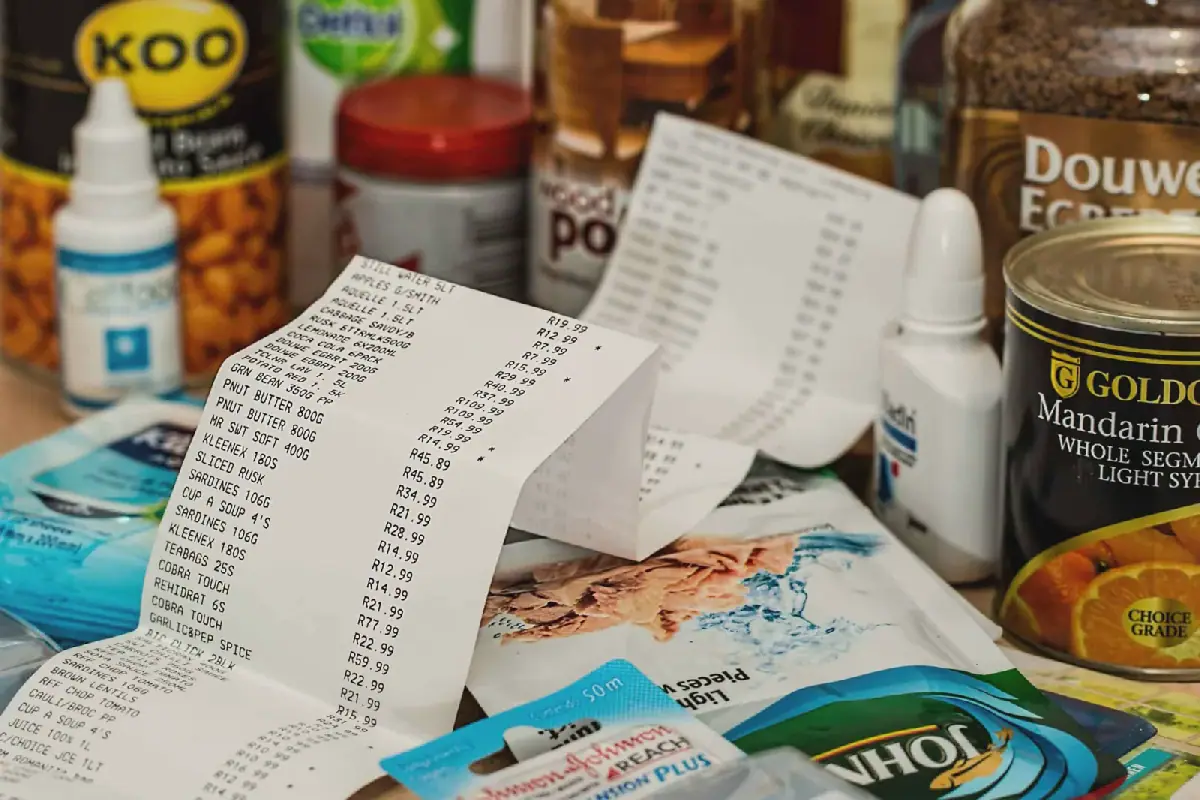
As World Savings Day approaches on October 31, SPAR is urging South African consumers to rethink their grocery shopping habits to make the most of their budgets. With many households struggling to make ends meet, the challenge is no longer just what to buy, but how to make the grocery budget last until the next payday. SPAR is promoting practical ways to get more value from everyday shopping, including choosing affordable ingredients, making the most of promotions, and reducing food waste.
According to the South African Reserve Bank's September 2026 Quarterly Bulletin, household debt stood at 61.3% of nominal disposable income in the second quarter of 2026, down from 62.2% in the first quarter. Despite a slight improvement in the debt ratio, financial pressures remain a reality for many households. Mpudi Maubane, SPAR Group PR, communications, and sponsorships, emphasized that thoughtful planning can make a difference in managing limited budgets without compromising on meal quality and variety.
Maubane noted that many South African families are making difficult choices about how to stretch their money every month. Grocery shopping is one area where planning can make a difference. It is not about buying less food, but about finding ways to get better value, reduce waste, and make the food you buy go further. SPAR is encouraging consumers to plan meals before shopping, decide on versatile ingredients that can be used across several meals, and make a shopping list based on the meal plan and household essentials.
To make everyday grocery shopping more efficient, SPAR recommends checking its specials and comparing value, avoiding buying more than you need simply because an item is discounted, and making the most of what you already have at home. Using ingredients already at home can prevent duplicate purchases and help you make better use of your existing food. Additionally, reducing food waste by storing food correctly, using older ingredients first, and turning suitable leftovers into another meal can help households save money.
Statistics South Africa has highlighted the scale of the country's food waste challenge, reporting that approximately 10 million tonnes of food are wasted annually, equivalent to about one-third of South Africa's annual food production. Reducing household food waste is not only a way for consumers to save money but also a practical step towards using food resources more responsibly. By adopting simple strategies, households can make a positive impact on their budgets and the environment.
The benefits of more intentional grocery shopping can extend beyond the kitchen. Money not spent on unnecessary purchases or food that goes unused can be redirected towards other household priorities, such as school expenses, transport, electricity, or building a small emergency savings fund. Creating a monthly budget that accounts for essentials and reviewing recurring subscriptions can help households plan more effectively and achieve their financial goals.
Maubane emphasized that at SPAR, value means different things to different households. The focus is on helping customers make informed choices that work for their families and their budgets. This World Savings Day, the message is simple: savings do not always start with putting money aside. Sometimes, it starts with making better use of what is already in your shopping trolley and your kitchen.
Key points
- SPAR encourages consumers to adopt practical strategies to maximize value from everyday shopping.
- Household debt in South Africa stood at 61.3% of nominal disposable income in the second quarter of 2026.
- Approximately 10 million tonnes of food are wasted annually in South Africa, equivalent to about one-third of the country's annual food production.