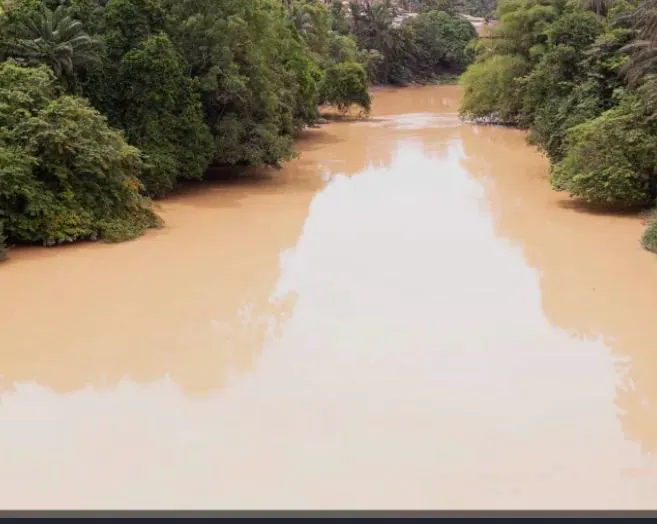
Residents in Berekum, Bono Region, Ghana, are calling on the government to take stronger measures against galamsey and illegal logging. This call comes as the world marks World Rivers Day, an event that highlights the importance of rivers and the need for sustainable management. The residents express concern over the destruction of water bodies due to illegal mining and logging activities. They mention several rivers in the region, including the Tano and Ankobra, which are facing increasing pressure from these activities.
The destruction of water bodies is not limited to the Bono Region, but is a growing concern across several parts of Ghana. The residents note that some of these rivers once served as important sources of water for agricultural activities, supporting farmers who depended on them for irrigation and other farming needs. However, the continued destruction and pollution of these water bodies could have serious consequences for food production and food security. Farmers may lose reliable sources of water for agricultural activities, potentially leading to shortages of food commodities and higher food prices.
The residents also express concern about the environmental consequences of illegal mining and logging. The destruction of vegetation along riverbanks leaves water bodies exposed to direct sunlight, contributing to the degradation of river ecosystems. This can undermine the ability of water bodies to remain healthy and sustainable. The removal of trees and other vegetation along riverbanks also increases the exposure of water bodies to heat.
The residents note that some of these rivers and water bodies were once used as practical examples in lessons for schoolchildren, helping them understand the importance of rivers and natural resources. However, some of these water bodies have been so degraded that they are almost ceasing to exist, depriving future generations of both natural resources and important educational landmarks.
The residents are calling for stringent measures to reverse the trend of destruction and pollution of water bodies. They want the government to strengthen enforcement against illegal mining and illegal logging, particularly within protected areas and along riverbanks. Tougher sanctions against individuals and companies found destroying water bodies are also being urged.
The residents further want the government to establish and enforce wider buffer zones along rivers, undertake large-scale restoration and reforestation of degraded riverbanks, and support affected communities to adopt sustainable livelihoods. They believe that protecting the country's rivers is not only about preserving the environment but also safeguarding agriculture, food security, livelihoods, and the wellbeing of future generations.
The residents stress that the fight against galamsey and illegal logging must involve traditional authorities, local communities, security agencies, environmental regulators, and the agricultural sector. They are urging the government to treat the protection of water bodies as an urgent national priority before more rivers are permanently lost.
Key points
- The residents are calling for stronger measures against galamsey and illegal logging to protect Ghana's rivers and water bodies.
- The destruction of water bodies due to illegal mining and logging activities is a growing concern across several parts of Ghana.
- The residents want the government to establish and enforce wider buffer zones along rivers and undertake large-scale restoration and reforestation of degraded riverbanks.