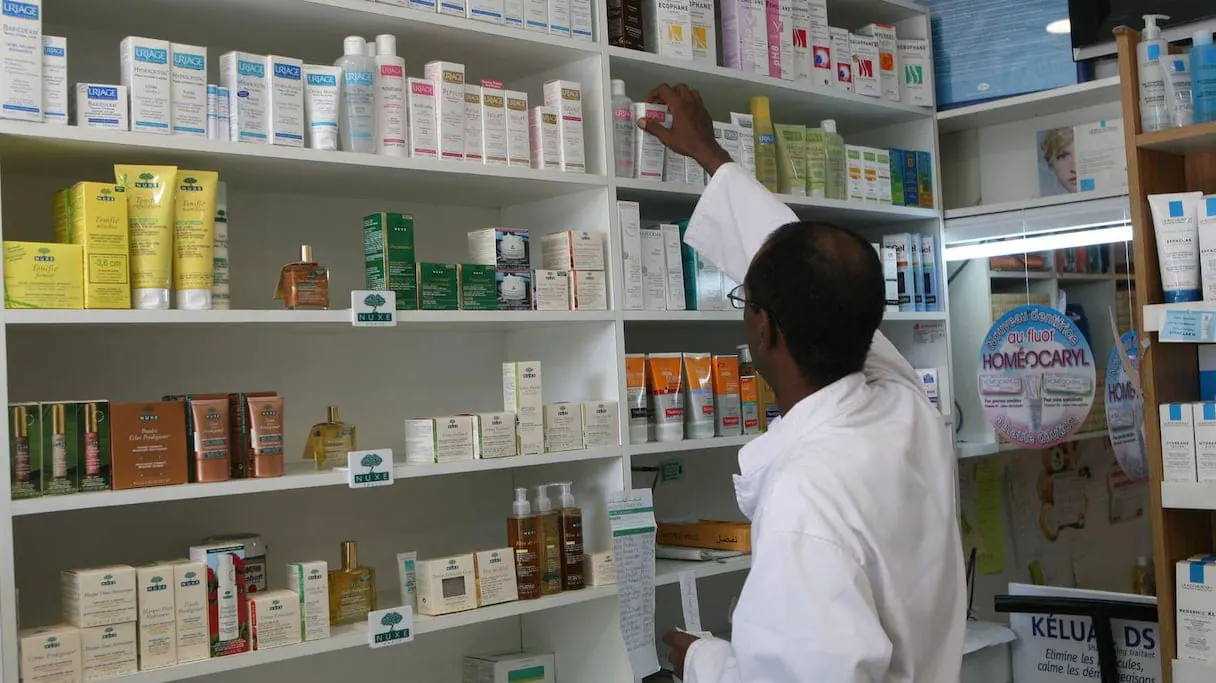
The world celebrates World Pharmacists Day on September 25, honoring the essential role of pharmacists in the healthcare system. In Chad, however, access to medicines remains a significant challenge. Despite pharmacists' critical role in ensuring the quality and safety of medicines, many patients struggle to afford the treatments they need. The issue is further complicated by inconsistent pricing and inadequate storage conditions in some pharmacies.
In N'Djamena and other cities across Chad, patients have expressed concerns about the lack of harmonization in medicine pricing. The same product can be sold at significantly different prices in various pharmacies, with no clear guidelines governing these disparities. This has resulted in many families struggling to afford the medicines they need. For instance, Mariam Abdelkader, a mother of a family suffering from hypertension, is worried about the cost of treatments to stabilize her blood pressure.
The quality of medicine storage is another pressing concern in Chad. Some pharmacies lack the necessary infrastructure, including cold chain facilities or suitable storage conditions, to ensure the efficacy of medicines until they are dispensed to patients. This can compromise the effectiveness of treatments and put patients' lives at risk. Mbaïarim Barthélémy, a Chadian citizen, believes that the high cost of medicines forces some people to seek treatment from informal practitioners.
Dr. Gassisou Danamou, a general practitioner, advocates for government intervention to regulate medicine prices and ensure universal access to healthcare. He also recommends that the government strengthen its own pharmacies in public hospitals, as patients are often forced to seek medicines outside healthcare facilities. Dr. Danamou urges private pharmacy owners to fulfill their social responsibility and prioritize the health of the population.
The high cost of medicines has significant consequences for the healthcare system in Chad. Many patients are forced to seek treatment from informal practitioners, which can lead to substandard care and worsen health outcomes. The situation is further complicated by the lack of regulation and oversight in the pharmaceutical sector. As a result, patients are often left to bear the burden of expensive medicines.
On World Pharmacists Day, the focus is on the critical role that pharmacists play in ensuring the quality and safety of medicines. However, in Chad, the challenges facing the pharmaceutical sector go beyond the skills and expertise of pharmacists. The government and private sector must work together to address the systemic issues that prevent patients from accessing affordable medicines.
Ultimately, the issue of access to medicines in Chad requires a comprehensive solution that addresses the root causes of the problem. This includes regulating medicine prices, improving storage conditions, and strengthening the healthcare system. By working together, stakeholders can ensure that patients in Chad have access to the medicines they need to stay healthy.
Key points
- The high cost of medicines in Chad forces many patients to seek treatment from informal practitioners.
- Inconsistent pricing and inadequate storage conditions are significant challenges in Chad's pharmaceutical sector.
- Dr. Gassisou Danamou advocates for government intervention to regulate medicine prices and ensure universal access to healthcare.