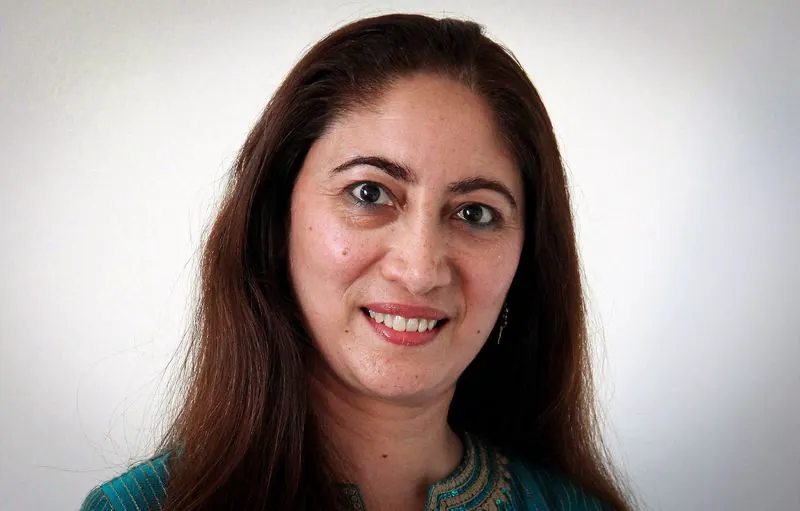
As the world observes World Heart Day, South Africa is grappling with a growing crisis of high blood pressure and diabetes, which are taking a massive toll on the health of its population. Dr. Nasheeta Peer, Chief Specialist Scientist at the South African Medical Research Council, has spent 22 years studying public health issues, including diabetes, hypertension, and obesity. She believes that a multi-faceted approach is needed to tackle these issues.
Dr. Peer's research has shown that some risk factors for hypertension, such as family history, cannot be changed, but many can be modified. The National Strategic Plan on Non-Communicable Diseases (2022-2027) identifies reducing tobacco use, unhealthy diet, physical inactivity, and air pollution as crucial steps in reducing non-communicable diseases. Peer emphasizes that engagement from beyond the healthcare sector is necessary to address social and commercial determinants of health.
Commercial determinants of health, including private sector activities, can affect people's health positively or negatively. Peer has written about the role of multinational corporations in undermining population health. She argues that public measures are needed to enable individuals to make healthier choices. The South African government has acknowledged the need to address rising cardiovascular disease risk factors, but translating policies into effective programs remains a challenge.
Civil society and stakeholders must hold the government accountable and ensure awareness and screening for hypertension and diabetes. Peer also advocates for strengthened and enforced tobacco legislation, as well as a ban on alcohol advertising, which she believes promotes a false narrative about the benefits of alcohol consumption. Her research has shown a clear link between poor mental health and problem drinking.
A recent study found that fewer than 10% of hypertensive men and only 13% of women in South Africa are aware of their condition. Among those treated, just 14-21% achieve adequate blood pressure control. While levels of detection, treatment, and control of hypertension have improved between 1998 and 2016, these levels remain suboptimal. Peer stresses that a population approach is needed to tackle diabetes and hypertension.
To address these issues, Peer recommends measures to improve awareness and knowledge of diabetes and hypertension, as well as easier access to screening and treatment. She also advocates for policies that make healthier eating and physical activity an easy choice, beyond the healthcare sector. Concerted efforts are needed to change cultural attitudes to diets, physical activity, tobacco smoking, and binge drinking.
Ultimately, Peer believes that patients must be at the center of their own healthcare, with support from healthcare providers, families, and communities. Knowledge and advice must be given in a culturally relevant way, taking into account complex socio-cultural determinants of obesity. By working together, South Africa can make progress in reducing the burden of hypertension and diabetes.
Key points
- Dr. Nasheeta Peer advocates for a multi-faceted approach to tackle hypertension and diabetes in South Africa, including awareness, lifestyle changes, and policy reforms.