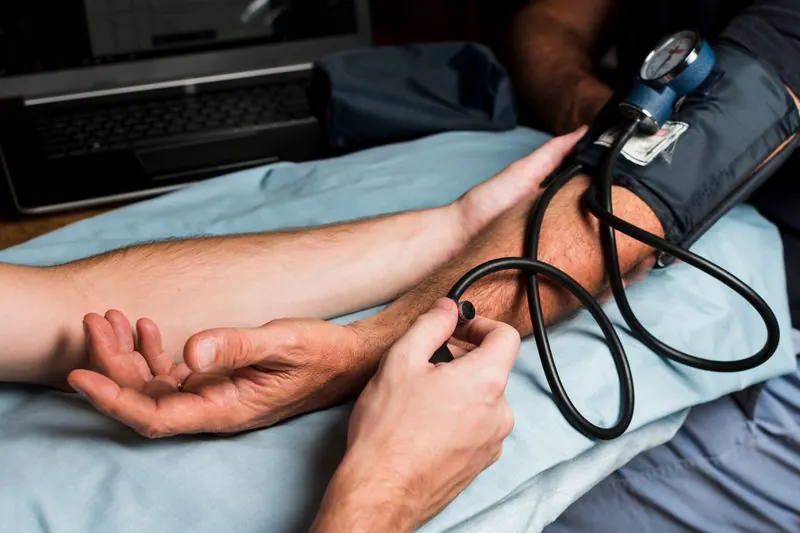
Cardiovascular disease claims 18 million lives globally each year, accounting for one in three deaths. In South Africa, an estimated 225 individuals die from cardiovascular disease daily. Hypertension is a key risk driver of cardiovascular disease, with raised blood pressure estimated to cause 10 million deaths worldwide annually. The World Health Organization reports that out of 1.4 billion adults diagnosed with hypertension, about 80% do not have it under control.
In sub-Saharan Africa, males over 25 years have a prevalence of hypertension of between 48% and 55.5%, while females in this age group have a prevalence of between 43% and 50%. Data from the Heart and Stroke Foundation South Africa reveals that in a health risk assessment of 4,510 participants, 1,570 were found to have elevated blood pressure, meaning at least a third of participants are already at risk for developing cardiovascular disease.
The urgency of improving detection and management is clear, with nearly one in three adults in South Africa living with hypertension, yet about 50% of South Africans remain undiagnosed. Medical research clinicians in South Africa are striving to provide guidelines for the diagnosis of hypertension to enable consistent treatment modalities across the country. The national Department of Health’s Non-Communicable Diseases Strategy 2022-2027 emphasises reducing hypertension as a risk factor for cardiovascular disease through screening and behavioural modification.
Hypertension is driven by genetics to a lesser extent, and behavioural choices to a greater extent. Obesity, high salt intake, physical inactivity, tobacco use and vaping, excessive alcohol use, and diets low in fruits, vegetables and whole grains increase both the likelihood of developing hypertension and the risk of complications such as stroke, heart attack, and kidney disease.
The Heart and Stroke Foundation South Africa has been committed to community-based screening for over four decades, linking individuals with elevated blood pressure to the healthcare system through a referral linkage to care pathway. The foundation also uses the International Society of Hypertension, the SA Hypertension Society, the World Health Organization, and South Africa’s national Department of Health diagnostic guidelines.
A strong pillar of work implemented by the Heart and Stroke Foundation South Africa is in nutrition, with the well-recognised Heart Mark Endorsement Programme. This food endorsement programme is vital to the reduction of salt intake, as products that meet the criteria have low sodium ingredients. Analysis of Heart and Stroke Foundation South Africa data found 70% of individuals with a high-risk for developing cardiovascular disease had a self-reported normal salt intake.
Evidence-based strategies need to be considered and implemented to address the high rate of undiagnosed and uncontrolled hypertension in South Africa and globally. This requires a combination of efforts, including mass education campaigns encouraging population-level uptake of screening for blood pressure, and closer coordinated efforts between relevant stakeholders in the private and public sectors.
Key points
- One in three South Africans live with high blood pressure, yet about 50% of people remain undiagnosed.
- Cardiovascular disease claims 18 million lives globally each year, accounting for one in three deaths.
- The Heart and Stroke Foundation South Africa has been committed to community-based screening for over four decades.