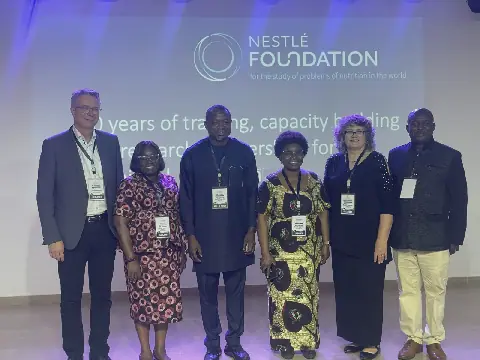
Professor Karen Sliwa-Hahnle, a renowned cardiologist, has dedicated 34 years to public healthcare in South Africa. Born in Germany, she moved to South Africa in 1992 and has since become a leading expert in cardiovascular health. With 872 publications in the field, she is the most prolific on the continent. As a professor of cardiology at Groote Schuur Hospital and Director of the Cape Heart Institute, her areas of expertise include heart failure, structural heart diseases, and cardiac disease in pregnancy.
Sliwa-Hahnle's work has led to significant contributions, including the development of a medical therapy for heart disease in pregnancy. Her research on bromocriptine, a medication for peripartum cardiomyopathy, has saved countless lives and earned her the Order of Mapungubwe, South Africa's highest civilian honor, in May 2026. Her commitment to mentoring is evident in her supervision of 38 master's and PhD students. Her focus, however, remains on patients in the public sector, whom she encourages and supports throughout their treatment.
A recent Lancet study co-authored by Sliwa-Hahnle examined heart failure in 17 African countries. The findings revealed that Africans present with heart failure 10 to 20 years younger than their global counterparts, with one in five patients dying within six months of diagnosis. Untreated high blood pressure and historical disease were identified as significant factors. The study also highlighted the effectiveness of a new drug, SGLT2 inhibitor, in saving lives. Despite this, Sliwa-Hahnle notes that patients are still dying on good medical treatment, emphasizing the need for awareness and preventive measures.
Sliwa-Hahnle stresses that heart failure is often not recognized, with symptoms mistaken for other conditions like asthma or tuberculosis. She attributes this to a lack of awareness, particularly among young people. Untreated high blood pressure can lead to severe consequences, including heart failure, by the age of 50. She advises regular blood pressure checks, healthy cooking, and reduced salt intake. While acknowledging the challenges, she notes the positive trend of increased physical activity among South Africans.
A study at a Soweto clinic highlighted the importance of awareness and early detection. A 42-year-old man with hypertension was misdiagnosed multiple times, with no blood pressure checks performed. Sliwa-Hahnle emphasizes that black people are sensitive to high salt content in food, which is now prevalent in many diets. This, combined with limited access to healthcare, contributes to the high rates of hypertension and heart disease.
In South Africa, diabetes now surpasses HIV and tuberculosis as a leading cause of death, with hypertension as the second biggest killer. Strokes and heart disease are also among the top 10 causes. Sliwa-Hahnle believes that while there is a significant burden, it can be managed and prevented with better awareness and primary healthcare. She emphasizes the human component, including patients who are unaware of their condition and healthcare workers who may not prioritize hypertensive heart disease.
Sliwa-Hahnle's approach to patient care extends beyond medical treatment. She considers the impact of heart failure on the entire family, including the financial burden of home-based care and hospital visits. By making patients aware of these consequences, she encourages adherence to treatment. Her goal is prevention, emphasizing that it is always better than dealing with the aftermath of a heart attack or stroke.
Key points
- Professor Karen Sliwa-Hahnle's work focuses on awareness and preventive measures for hypertension and heart disease in Africa.
- A Lancet study revealed that Africans present with heart failure 10 to 20 years younger than their global counterparts.
- Sliwa-Hahnle advises regular blood pressure checks, healthy cooking, and reduced salt intake to prevent heart disease.