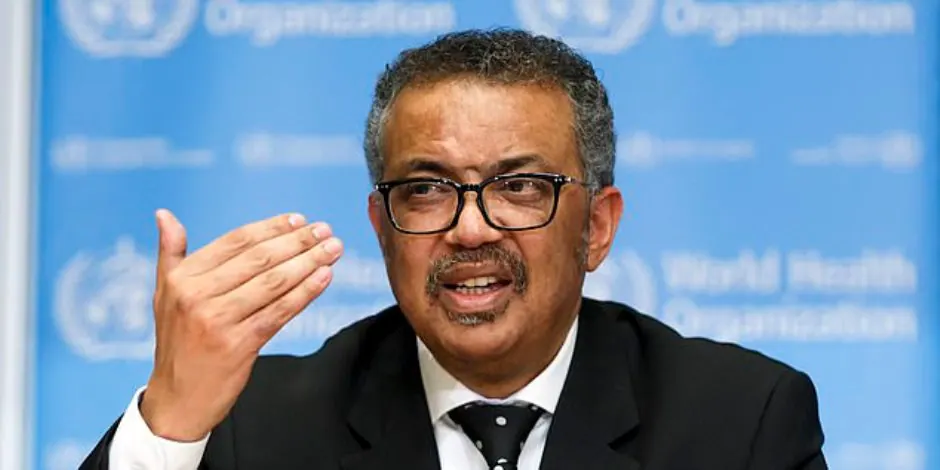
The World Health Organization (WHO) has issued a warning that the world is still not adequately prepared to face future pandemics, emphasizing that the emergence of a new pandemic is a matter of time, not just a possibility. WHO Director-General, Dr. Tedros Adhanom Ghebreyesus, stated that while progress has been made since the COVID-19 pandemic, significant gaps in preparedness and response remain. He stressed the need to strengthen surveillance systems, laboratories, early warning mechanisms, infection prevention, and protection for healthcare workers.
Dr. Tedros highlighted that pandemic threats are not limited to a specific type of virus, with health experts citing influenza as a potential source of risk due to its continuous mutation and the emergence of new strains. Other viruses, such as Ebola, remain a concern due to their potential for cross-border transmission. The WHO Director-General also expressed concern over the decline in investments in health security, noting that global military spending reached $2.7 trillion in 2025, while investments in health security remain limited. He called for a balance between defense spending and investment in pandemic preparedness.
The WHO emphasized the importance of building more resilient health systems and ensuring equitable access to vaccines, diagnostics, and treatments. The organization stressed the need to expand research and production to provide affordable health products within the first 100 days of a new pandemic threat. Helen Clark, former Prime Minister of New Zealand and co-chair of the Independent Panel for Pandemic Preparedness and Response, stated that countries can work together to make the COVID-19 pandemic the last of its kind.
Clark emphasized the need for reliable and sustainable financing to address outbreaks before they become crises, rather than seeking funding after a threat has turned into an emergency. She noted that the world remains far from achieving the $15 billion annual investment needed to close the pandemic preparedness gap. Clark also highlighted the importance of completing negotiations on the Pandemic Agreement's pathogen access and benefit-sharing annex.
The WHO reported that the COVID-19 pandemic was associated with over 20 million excess deaths between 2020 and 2023 and caused global economic losses exceeding $10 trillion. Dr. Tedros presented these figures during his address to the United Nations General Assembly. The organization continues to stress the importance of pandemic preparedness and response.
The WHO's warning comes as the world continues to navigate the ongoing impacts of the COVID-19 pandemic. The organization's efforts focus on strengthening global health systems and promoting cooperation to address future pandemic threats. Dr. Tedros and Clark's statements emphasize the urgent need for collective action to prevent and respond to pandemics.
The WHO's call for action aims to ensure that the world is better equipped to face future pandemics. By working together to address the gaps in preparedness and response, countries can reduce the risks associated with pandemic threats and protect global health security. The organization will continue to play a critical role in promoting pandemic preparedness and response efforts.
Key points
- WHO warns of impending pandemic, calls for enhanced preparedness and response
- Global investments in health security are limited, while military spending continues to rise
- WHO and global leaders stress need for collective action to prevent and respond to pandemics