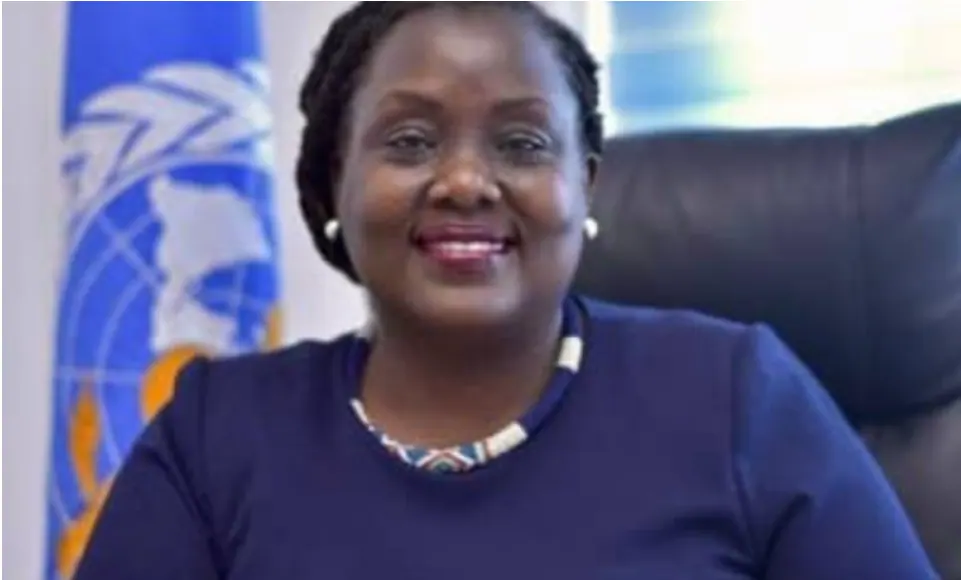
The World Health Organization has commended the Ghana Medical Trust Fund for its significant progress during its first year, describing the initiative as a crucial step towards reducing financial hardship for Ghanaians living with chronic and high-cost diseases. Dr. Fiona Braka, WHO Country Representative to Ghana, congratulated the government, leadership of the Fund, and the people of Ghana on the initiative's success. The Fund has brought renewed hope to vulnerable citizens who previously struggled to afford treatment.
Dr. Braka acknowledged President John Dramani Mahama for the vision behind the Fund, stating that it was making a difference by helping patients access treatment without being overwhelmed by costs. The Fund complements other government health initiatives, including the Free Primary Healthcare Initiative and the National Health Insurance Scheme. These interventions aim to provide Ghanaians with access to healthcare at different levels, ensuring everyone accesses services regardless of location and condition.
The establishment of the Fund has brought hope to vulnerable citizens struggling with chronic and high-cost conditions such as cancer, diabetes, and cardiovascular diseases. Dr. Braka noted that the Fund was not only supporting patients directly but also investing in the broader health system through infrastructure development, medical equipment, and health professional training. This comprehensive approach aims to strengthen specialist healthcare by providing adequately trained doctors, nurses, and health professionals.
Dr. Braka highlighted an emerging pathway linking Ghana's healthcare reforms, where patients receive free primary healthcare, benefit from the National Health Insurance Scheme at the next level, and access specialized care through the Mahama CARES initiative, including the Ghana Medical Trust Fund. This model allows patients to move seamlessly between different levels of care depending on their medical needs. The cardiac centre at the Korle Bu Teaching Hospital is an example of the Fund's emerging impact.
Looking ahead, Dr. Braka urged stakeholders to focus on establishing sustainable financing arrangements for the Fund to maintain its gains beyond the first year. She called for institutionalized funding arrangements, including protected budget lines, to provide predictable and sustainable financing. The WHO representative also emphasized the need to expand the Fund's coverage to bring more patients into the financing mechanism and extend support beyond initially prioritized diseases.
Dr. Braka expressed hope that Ghana's experience with the Fund could provide lessons for other countries seeking innovative ways to advance universal health coverage. Effective implementation, transparent data, and evidence demonstrating the Fund's impact will be crucial in showing whether the financing mechanism is reaching an increasing number of people and reducing financial hardship. Ghana's experience could demonstrate to the African region and the wider world how innovative financing mechanisms can help close gaps in healthcare financing.
The WHO representative reaffirmed the organization's commitment to supporting the initiative, having been involved from its inception and working with the government to translate its vision into tangible benefits for Ghanaians. Dr. Braka congratulated the Government of Ghana on the one-year milestone, adding that WHO remained a committed partner in efforts to make the Fund sustainable and beneficial to more citizens. The organization's support aims to ensure the Fund's long-term success and impact on Ghana's healthcare system.
Key points
- The World Health Organization commends the Ghana Medical Trust Fund for its progress and urges sustainable financing arrangements.
- The Fund has brought renewed hope to vulnerable citizens struggling with chronic and high-cost conditions.
- Ghana's experience with the Fund could provide lessons for other countries seeking innovative ways to advance universal health coverage.