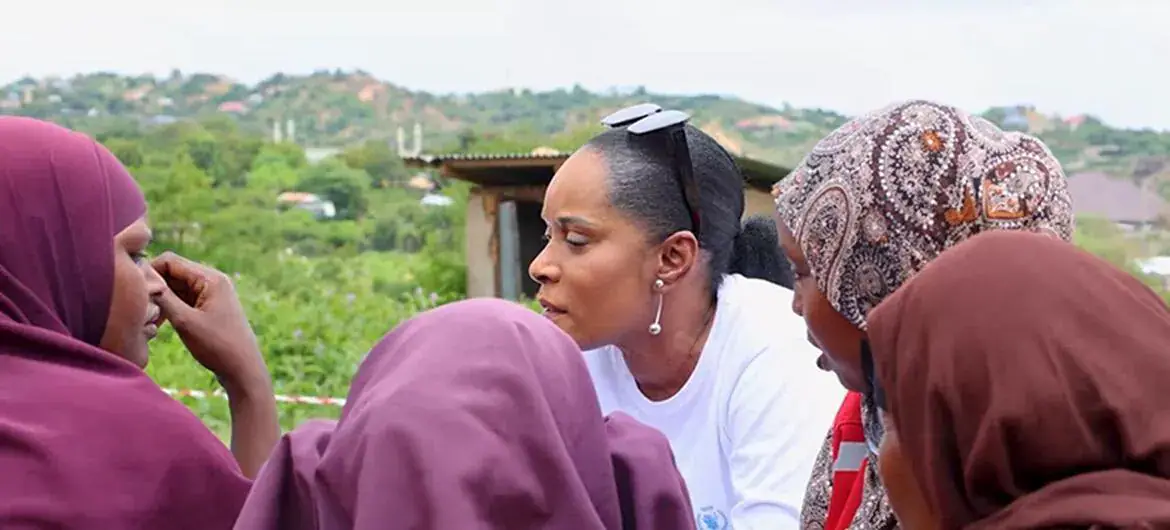
Roughly 30,000 people have crossed the border from Ethiopia into Kenya following inter-communal clashes last month. They are currently staying with relatives, host families, or in schools and communal centres. Many have left behind their homes, livelihoods, and everything they know, seeking safety. The crisis erupted on October 22 on the Ethiopian side, which is shared by two states, Oromia and the Somali region.
The root cause of the clashes between rival forces are long-standing local disputes related to land ownership, governance, ethnic differences, and political disagreements. A 37-year-old man, Alexander, is among those displaced. He witnessed people being killed, including his own sister, and said he cannot go back to Ethiopia. He wants to go to Nairobi, not stay in Kenya, as there is no work for him there.
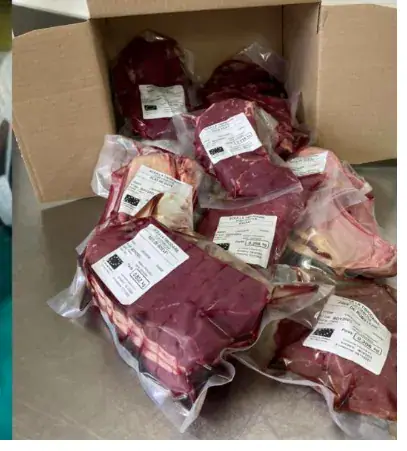
The World Food Programme (WFP) began providing emergency food assistance to the arrivals on November 11, working with the Kenyan Government, the Kenya Red Cross Society, and other humanitarian partners. Families staying with host communities are receiving dry food rations of sorghum, yellow split peas, and vegetables. Food supplies are also being distributed to provide hot meals for those sheltering in communal centres.
According to Betty Ka, WFP Country Director in Kenya, "For families who have already lost so much, hunger should not be a concern. At a time of such uncertainty, access to food is more than an immediate need. It is a source of stability, dignity, and hope." The WFP mobilised internal resources for the initial response and stressed that additional funding will be needed if displacement continues or humanitarian needs increase.
The town of Moyale, located in Marsabit county, straddles the border between southern Ethiopia and northern Kenya. Many displaced people have arrived with little more than what they could carry. Alexander, the 37-year-old displaced man, arrived by vehicle with his wife and three-month-old baby. He said his youngest child is just an infant.
The WFP is working to deliver stability, dignity, and hope to the displaced families. The organisation is providing food assistance to those in need, and its efforts are being supported by the Kenyan Government and other humanitarian partners. The crisis has left many people without access to basic necessities, and the WFP's assistance is crucial in helping them recover.
The situation in Ethiopia and Kenya remains uncertain, and the WFP is urging for additional funding to support its efforts. The organisation is working to ensure that hunger is not a concern for the displaced families, and its assistance will continue as long as needed.
Key points
- The World Food Programme has provided emergency food assistance to 30,000 people who crossed into Kenya from Ethiopia following inter-communal clashes.