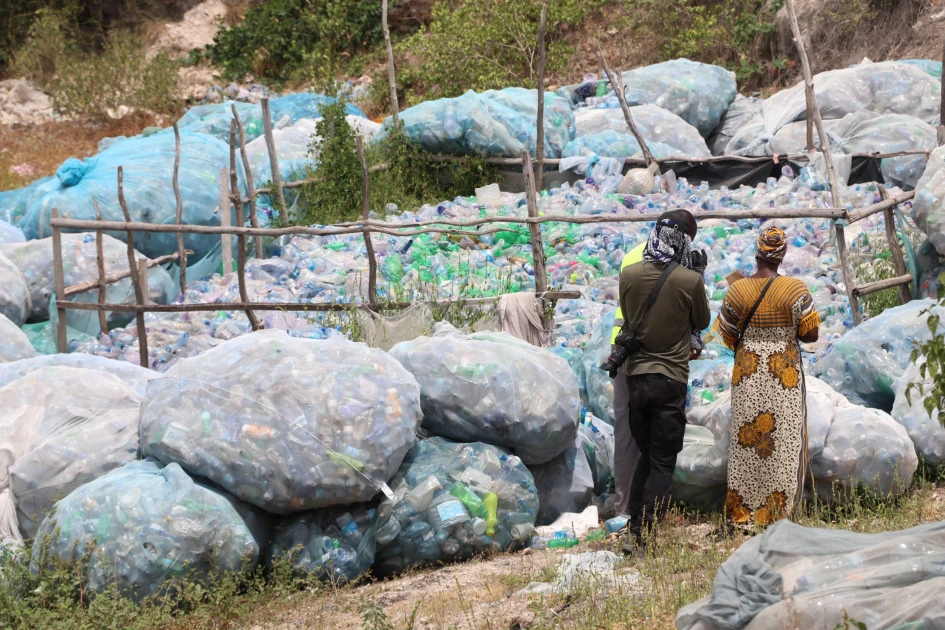
Today, the world marks World Cleanup Day 2026 under the theme "From Clean Plates to Clean Cities." The theme draws attention to food waste as one of the world's largest and most preventable waste streams. In Kenya, the day serves as a reminder of the importance of taking responsibility for environmental cleanliness. The Constitution of Kenya 2010 provides that every Kenyan has a right to a clean and healthy environment, but also assigns responsibilities to citizens, businesses, and the government.
Article 42 of the Constitution of Kenya links the right to protect the environment for present and future generations, and to the fulfilment of environmental obligations. Article 69(2) states that every person has a duty to cooperate with State organs and other persons to protect and conserve the environment and ensure ecologically sustainable development and use of natural resources. This provision emphasizes that environmental protection is not exclusively a government function, but a constitutional duty for every person.
Despite this, Kenyans continue to exhibit poor environmental behaviour, such as throwing plastic bottles or other waste from cars, dumping household waste in open spaces, and discharging wastewater and sewerage into storm drains. These actions undermine the constitutional responsibility that Kenyans gave themselves in 2010. The World Wildlife Fund (WWF-Kenya) has been working with the government to actualize these constitutional provisions through financial and technical support.
The Sustainable Waste Management Act, 2022, and the Sustainable Waste Management (Extended Producer Responsibility) Regulations, 2024, have been formulated to take this responsibility beyond a moral appeal. Section 12 of the Act requires public and private sector entities to segregate non-hazardous waste into organic and non-organic fractions and provide appropriately labelled and colour-coded receptacles for this purpose. The principle is that the person who generates waste has a responsibility for how that waste is managed.
The responsibility for environmental cleanliness lies not only with individuals but also with households, communities, businesses, and the government. Communities should maintain clean surroundings, organize local waste management, protect drainage systems and water sources, and work with county authorities and licensed waste service providers. Businesses and industries must address the waste generated by their operations and incorporate this into their sustainability reporting.
The government also has a crucial role to play in ensuring environmental cleanliness. County governments are responsible for county health services, including refuse removal, refuse dumps, and solid waste disposal. The Sustainable Waste Management Act reinforces this responsibility and requires counties to establish infrastructure for source segregation, collection, reuse, and materials recovery. Citizens have a responsibility to dispose of waste properly, but counties have an equally important responsibility to provide functional systems for them to do so.
Ultimately, the responsibility for environmental cleanliness must be reciprocal. Citizens cannot demand clean cities while continuing to litter and illegally dump waste, just as counties cannot demand responsible waste behaviour from residents while failing to provide adequate collection, recovery, and disposal infrastructure. The national government also has important environmental responsibilities, including ensuring sustainable management and conservation of the environment and protecting biodiversity.
Key points
- The Constitution of Kenya 2010 assigns responsibilities to citizens, businesses, and the government to protect the environment.
- The Sustainable Waste Management Act, 2022, and its attendant regulations require public and private sector entities to segregate non-hazardous waste and take responsibility for waste management.
- Environmental cleanliness requires a reciprocal responsibility between citizens, businesses, and the government.