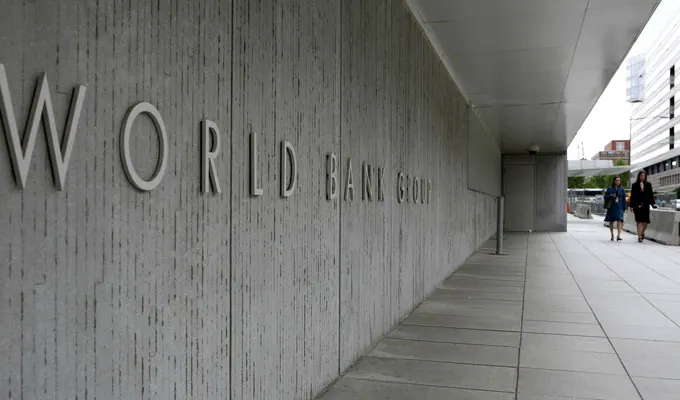
The World Bank's latest economic report, released on September 22, 2026, presents a mixed picture of Tunisia's economy, with both positive and negative trends. After growing by 2.7% in 2025, the country's GDP increased by 2.4% in the first half of 2026, driven by a recovery in agriculture, resilience in mechanical and electrical industries, and a strong tourism sector.
However, several sectors, including hydrocarbons, textiles, and construction, continue to face difficulties, while rising energy prices are putting additional pressure on the economy. The World Bank forecasts a growth rate of 2.3% for 2026, followed by a limited increase of 2.1% in 2027 and 2028, in the absence of structural reforms.
On the social front, the rise in food prices is affecting purchasing power, while the water crisis is becoming increasingly worrying. The consumption of bottled water has reached a record level, and shortages are also impacting businesses, particularly in industry, agri-food, and tourism.
The labor market remains fragile, despite a decrease in the unemployment rate to 14.9%, with 58,000 jobs lost in the second quarter. The report emphasizes the urgent need to address the water crisis, with Tunisia facing extreme water stress, having only 380 cubic meters of renewable freshwater per inhabitant per year.
If no ambitious measures are taken, the water deficit could reduce the country's GDP by 6.4% by 2050 and lead to a significant contraction in agricultural employment. The implementation of the Water Plan 2050, reform of the Water Code, and management of the state's financing needs appear to be major priorities as Tunisia prepares for the 2027 Finance Law.
The World Bank's report highlights the need for Tunisia to address its structural fragilities to achieve sustainable economic growth. The country's economic prospects depend on its ability to implement reforms and address pressing challenges such as water scarcity and unemployment.
The Tunisian government will need to take concrete actions to address these challenges and ensure a more sustainable economic future. The country's economic growth and social stability depend on its ability to manage its resources effectively and implement necessary reforms.
Key points
- Tunisia's economic growth is expected to remain slow, with a forecast of 2.3% for 2026, due to ongoing structural challenges.
- The country's water crisis is becoming increasingly severe, with extreme water stress and a significant risk of reduced GDP and employment in the agricultural sector.
- The implementation of the Water Plan 2050 and reform of the Water Code are crucial to addressing Tunisia's water challenges and ensuring sustainable economic growth.