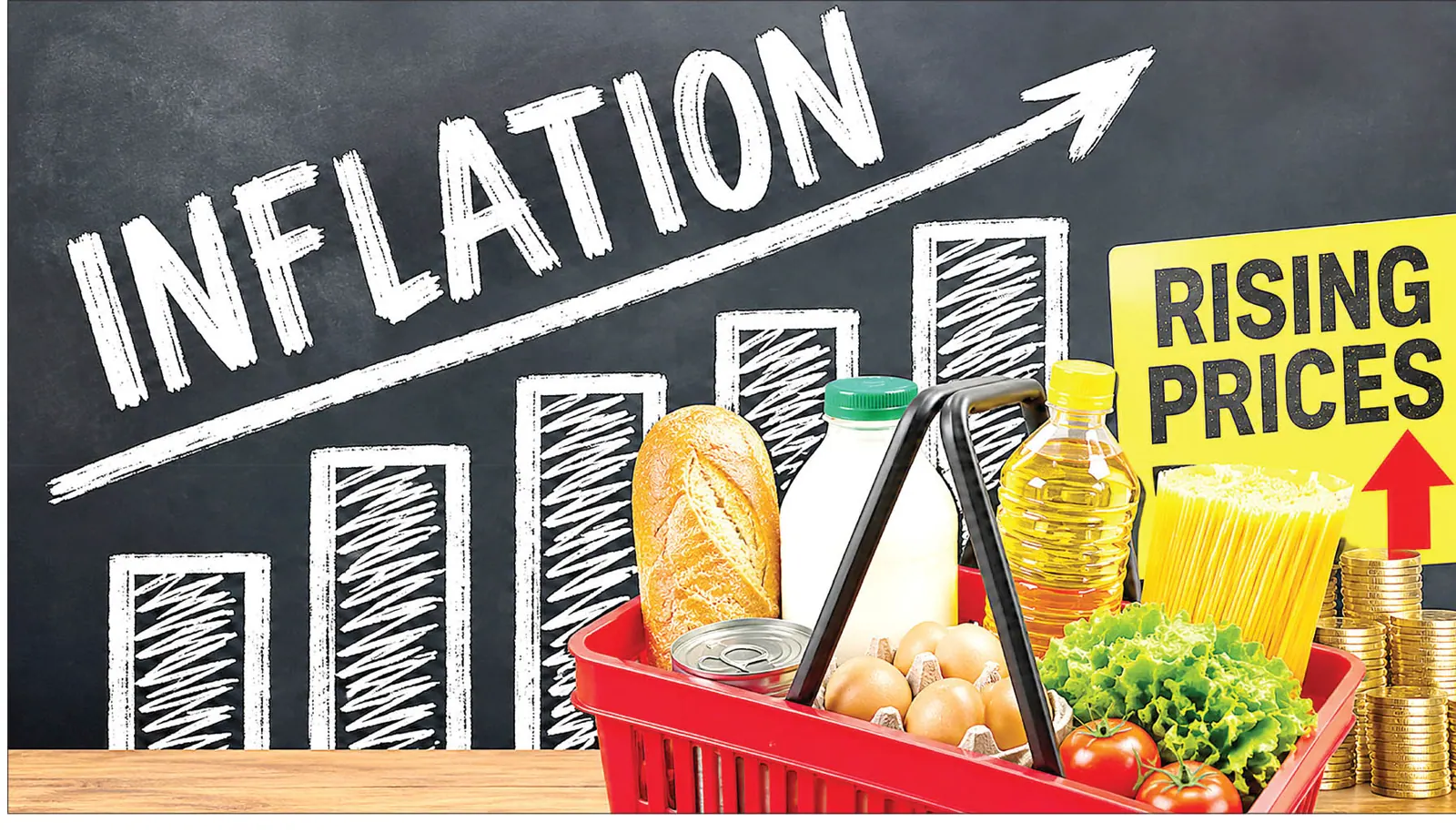
The World Bank has warned of renewed inflationary pressures in Sub-Saharan Africa, with the region's median inflation rate expected to rise from 3.7% in 2025 to 5.5% in 2026. This increase is attributed to higher global fuel, fertiliser, and food prices, which are expected to reverse some of the region's recent gains. The warning is contained in the World Bank's latest Africa Economic Update, which highlights the challenges facing economies in the region.
The World Bank's report notes that despite continued resilience in Sub-Saharan Africa, with regional economic growth projected to accelerate from 4.1% in 2025 to 4.3% in 2026, the recovery remains vulnerable to a range of external and domestic pressures. These pressures include conflict in the Middle East, uncertainty over trade policies, tighter financial conditions, natural disasters, disease outbreaks, and insecurity. The report also highlights the risk of an El Niño event disrupting agricultural production and worsening food insecurity in vulnerable economies.
Eswatini, as part of the Southern African region, remains exposed to international movements in fuel, food, and agricultural input prices. The country's economy is likely to be affected by the renewed inflation risk, particularly as international commodity price movements can feed into domestic prices. Higher fuel prices can increase transport and distribution costs, while more expensive fertiliser can raise agricultural production costs and ultimately put pressure on food prices.
The World Bank's report also notes that the improved outlook for Sub-Saharan Africa is supported by stronger domestic demand, greater macroeconomic resilience, and investments associated with the global energy transition and digital technologies. However, the recovery remains vulnerable to a range of external and domestic pressures, and the World Bank warned that risks to the regional economic outlook remain tilted towards weaker-than-expected performance.
A further escalation of geopolitical tensions could push commodity prices higher, increasing inflationary pressures while weakening countries' external and fiscal positions. Climate-related shocks also remain a concern, with the possibility of an El Niño event disrupting agricultural production and worsening food insecurity in vulnerable economies. For Eswatini, where food and fuel prices have a direct impact on household budgets and business operating costs, developments in international commodity markets remain an important economic consideration.
The World Bank's warning is relevant to Eswatini, which has been experiencing economic challenges in recent times. The country's construction industry and economy are under siege, with Eswatini importing building blocks. The leather sector also has the potential to grow the value of the economy, but it requires investment and support. The IMF has also warned that Eswatini's public debt position is coming under increasing pressure as borrowing costs worsen debt dynamics.
The Central Bank of Eswatini has raised E1.877 billion through government bonds, highlighting the country's efforts to manage its economy. However, the renewed inflation risk poses a significant challenge to the country's economic prospects. The World Bank's report highlights the need for policymakers to be vigilant and take proactive measures to mitigate the impact of inflationary pressures on the economy. By doing so, Eswatini and other countries in the region can ensure sustainable economic growth and development.
Key points
- Sub-Saharan Africa's median inflation rate is projected to increase from 3.7% in 2025 to 5.5% in 2026.