The World Bank has warned that it will cancel development projects under Governance to Enable Service Delivery (Gesd) Phase Two in Malawi if they fail to meet agreed timelines. The bank's country manager, Abdul Muwonge, issued the warning during the launch of the $80 million Gesd 2.0 programme in Lilongwe. He emphasized that implementing agencies would be held accountable for delays and that the bank would introduce monthly reviews with government ministries to monitor progress and identify bottlenecks.
Muwonge stated that he would not hesitate to cancel a project and reallocate resources to another sector or project if necessary. He attributed the need for strict timelines to the fact that implementation delays were wasting valuable resources and undermining Malawi's development ambitions. The World Bank's goal is to ensure that projects are completed on time and that resources are used efficiently.
The Gesd 2.0 programme has a reduced allocation compared to the first phase, which received $100 million. Muwonge explained that the reduction did not signal a reduced World Bank commitment to decentralized development. Instead, he attributed the funding level to competing strategic investments the bank is undertaking with the government. The focus, he said, should be on whether councils deliver results and use public resources efficiently.
Gesd 2.0 builds on the first phase, which used performance-based grants to strengthen service delivery, public financial management, and accountability in local authorities. Muwonge noted that performance scores among participating councils had risen from about 47 percent to more than 90 percent, demonstrating the potential of linking funding to results. He also challenged councils to strengthen their own-source revenue mobilization instead of relying solely on central government transfers.
Minister of Local Government and Rural Development Ben Phiri said Malawi qualified for Gesd 2.0 based on its performance under the first phase. He dismissed suggestions that the World Bank had withdrawn from the programme, stating that Gesd 2.0 would complement the reformed K5 billion Constituency Development Fund (CDF). Both financing mechanisms would be guided by community priorities and district investment plans to avoid duplication.
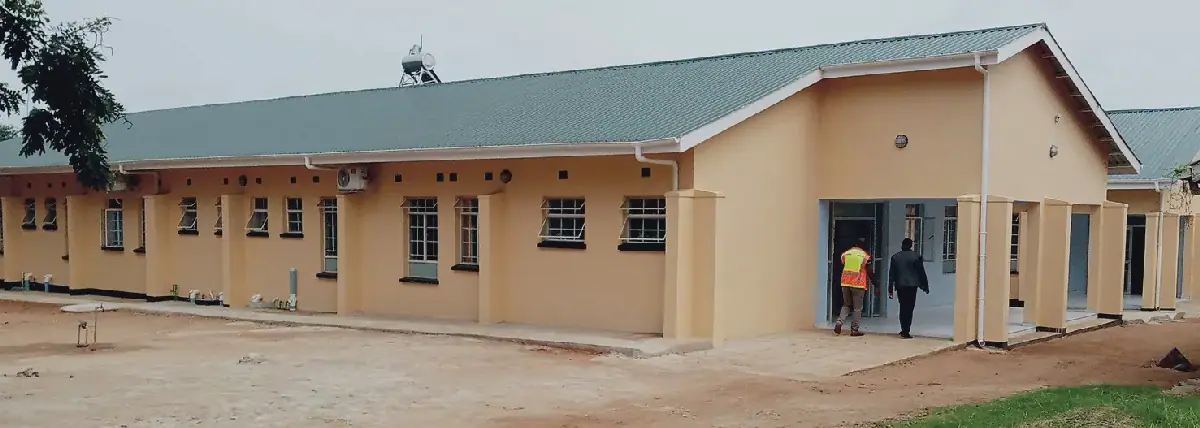
Phiri provided an example of how Gesd 1.0 and CDF funding had been used in his Thyolo Central Constituency to fund a double-storey primary school block and another block at the same school. He noted that the government had addressed some implementation weaknesses experienced during the first phase, including delays, procurement challenges, and inadequate supervision, by ensuring that councils had qualified district engineers.
Gesd 2.0 Task Team manager Eva Mellis said the programme was jointly designed with government ministries, the National Local Government Finance Committee, and councils. She emphasized that the ultimate measure of success would be whether investments translated into functional infrastructure and improved public services. The programme aims to build on the successes of the first phase and address the challenges that were encountered.
Key points
- The World Bank has warned that it will cancel development projects under Gesd Phase Two in Malawi if they fail to meet agreed timelines.
- The Gesd 2.0 programme has a reduced allocation of $80 million compared to the $100 million committed to the first phase.
- The programme aims to strengthen service delivery, public financial management, and accountability in local authorities through performance-based grants.
Reporting sources
- World Bank warns against delays in Gesd projects · The Nation