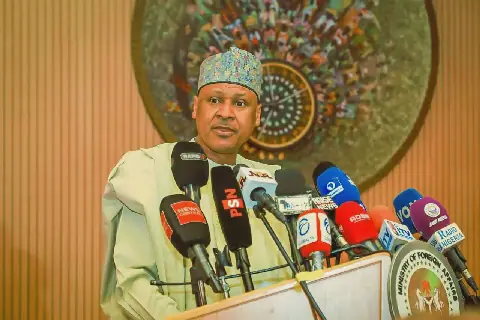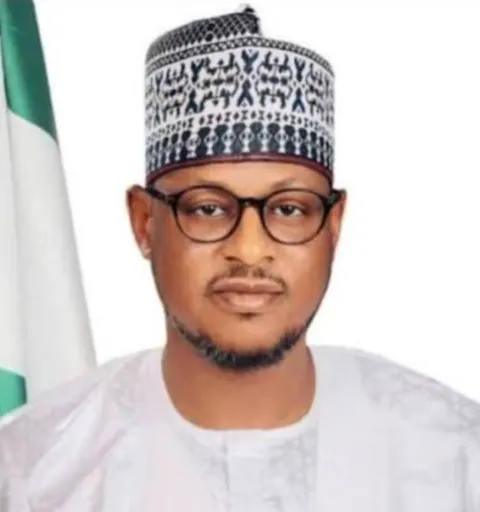
Katsina state governor, Dikko Umaru Radda, has announced that the World Bank is considering adopting the state's Community Development Programme (CDP) framework as a model for other Nigerian states. The governor made this disclosure at the inauguration of the Dikko Mai da Alkhairi da Alkhairi movement in Katsina. He described the CDP as an effective grassroots mechanism for delivering government interventions to residents.
According to governor Radda, a recent World Bank delegation expressed satisfaction with the programme's impact, citing its community-based approach as a key factor in bridging the gap between government policies and residents. The governor's administration has been pursuing a leadership style based on responsibility, reflection, authenticity, and measurable results. This approach has led to various reforms across different sectors in the state.
Governor Radda highlighted several reforms implemented by his administration, including security, healthcare, education, agriculture, infrastructure, youth empowerment, and digital governance. Some of the notable initiatives include the Community Watch Corps, healthcare expansion, and road projects. The governor also mentioned that the state had invested over N120 billion in education. These efforts aim to improve citizens' access to services and strengthen grassroots delivery.
The governor reported that the state had digitalised 118 ministries, departments, and agencies, resulting in a significant increase in monthly internally generated revenue. The revenue rose from over N400 million to over N3 billion. This achievement demonstrates the state's progress in enhancing its public sector delivery and economic opportunities.
The State Executive Council has approved several new initiatives to further drive development in the state. One of the approved projects is a solar power intervention for 11 critical public facilities, which is expected to save the government about N7 billion. The state aims to increase its power-generation capacity from zero to 70 megawatts by 2031, having already achieved over 30 megawatts.
The council also approved a N10,000 monthly allowance for 2,500 youths, as well as construction works at two special model secondary schools. Additionally, the state will host a grassroots football tournament and provide a Caterpillar asphalt paver for road maintenance and motorcycles for the 34 local government areas. These initiatives are part of the administration's programme to improve infrastructure, economic opportunities, and public-sector delivery.
The state government has also approved several healthcare projects, including renovations and additional structures at general hospitals in Jibia, Batsari, and Ingawa. The Bindawa Primary Health Centre will be upgraded to a Maternal and Child Hospital. These developments aim to strengthen grassroots services, infrastructure, and citizens' access to services across Katsina.
Key points
- The World Bank is considering adopting Katsina's Community Development Programme framework as a model for other Nigerian states.
- Katsina state has increased its power-generation capacity from zero to over 30 megawatts and targets 70 megawatts by 2031.
- The state government has approved several new initiatives, including a solar power intervention and a N10,000 monthly allowance for 2,500 youths.