The World Bank has slightly raised its economic growth forecasts for Sub-Saharan Africa, citing the region's resilience in the face of global challenges. The bank now expects growth of 4.3% for Sub-Saharan Africa in 2026, up from 4.1% in 2025 and the 4% projected in April. This upgrade reflects improved macroeconomic resilience, stronger domestic demand, and investments linked to the global energy transition and digital technologies.
Despite the upgraded growth forecasts, the World Bank warns that poverty reduction in Sub-Saharan Africa remains a significant challenge. The region's poverty rate is projected to decline only marginally, from 47.8% in 2026 to 47.1% in 2027, measured at the $3 per day international poverty line in 2021 purchasing power parity terms. The absolute number of poor people is expected to continue rising, highlighting the difficulty of translating economic growth into improved living standards amid rapid population growth.
The World Bank's chief economist for the Africa region, Andrew Dabalen, attributed the upgraded growth forecasts to years of reforms and improved economic management in countries such as Angola, Ethiopia, Nigeria, and Zambia. He emphasised that the next challenge is turning growth into more jobs and better opportunities. Dabalen suggested that investing in the foundations of an AI-ready economy could unlock productivity gains, spur innovation, and accelerate the structural transformation needed to raise living standards and reduce poverty.
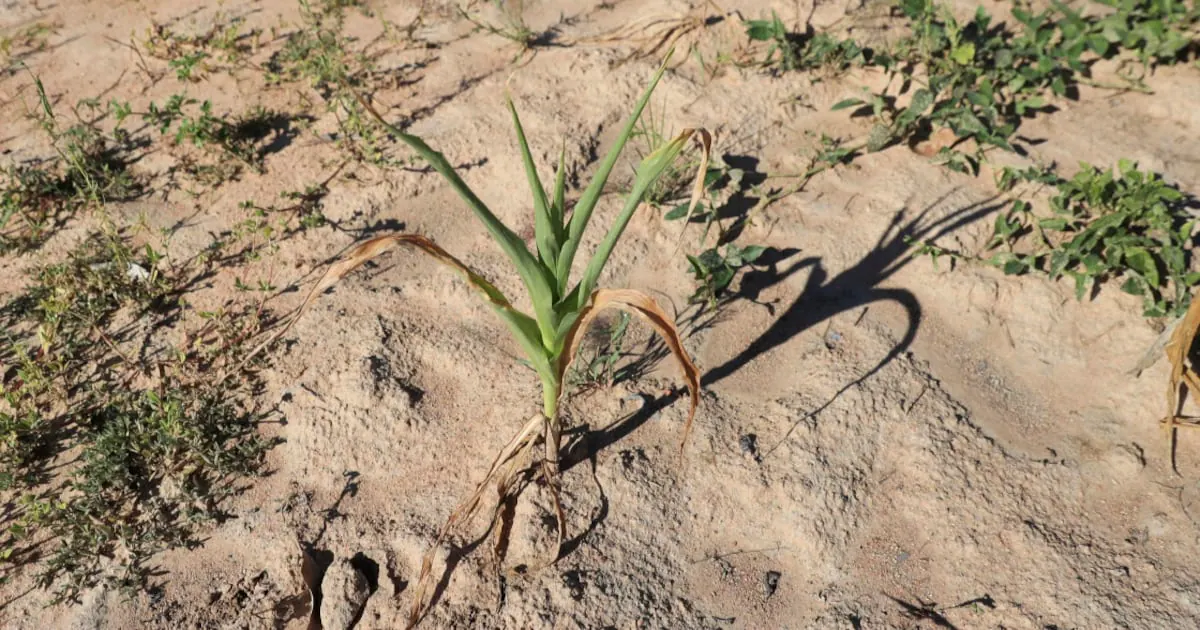
However, the World Bank warns that risks to the growth outlook remain tilted to the downside. Further geopolitical tensions could trigger additional increases in commodity prices, intensify inflation, and weaken external and fiscal balances. Climate-related shocks, including the effects of a potential El Niño event, could disrupt agricultural production and worsen food insecurity, while tighter financing conditions would further constrain fiscal space.
The World Bank also highlighted the impact of decreased international aid to Sub-Saharan Africa, which has led to a reassessment of financing strategies and a greater emphasis on identifying and mobilising alternative sources of development finance. Major donors have reduced their aid to the region, and the changing aid landscape requires a new approach to financing development.
The report notes that most African countries are still at an early stage of AI adoption, with activity concentrated in Kenya, Nigeria, and South Africa. The region's greatest opportunity lies in affordable, locally adapted small AI applications, such as low-bandwidth tools for education, agriculture, health, finance, logistics, and public administration. Realising these benefits will require investments in reliable electricity, affordable connectivity, digital skills, quality data, compute infrastructure, and effective governance.
To scale AI-enabled solutions and support more and better jobs, the World Bank emphasised the importance of strong institutions, technical capacity, implementation, and regional co-operation. This can be achieved through initiatives such as the African Union's Continental AI Strategy and the African Continental Free Trade Area. By investing in these areas, African countries can unlock the potential of AI to drive economic growth and improve living standards.
Key points
- The World Bank has raised its 2026 growth forecast for Sub-Saharan Africa to 4.3%, citing resilience in the face of global challenges.
- Poverty reduction in Sub-Saharan Africa remains a significant challenge, with the poverty rate projected to decline only marginally.
- The region's greatest opportunity lies in affordable, locally adapted small AI applications, which can drive economic growth and improve living standards.