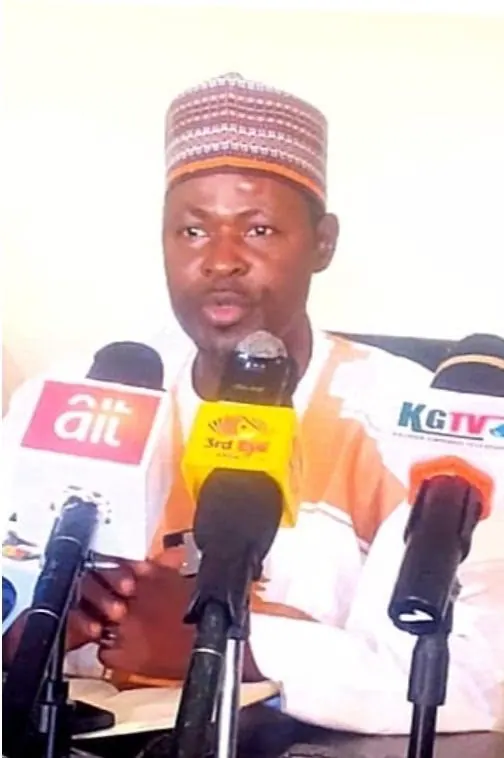
The Kebbi state government, in partnership with the World Bank-supported Agro-Climatic Resilience in Semi-Arid Landscapes (ACReSAL) project, has initiated major gully erosion control and bio-engineering works in Badariya and Dukku Malala communities in the Birnin Kebbi metropolis. This project aims to address the environmental challenges faced by these communities. The Commissioner for Environment, Alhaji Musa Tungulawa, announced this development at a news conference in Birnin Kebbi.
The projects, implemented by the State Ministry of Environment in collaboration with the Kebbi ACReSAL project and supported by the World Bank, comprise two erosion control and bio-engineering sites in Badariya community under Lot 1, and two additional sites in Dukku Malala community under Lot 2. Both contracts were awarded to A.G. Vision Construction Nigeria Ltd. The commissioner stated that over 50,000 people in the affected communities and surrounding areas are expected to benefit directly and indirectly from these interventions.
The interventions aim to check the expansion of gullies, flooding, and soil degradation that have affected homes, farmlands, roads, businesses, and other community assets over the years. The projects will restore and reclaim degraded lands, particularly agricultural and Fadama areas, through improved storm-water management, water harvesting, and controlled channelling. This will improve water availability and agricultural productivity, restore livelihoods, protect critical infrastructure, and strengthen the resilience of communities against flooding, erosion, and other climate-related challenges.
According to the commissioner, the projects will create safer living conditions and support sustainable socio-economic activities by restoring productive lands and reducing environmental risks. The contractor was selected through a procurement process conducted in accordance with World Bank procurement regulations, based on compliance, technical expertise, relevant experience, and capacity to execute the projects. The projects are scheduled for completion within 15 months, but the government has urged the contractor to deliver the works substantially ahead of schedule.
The government has assured Project Affected Persons (PAPs) that adequate arrangements have been made for the implementation of the Resettlement Action Plan (RAP). All eligible affected persons will be identified, assessed, and compensated in accordance with the approved RAP provisions and applicable safeguard requirements before the commencement of the relevant project activities. The government remains committed to ensuring that the resettlement and compensation process is transparent, fair, and carried out in a manner that protects the rights, livelihoods, and interests of all affected persons.
The commissioner commended Governor Nasir Idris for his continued support and commitment to addressing environmental challenges across the state. He also commended the State Project Coordinator, Mr Ahmad Isa-Tela, and the entire Kebbi ACReSAL team for their dedication and professionalism towards the realisation of the projects. The commissioner expressed optimism that the intervention will provide lasting solutions to the environmental challenges confronting Badariya, Dukku Malala, and neighbouring communities.
The ACReSAL interventions will contribute significantly to climate resilience, flood and erosion control, land reclamation, and the promotion of sustainable livelihoods in the affected communities. The commissioner called on residents and other stakeholders in the project areas to cooperate with the contractor, technical personnel, and project teams to ensure the successful and sustainable implementation of the intervention.
Key points
- The Kebbi state government and World Bank have initiated flood control projects in Badariya and Dukku Malala communities.
- The projects aim to benefit over 50,000 people and address environmental challenges such as gully erosion and soil degradation.
- The projects are expected to be completed within 15 months and will improve water availability, agricultural productivity, and livelihoods.