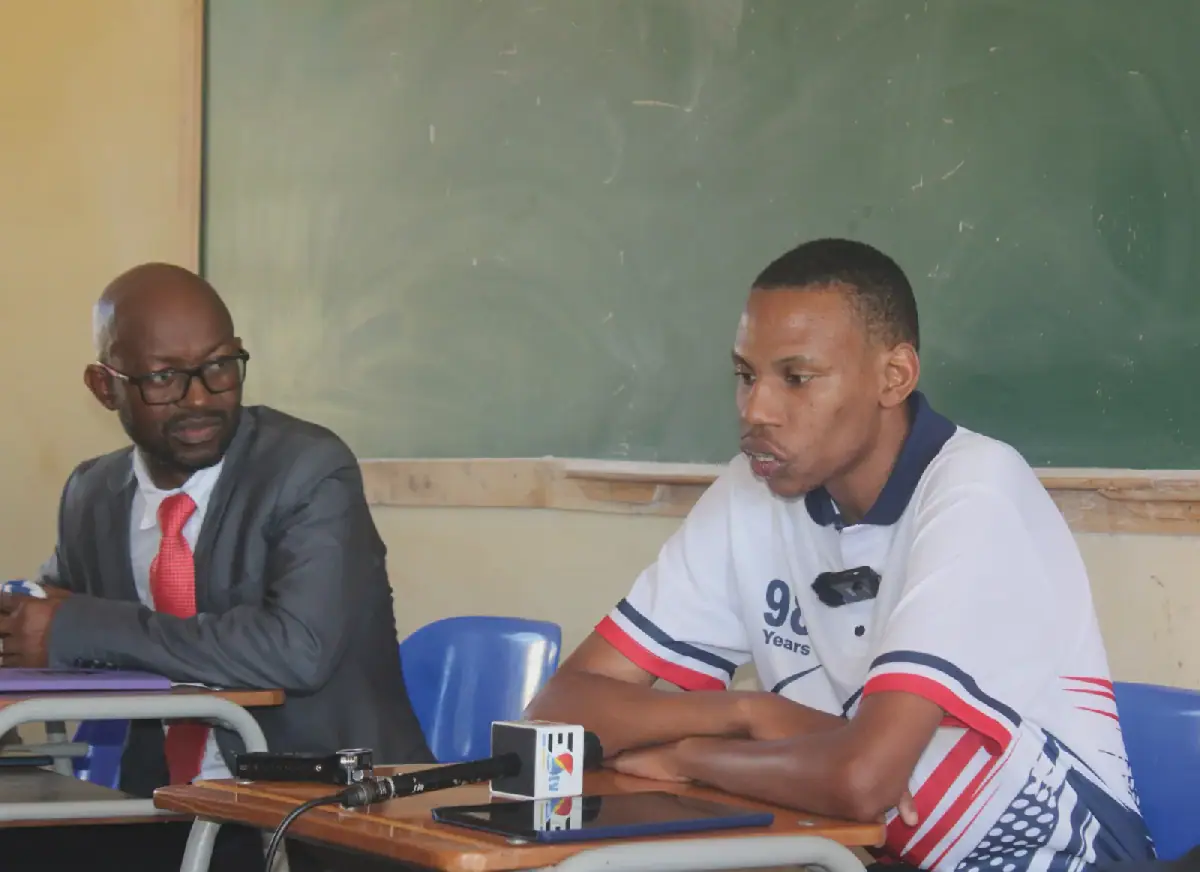
The ministry of education and training in Eswatini has launched a World Bank-supported project aimed at improving learner retention in 64 secondary schools. The project, known as the Strengthening Basic Education and Early Childhood Development for Human Capital Development Project, seeks to address challenges affecting pupils' continuation in education. Project Coordinator Khanyisile Mokoena said the project was implementing targeted programmes to support learners and improve their chances of remaining in school.
The project includes interventions such as support for orphans and vulnerable children (OVC) and Boys and Girls Clubs intended to provide additional support to learners. Eight schools are participating in the OVC intervention, which forms part of the 64 targeted under the broader retention programme. The project also supports mathematics and science instruction in 26 secondary schools, with the goal of improving the quality of education while addressing factors that affect learners' ability to remain in school.
Mokoena explained that the interventions are designed to ensure that learners receive the necessary support throughout their schooling so that they can complete their education and make informed decisions about their future career pathways. The project recognises that improving education requires more than ensuring that learners enrol in school; attention also needs to be given to whether they remain in school and acquire the skills needed for their future.
The Boys and Girls Clubs form part of the support interventions, while the OVC component focuses on vulnerable learners. Mokoena said the project hopes that learners benefiting from the interventions will be able to complete their education, pursue suitable career pathways, and eventually contribute to the country's development. The project also includes efforts to improve the quality of mathematics and science teaching through interventions in secondary schools.
The broader initiative seeks to strengthen education service delivery and improve the quality and internal efficiency of basic education, particularly at primary and junior secondary levels. The project aims to address the challenges faced by learners in Eswatini, including poverty, lack of access to education, and inadequate educational infrastructure. By supporting learners and improving the quality of education, the project hopes to make a positive impact on the country's education system.
According to Mokoena, the project is making progress in implementing the targeted programmes, with 64 schools already benefiting from the interventions. The project will continue to monitor and evaluate its impact, making adjustments as needed to ensure that it achieves its goals. The ministry of education and training is committed to improving the quality of education in Eswatini and ensuring that learners have the support they need to succeed.
The project's focus on learner retention and support for vulnerable learners is critical to addressing the challenges faced by Eswatini's education system. By providing additional support to learners, the project hopes to improve educational outcomes and increase the chances of learners completing their education. The project's success will depend on its ability to sustain its interventions and make a lasting impact on the country's education system.
Key points
- The project aims to improve learner retention in 64 secondary schools in Eswatini.
- The project includes interventions such as support for orphans and vulnerable children and Boys and Girls Clubs.
- The project seeks to strengthen education service delivery and improve the quality and internal efficiency of basic education.
Reporting sources
- World Bank-backed project targets learner retention in 64 schools · Swazi Observer