A World Bank Group-supported project in Sierra Leone is turning the country's natural attractions into engines of job creation and economic growth. The Sierra Leone Economic Diversification Project (SLEDP), launched in 2020, aims to grow investment and enterprise in the tourism sector. The project has focused on developing tourism infrastructure, improving the business environment, and promoting entrepreneurship. As a result, tourism is creating new opportunities for people to work, start businesses, and earn an income close to home. The sector is demonstrating how investment in places can translate into jobs for people.
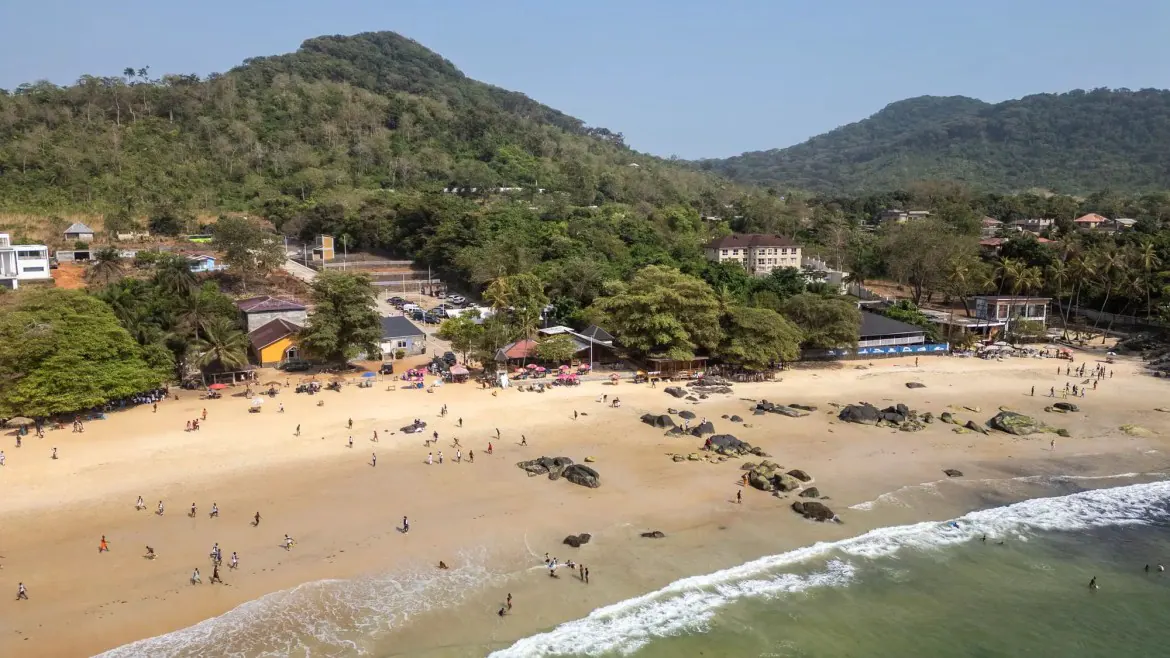
Sierra Leone's tourism attractions, including beautiful beaches, lush mountains, and rich cultural traditions, have long drawn attention from tourists and travel media. However, the country lacked the necessary infrastructure, investment, and business environment to turn visitor interest into economic opportunity. The SLEDP set out to close this gap by investing in tourism infrastructure, improving access to finance, and promoting entrepreneurship. The project has identified three key sites: Bureh Beach, the Tacugama Chimpanzee Sanctuary, and Leicester Peak, which offer a range of visitor experiences.
The SLEDP has invested heavily in infrastructure upgrades, access improvements, environmental assessments, and marketing to create visitor experiences that can compete regionally and internationally. The recent launch of the Leicester Peak Viewpoint Tourist Site in April 2026 marked a visible milestone in this effort. At Tacugama, the project developed a Conservation Education and Innovation Centre alongside a botanical garden, giving the sanctuary a world-class educational dimension. Improved access roads, parking, landscaping, and visitor amenities are enabling more people to experience the sanctuary while creating new opportunities for local entrepreneurs.
The impact of the project on visitor numbers has already been registered, with international arrivals doubling since the project began. This has brought in foreign exchange and expanded demand for local services and businesses that tourism depends on. The SLEDP has also invested in the conditions that allow small enterprises to grow, including automating the building permit system and upgrading the collateral registry. These reforms have enabled small businesses to access finance and create jobs.
The project has helped automate the building permit system at Sierra Leone's Ministry of Lands, Housing, and Country Planning, cutting the time to obtain a construction permit from 182 days to just 14 working days on average. This has been transformative for business owners trying to open a guesthouse, restaurant, or retail space near a tourist site. The project has also upgraded the collateral registry, enabling small businesses with movable assets to use them as collateral for loans.
The SLEDP has contributed to the creation of over 35,000 direct and indirect jobs through tourism development, public investment, and small and medium enterprise support. More than 10,000 of these jobs are held by women. Tourism creates jobs far beyond the point of arrival, supporting a network of local enterprises and creating opportunities for transport operators, farmers, artisans, food vendors, and creative entrepreneurs.
Total private sector investment leveraged through project activities has reached over $92 million, reflecting the broader confidence the project has helped build in Sierra Leone's economy. The work is not finished, but the direction is clear: Sierra Leone is building a more diversified future, powered by its people's talent and creativity, grounded in its remarkable natural and cultural wealth, and supported by its institutions.
Key points
- The SLEDP has contributed to the creation of over 35,000 direct and indirect jobs through tourism development.
- The project has helped automate the building permit system, cutting the time to obtain a construction permit from 182 days to just 14 working days on average.
- Total private sector investment leveraged through project activities has reached over $92 million.