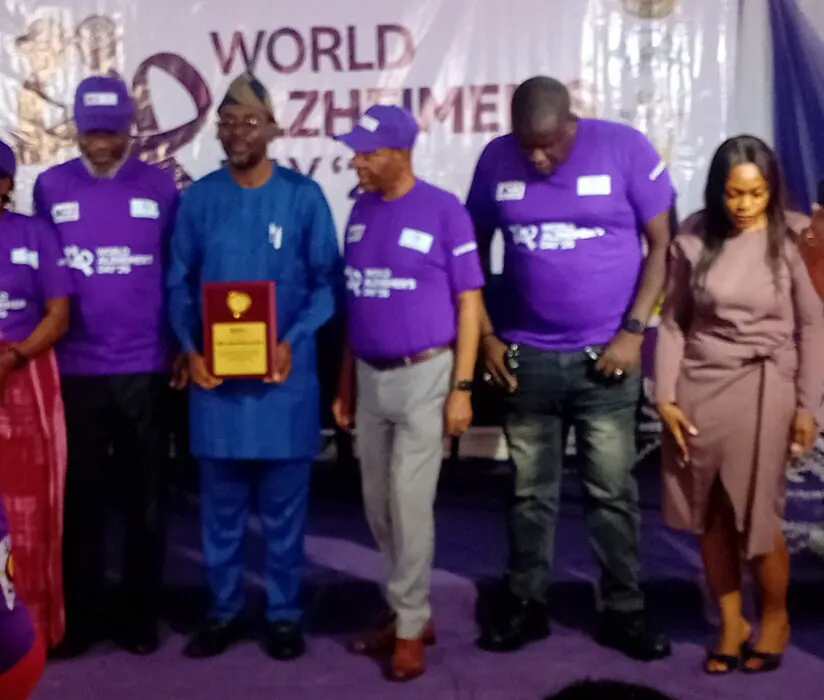
On Monday, stakeholders in Nigeria’s health and humanitarian sectors called for early diagnosis and improved care for persons living with Alzheimer’s disease and other forms of dementia. This call was made during the commemoration of World Alzheimer’s Day 2026, marked with an awareness walk and conference in Abuja. The event was organised by the National Association of Seadogs (Sahara Deck) in partnership with the Caring Lot International Initiative (CLII).
The theme of the event, “Know Early, Care Better: Changing the Story of Alzheimer’s in Nigeria,” highlights the importance of early detection in the effective management of Alzheimer’s disease. Stakeholders stressed that late diagnosis often worsens patient outcomes and increases the physical, emotional, and financial burden on families and caregivers. They emphasized that early detection is critical to managing the disease and improving patient care.
Professor Adesoji Adesugba, Chairman of Caring Lot International Initiative (CLII), noted that early diagnosis is crucial for better care. He stated that when families recognize memory loss, confusion, or changes in behavior early and seek evaluation, it is possible to slow progression, manage symptoms, and reduce the burden on caregivers. This, he emphasized, is not just a medical milestone but the beginning of better care.
Engr Lawumi Ismail, CEO of CLII, highlighted the challenges faced by families coping with Alzheimer’s disease. He attributed these challenges to stigma and poor information, which often leave families to cope alone. Ismail noted that the partnership with Sahara Deck aims to change this narrative by providing knowledge, support, and dignity to every affected person.
Aloy Atsenokhai, Second Mate (Chief Programs Officer) of Sahara Deck, called for greater public understanding of dementia and stronger support for caregivers. He emphasized that Alzheimer’s is not a curse nor a normal part of aging that should be ignored. Atsenokhai urged Nigerians to know the signs early, care better, and stand with caregivers.
The event aimed to raise public awareness, reduce stigma, and promote timely intervention for people affected by Alzheimer’s and other forms of dementia. Organizers urged Nigerians to pay attention to early warning signs, seek timely medical evaluation, and support caregivers with adequate information, resources, and care. They also called for stronger support systems, improved caregiver training, and greater public understanding of dementia in Nigeria.
World Alzheimer’s Day, marked every September 21, aims to raise awareness about Alzheimer’s disease and other dementias. The commemoration in Nigeria serves as a reminder of the need for collective action to address the challenges posed by Alzheimer’s disease and to improve the lives of those affected.
Key points
- Early diagnosis is critical to the effective management of Alzheimer’s disease.
- Stigma and poor information often leave families to cope alone with Alzheimer’s disease.
- There is a need for stronger support systems, improved caregiver training, and greater public understanding of dementia in Nigeria.