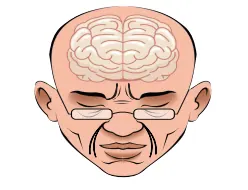
Today, the world observes World Alzheimer's Day 2026 with a call to action to create awareness about dementia, a neurodegenerative disease that affects millions of people globally. The theme of this year's observation, “The Earlier You Know, the More You Can Do: A Dementia Diagnosis Matters”, seeks to draw attention to the importance of early diagnosis and reduce social stigma associated with the disease. In Nigeria, health authorities are urged to pay closer attention to the growing burden of dementia, which affects many people, especially older citizens.
According to Dr. David Oludare Mark, Principal Officer at Family Ark Mission, dementia is a 'quiet crisis in a young country' that requires urgent attention. He prepared a paper titled, ‘From awareness to action: building dementia-friendly communities,’ which highlights the need for a society to treat its most vulnerable persons with dignity and respect. Mark noted that dementia is not a normal part of ageing, but rather a major decline in one or more cognitive abilities such as memory, attention, language, reasoning, or judgement.
Dr. Mark explained that ordinary forgetfulness, such as forgetting where you put your keys or a name, is different from the symptoms of dementia. He stated that forgetting what keys are for, asking the same question again and again within minutes, getting lost on a familiar road, or being unable to manage money or cook a meal are signs of dementia. Medical experts define dementia as a serious decline in cognitive abilities that interferes with daily life.
In Nigeria, people with dementia are often described only through their symptoms, which can lead to weak legal protection and expose them to exploitation and neglect. Dr. Mark noted that when memory fails, judgment, communication, and the ability to report abuse or mistreatment also weaken. This makes people with dementia vulnerable to neglect, financial abuse, exploitation, wandering, and getting lost.
Dr. Mark emphasized that dementia sits at the centre of the safeguarding conversation, and when a person with dementia can no longer speak fully for themselves, the systems around them must become stronger advocates for their dignity and rights. He recommended calling people by the names they know, asking what they like, involving them in decisions, and using what still works, such as familiar songs, old stories, and favourite foods.
According to Dr. Mark, older memories and emotional responses remain reachable long after recent memory fails, which is why reminiscence and music can bring someone back into the room. He stressed that it is essential to create a dementia-friendly community that respects the dignity and rights of people with dementia.
The observation of World Alzheimer's Day 2026 aims to promote awareness and action to address the growing burden of dementia in Nigeria and globally. By creating a dementia-friendly community, we can improve access to treatment and care for those who suffer from the disease and reduce the social stigma associated with it.
Key points
- Dementia is not a normal part of ageing, but rather a major decline in one or more cognitive abilities.
- Early diagnosis of dementia is crucial to improve access to treatment and care.
- Creating a dementia-friendly community is essential to respect the dignity and rights of people with dementia.