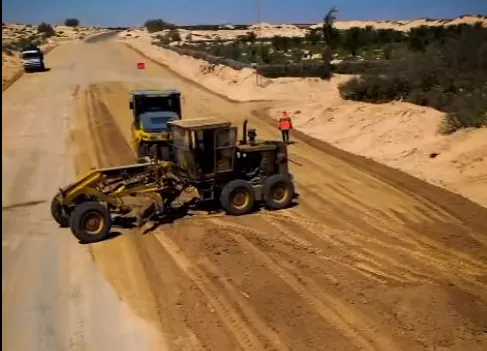
The rehabilitation project for National Road 20, connecting the municipalities of Fawar and Rajim Maatouk in Qibili governorate, has made some progress since work began on July 15, 2025. However, the pace of work has been slow, prompting concerns about meeting the project's deadline. A site visit was conducted on Thursday to assess the project's status and identify obstacles hindering progress.
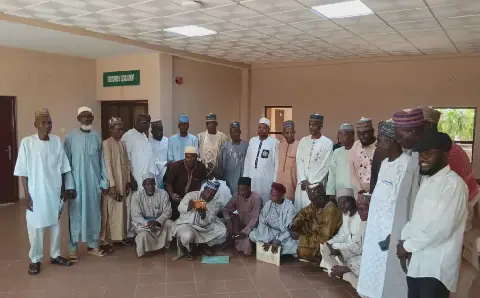
The site visit was attended by the Regional Director of Equipment, Hamza Harabi, and the General Director of the company responsible for the project. The meeting aimed to discuss the challenges and difficulties faced by the project team and explore ways to accelerate the work pace. Harabi emphasized the need to expedite the project's completion.
The project involves upgrading a 20km stretch of National Road 20 to improve road safety and connectivity in the region. Local residents and commuters have expressed concerns about the slow progress, citing the road's poor condition and its impact on daily life. The project's delays have also raised concerns about potential economic losses and social impacts.
According to officials, several factors have contributed to the project's slow pace, including logistical challenges and issues related to land acquisition. The project's timeline and budget have also been affected by these delays. Efforts are being made to address these issues and get the project back on track.
The Qibili governorate has been investing in infrastructure development to boost economic growth and improve living standards. The National Road 20 project is a key component of these efforts, aiming to enhance road network connectivity and facilitate the transportation of goods and people. The project's successful completion is expected to have a positive impact on the local economy.
The project's progress has been closely monitored by local authorities and residents. Regular updates are being provided to stakeholders, and efforts are being made to ensure transparency and accountability. The project's completion is expected to improve road safety, reduce travel times, and enhance overall connectivity in the region.
The Tunisian government has prioritized infrastructure development, allocating significant resources to upgrade the country's road network. The National Road 20 project is part of these efforts, demonstrating the government's commitment to improving the country's infrastructure and promoting economic growth.
Key points
- The project's slow pace has raised concerns about meeting the deadline and potential economic losses.
- Several factors have contributed to the project's delays, including logistical challenges and land acquisition issues.
- The project's completion is expected to have a positive impact on the local economy, improving road safety and connectivity.