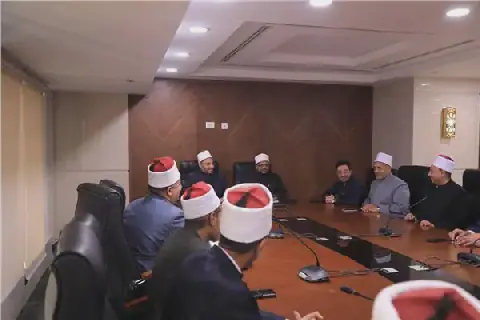
European Union ministers met in Luxembourg to discuss further ways to boost deportations, with Denmark reporting that work to set up migrant return hubs outside the EU is progressing "very well". The meeting comes as anti-immigration parties are gaining traction across the bloc. Denmark, along with Austria, Greece, Germany, and the Netherlands, has been exploring options to set up such migrant centres.
Danish interior minister Morten Bodskov told reporters that the initiative is moving in the right direction, although he did not provide further details. Germany's Alexander Dobrindt confirmed that there were preliminary talks, but declined to specify which countries were involved. Dobrindt emphasized that more work is needed to ensure any agreement would withstand possible lawsuits and be sustainable in the long term.
The Luxembourg talks focused on new migration rules that would allow for the creation of return hubs and grant authorities broader detention powers. EU migration chief Magnus Brunner identified Pakistan and Bangladesh as key countries for cooperation, as they are major starting points for migration routes to Europe. Migrants typically travel through the Gulf and Egypt to Libya, from where many attempt to cross the Mediterranean by boat.
Proponents of return hubs argue that they could facilitate repatriations and act as a deterrent for would-be irregular migrants. The hubs would serve either as final destinations or transfer centres for those expelled. However, critics question their effectiveness, citing hurdles faced by similar projects and concerns about human rights and oversight.
The concept of return hubs has faced challenges in the past. Britain abandoned a scheme to deport undocumented migrants to Rwanda, while Italian-run facilities in Albania have encountered legal challenges and low uptake. Greek migration minister Thanos Plevris announced plans to open a centre in an African country in 2027, although the location has not been disclosed.
European lawmakers from the Greens group, Anna Strolenberg and Tineke Strik, recently visited Rwanda and Uganda, where they spoke with officials about potential deals. The lawmakers expressed concerns about human rights and other issues related to return hubs. Strolenberg suggested that Rwanda may be the first country to strike a deal with EU countries.
The EU is also working to improve its response to mass migration movements, with plans to propose an emergency tool for countries to better deal with such crises. The European Commission will reinforce the mandate of the bloc's border agency Frontex to conduct social media monitoring. EU chief Ursula von der Leyen emphasized the need for a stronger early warning system to address future migration challenges.
Key points
- EU ministers discuss new migration rules to boost deportations and create return hubs
- Denmark reports progress on setting up migrant return hubs outside the EU
- Critics question effectiveness of return hubs over human rights and oversight concerns