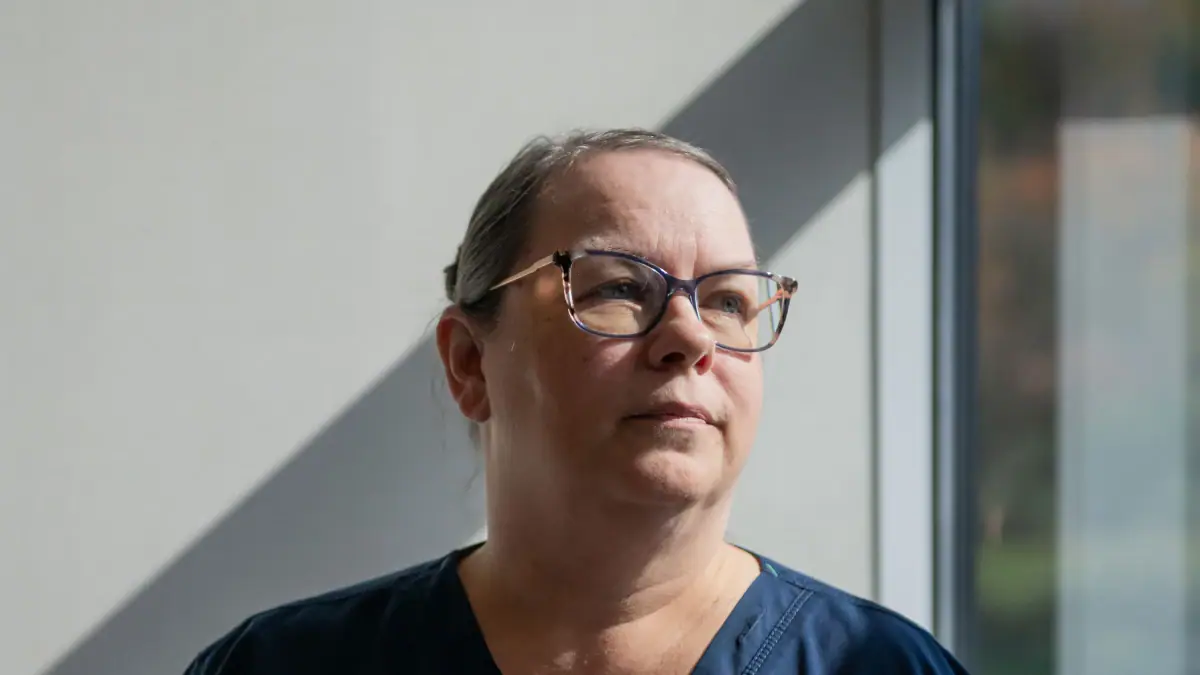
In south-central Pennsylvania, the Chester County Health Department has been waging a war against measles using a unique strategy - a quiet, word-of-mouth campaign to win the trust of the state's Amish community. The community has been particularly hard hit by the country's worst measles outbreak in 35 years, with over 1,500 confirmed cases and six measles-related deaths. Clinical services supervisor Dale Weiser has been driving out to Amish homes to vaccinate people against measles, often at the request of the families themselves.
Weiser has administered over 400 doses of the measles, mumps and rubella vaccine in Amish homes since August. She says it usually starts with a phone call from an Amish family, asking her to come to their home to administer the vaccine. The Amish community has lower vaccination rates, with surveys suggesting only about a third of Amish families in the region vaccinate their children. This has left the community especially vulnerable to measles, one of the most contagious diseases.
There is no religious edict against vaccination among the Amish, but the decision to vaccinate is often driven by practical and cultural factors. Weiser says that many Amish families have changed their minds about getting the MMR vaccine as measles cases have piled up in Pennsylvania. When they do, she hops in her car and brings the shots to them. Weiser's approach is part of a patient, personalized outreach effort by the Chester County Health Department to build trust among the local Amish community.
Chester County Public Health Director Jeanne Franklin says that the department's approach has been to spend time quietly visiting Amish church leaders and businesses, introducing themselves and asking community leaders if they would hand out flyers advertising vaccine clinics. The department has also partnered with local Amish leaders to host vaccine clinics in Amish communities. For example, 24 people showed up to get vaccinated at a clinic held at the Honey Brook Barbecue restaurant in Honey Brook, Pa.
Despite the efforts of health officials, vaccine misinformation has made its way to the Amish community. Some Amish people have expressed concerns about the contents of the MMR vaccine, including the myth that it contains parts of aborted fetuses. This concern has been fueled by anti-vaccine groups that have been targeting the Amish in recent years. However, public health outreach efforts are working, with many Amish families getting vaccinated to protect themselves and their loved ones.
Steve Nolt, a professor at Elizabethtown College who has written numerous books about Amish history and culture, says that there is evidence that anti-vaccine groups have been targeting the Amish in recent years. However, he also notes that public health outreach efforts are having a positive impact. Many Amish people are getting vaccinated because they are concerned about the risks of measles, and they want to protect themselves and their communities.
As the measles outbreak continues to affect the Amish community, health officials are working to build trust and encourage vaccination. Linda Beth Fisher, an 18-year-old Amish woman, says she is concerned that several Amish people in her area have died in the measles outbreak. She and many others are taking steps to protect themselves and their loved ones by getting vaccinated. The efforts of health officials and the Amish community are helping to bring down the number of measles cases in Pennsylvania.
Key points
- The Amish community has lower vaccination rates, with surveys suggesting only about a third of Amish families in the region vaccinate their children.
- Health officials are using a quiet, word-of-mouth campaign to win the trust of the Amish community and encourage vaccination.
- Vaccine misinformation has made its way to the Amish community, but public health outreach efforts are working to build trust and encourage vaccination.