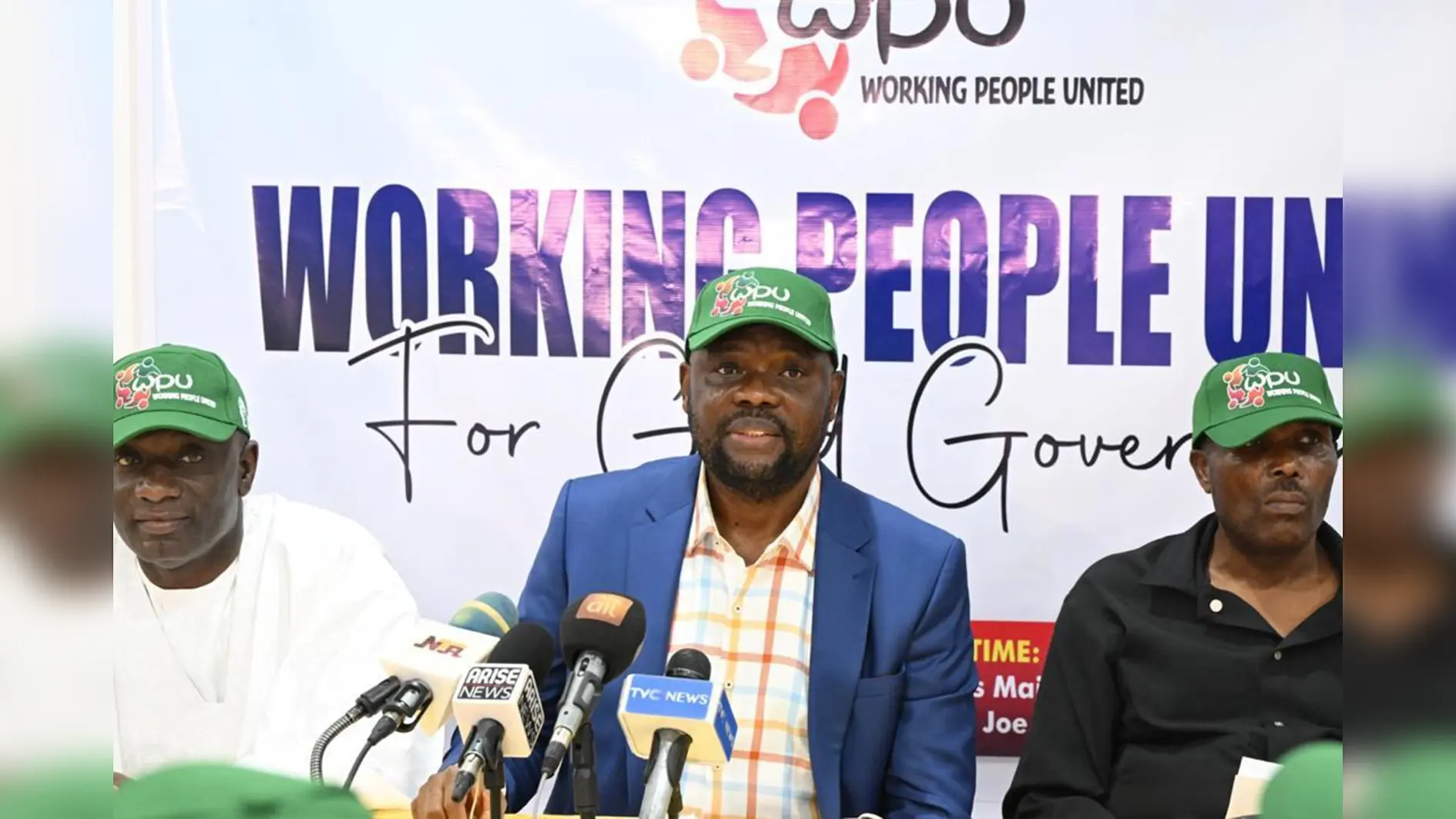
Working People United (WoPU) has called on transport operators, haulage companies, and food distributors in Nigeria to reduce their charges following the Federal Government's 30-day petrol intervention. The movement warned that workers may not benefit from lower fuel costs if transportation fares and food prices remain high. WoPU emphasized that the success of the intervention should be measured by its impact on the cost of commuting, food, and other essential goods.
The National Coordinator-General of WoPU, Williams Akporeha, commended President Bola Tinubu for the intervention but urged transporters to pass on any genuine savings in operating expenses to passengers and consumers. He stated that transportation costs significantly determine food prices and that lower haulage charges could ease pressure on household budgets if the savings were reflected across the distribution chain.
WoPU urged commercial drivers, logistics companies, and food distributors to review their charges, particularly the cost of moving agricultural produce and other essential commodities across the country. The movement noted that the intervention would offer limited relief to workers if petrol costs declined without corresponding reductions in the cost of transportation and distribution.
The call comes amid persistent pressure on workers' incomes from the cost of transportation and essential commodities, which consume a significant share of household earnings. WoPU stated that workers, traders, and small business owners could benefit from the intervention if lower petrol costs translated into cheaper commuting and more affordable food.
However, WoPU cautioned that reductions in fuel costs would not automatically lead to lower food prices, as agricultural production expenses, distribution challenges, and other supply-chain costs could continue to influence market prices. The movement also called on relevant government agencies to monitor the intervention and promote transparent pricing practices.
WoPU urged the government to complement the measure with sustained efforts to address the structural factors driving the cost of living, including high agricultural production costs and inadequate transportation infrastructure. The movement stated that the 30-day period should provide an opportunity for government, businesses, and transport operators to demonstrate a shared commitment to easing the economic burden on Nigerian households.
Ultimately, WoPU emphasized that economic interventions should be judged by whether they improved living conditions and strengthened the purchasing power of working people. The movement's call for transporters to cut fares comes as the Federal Government's petrol intervention takes effect, with the goal of providing relief to Nigerian households.
Key points
- WoPU urges transport operators to reduce charges in response to FG's 30-day petrol intervention.
- The movement emphasizes that the success of the intervention should be measured by its impact on the cost of commuting, food, and other essential goods.
- WoPU cautions that reductions in fuel costs may not automatically lead to lower food prices.