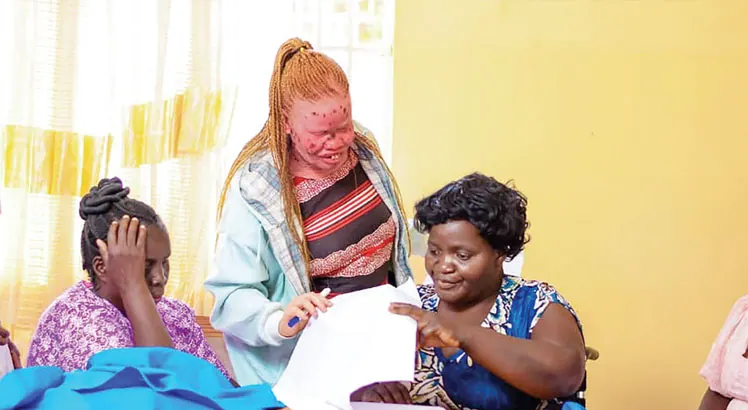
The Spinal Injuries Association of Malawi has provided training to women with disabilities from Dedza, Kasungu, and Lilongwe, focusing on advocacy skills to engage district councils. This initiative aims to ensure their inclusion in social protection programmes such as social cash transfers, public works, and savings groups. The training is part of the Strengthening Partnerships to Advance Disability Rights in Africa project.
According to Scader Louis, co-founder and general secretary of the Spinal Injuries Association of Malawi, women with disabilities are often sidelined from social protection programmes. The training enables them to design advocacy messages to engage district councils, promoting their inclusion and representation in decision-making processes. This move seeks to address the persistent marginalization of women with disabilities.
Catherine Bunya, chairperson of the Dedza Disability Forum, welcomed the training, stating it was timely and provided them with the necessary advocacy skills. Bunya noted that women with disabilities are underrepresented in district council structures, but the training will empower them to engage authorities and advocate for their inclusion in social protection services.
Mwayiwathu Kusakala, project officer for Disabled Women in Africa, supported the training due to the persistent discrimination faced by women and girls with disabilities. Kusakala acknowledged that despite long-standing lobbying for inclusion, progress has been limited. The training is seen as crucial in empowering women with the skills to advocate for their rights.
The training was conducted with funding from Disabled Women in Africa under the Strengthening Partnerships to Advance Disability Rights in Africa project. This project aims to enhance the rights and inclusion of persons with disabilities in Africa. The initiative reflects a collaborative effort to address the specific challenges faced by women with disabilities in Malawi.
The advocacy workshop, held in Lilongwe, equipped women with disabilities with the skills to amplify their voices at the district level. Participants are now poised to engage with district councils, advocating for their rights and inclusion in social protection programmes. This development is seen as a step towards addressing the social and economic disparities faced by women with disabilities.
The push for social protection by women with disabilities in Malawi highlights the broader challenges faced by persons with disabilities in accessing essential services. The outcome of this initiative will be closely watched, as it has the potential to inform similar efforts across the region, promoting greater inclusion and equity for persons with disabilities.
Key points
- Women with disabilities in Malawi are being equipped with advocacy skills to engage district councils for inclusion in social protection programmes.
- The training is part of the Strengthening Partnerships to Advance Disability Rights in Africa project, funded by Disabled Women in Africa.
- The initiative aims to address the persistent marginalization of women with disabilities in social protection programmes.