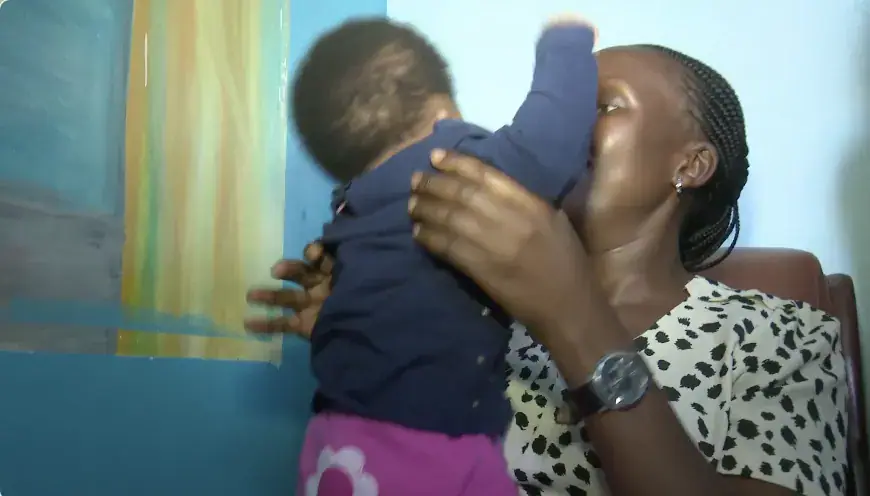
In Uganda, a shift in societal norms is taking place as some women are opting out of motherhood altogether. Traditionally, raising a child was a collective effort involving the entire village, including aunties, grandmothers, and neighbors. However, with the increasing cost of living and modern demands, this communal approach has given way to a more individualized and expensive endeavor. As a result, some women are reevaluating their choices and deciding not to have children.
The decision to forego motherhood is not taken lightly, and it is influenced by various factors, including financial stability and personal goals. With the rising costs of childcare, education, and healthcare, some women are finding it challenging to balance their careers and family responsibilities. Moreover, the pressure to conform to societal expectations is decreasing, allowing women to make choices that align with their individual aspirations.
According to NTV Uganda, this trend is part of a larger conversation about the changing roles of women in Ugandan society. As women become more empowered and independent, they are seeking to pursue careers, travel, and personal interests that may not be compatible with raising children. This shift is also driven by the increasing availability of education and family planning resources, which are enabling women to make informed choices about their reproductive health.
The choice to opt out of motherhood is not unique to Uganda, but it is a significant development in a country where traditional family structures have long been a cornerstone of society. As more women choose to forego motherhood, it is likely that societal attitudes and support systems will need to adapt to accommodate this shift. This may involve the development of new policies and programs that support women's reproductive choices and provide alternative forms of social support.
Some women who are choosing not to have children are finding support in online communities and social networks. These platforms provide a safe space for women to share their experiences, seek advice, and connect with others who have made similar choices. This sense of community and solidarity is essential for women who may face stigma or judgment from family and friends.
The trend of women opting out of motherhood has implications for Uganda's demographics and economy. As the population ages, there may be a decline in the number of working-age individuals, which could impact the country's economic growth and development. On the other hand, women's increased participation in the workforce and their pursuit of education and personal interests could lead to a more skilled and productive workforce.
Ultimately, the decision to have children or not is a personal one that should be respected and supported. As Ugandan society continues to evolve, it is essential to have open and honest conversations about the changing roles of women and the implications of these changes. By doing so, we can work towards creating a more inclusive and supportive environment for all individuals, regardless of their reproductive choices.
Key points
- Women in Uganda are choosing not to have children due to rising costs and modern demands.