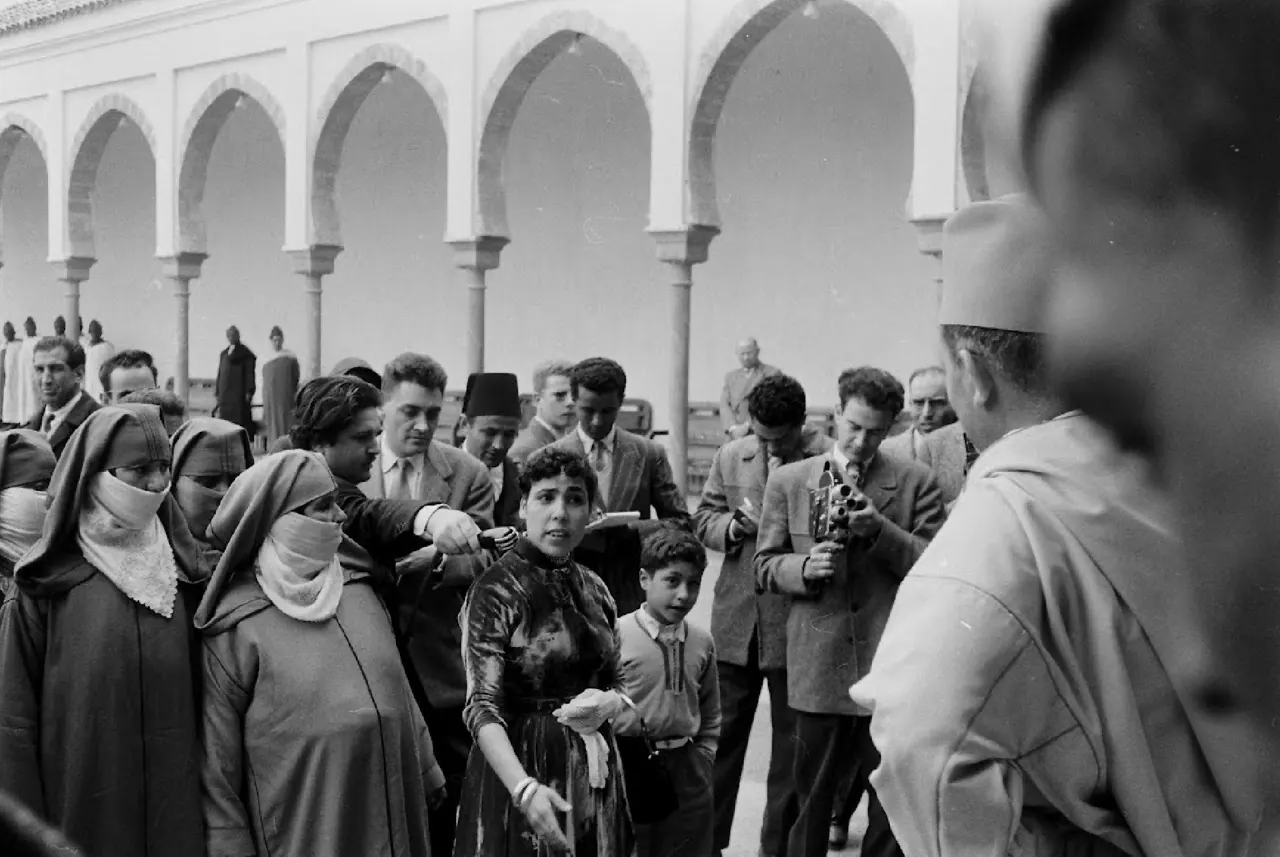
In Morocco, women have long been present in the royal court and have played a significant role in shaping the country's politics and society. Despite the traditional separation of men and women, Moroccan women have consistently found ways to exert their influence and participate in the country's governance. From the wives of sultans to the mothers of monarchs, women have been instrumental in shaping the course of Moroccan history.
One notable example of a woman who made a lasting impact on Moroccan history is the mother of Moulay Abd al-Aziz, who was known for her intelligence and strong personality. Born into a Circassian family, she was well-educated and played a crucial role in promoting her son's interests, ultimately helping him secure the throne. Her influence extended beyond the palace, as she formed alliances with key officials, including the Grand Vizier, to ensure her son's position.
The tradition of women playing a significant role in Moroccan politics continued through the centuries. During the reign of King Hassan II, women began to hold official positions in government for the first time. One notable example is Fatima Zahra Mansouri, who was appointed as the country's first female head of government. This marked a significant milestone in the country's progress towards gender equality.
The role of women in Moroccan society has been documented by foreign observers, including diplomats and journalists. American Consul Edmund Holt, who served in Morocco from 1907 to 1909, wrote about the lives of women in the royal court and their influence on the country's politics. He noted that women in the harem were highly respected and played a significant role in the country's governance.
Another foreign observer, journalist Walter Harris, who lived in Morocco from 1880 to 1933, wrote about the lives of women in the royal court and their daily experiences. He noted that the sultan's life was simple and austere, and that he was surrounded by a group of advisors and officials who played a significant role in governance. Harris also described the role of women in the palace, including their responsibilities and privileges.
One of the most significant milestones in the history of women in Morocco was the appointment of Lalla Aicha as ambassador to the United Kingdom in 1965. This marked the first time a Moroccan woman had held a high-ranking diplomatic position, and it was seen as a significant step forward for women's rights in the country. Lalla Aicha was the sister of King Hassan II and had been educated in Morocco and abroad.
The legacy of women in Moroccan politics and society continues to be felt today. Moroccan women have made significant strides in recent years, with many holding positions of power and influence in government, business, and civil society. The country's progress towards gender equality has been recognized internationally, and Morocco has become a model for women's empowerment in the Arab world.
Key points
- Moroccan women have historically played a significant role in shaping the country's politics and society.
- The appointment of Lalla Aicha as ambassador to the UK in 1965 marked a significant milestone in the history of women in Morocco.
- Women in Morocco have made significant progress in recent years, holding positions of power and influence in government, business, and civil society.