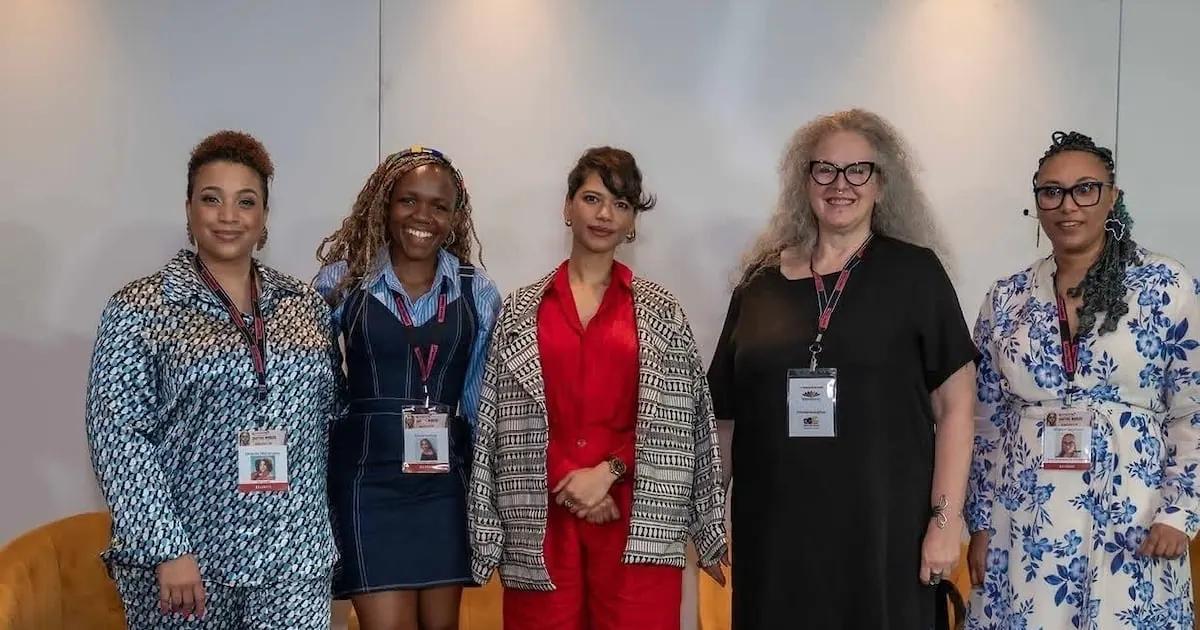
Women working in South Africa's film and TV industry face significant challenges when speaking out against sexual harassment and unfair treatment. According to Pearl Munonde, chairperson of Sisters Working in Film and Television, young women are often afraid to challenge inappropriate behavior because they fear it will negatively impact their future job prospects. This fear can lead to a culture of silence, allowing harassment to persist.
Despite progress in giving women a voice, more needs to be done to protect them. Munonde spoke at the Durban FilmMart event, highlighting the need for improved safety on film sets. Sisters Working in Film and Television is working to address this issue through various initiatives, including sexual harassment workshops, safety contact officers, and intimacy coordinators. However, these measures are not yet standard across the industry.
Safety contact officers play a crucial role in providing a reporting channel for cast and crew to report harassment, unfair labor practices, or other concerns. These officers are trained social workers with counseling experience who can support those affected by misconduct. They help individuals understand their options and the steps they can take to report an incident, providing a safe and confidential space to discuss their experiences.
However, the implementation of safety contact officers faces a significant funding challenge. Productions have to pay for these services, and many do not include safety contact officers in their budgets. Munonde emphasized the importance of making it mandatory for productions to have a safety contact officer on set. The organization is working towards this goal, but it requires support from the government and industry stakeholders.
The lack of funding and resources hinders efforts to make film sets safer for women. Munonde stressed that the government code of good practice addressing sexual harassment already exists but needs to be applied more effectively in the industry. Sisters Working in Film and Television is pushing for stronger protections and greater support from the government to address these issues.
Beyond safety concerns, women in the film industry need more opportunities to influence how films are made and how female characters are portrayed. Munonde argued that the dominance of men in technical roles affects how women are represented on screen. She called for more women to occupy positions where they can influence creative and business decisions, including directing, cinematography, and production management.
Other industry stakeholders, such as Miranda Ntshangase, co-owner of Star Quality performing arts college, emphasize the need for meaningful representation and stronger protection against sexual harassment and retaliation. Ntshangase called on the government, funding institutions, and industry bodies to make measurable commitments to improving women's position in the industry. Ultimately, the goal is to create a safer and more inclusive film industry where women can thrive.
Key points
- Women in South Africa's film industry face challenges in speaking out against harassment due to fear of losing job opportunities.
- The implementation of safety contact officers on film sets is crucial in addressing harassment, but faces funding challenges.
- Women need more opportunities to influence film production and character portrayal to improve representation and address objectification.