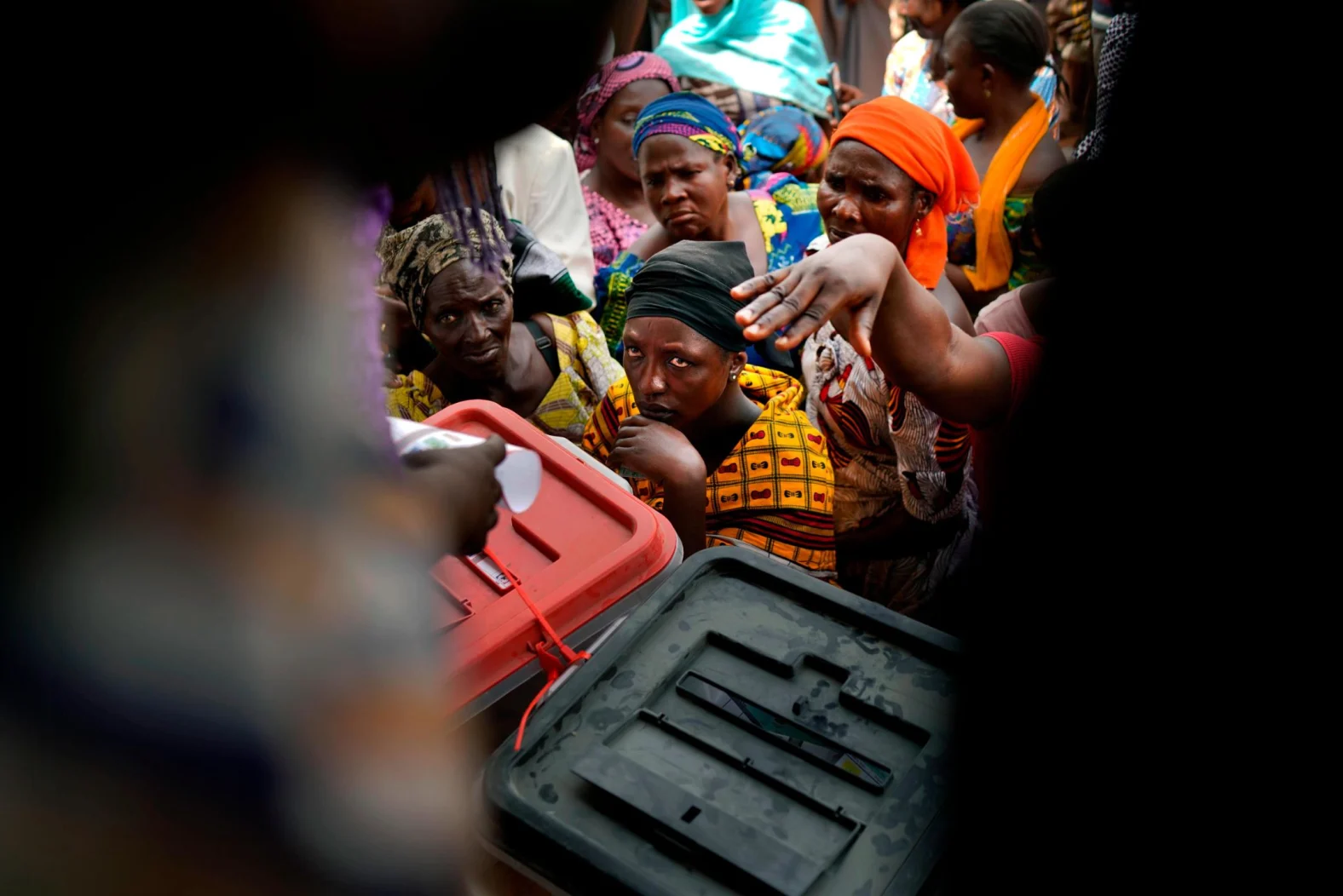
A recent study on barriers to women's political participation in Kaduna State has revealed that women participating in politics are sometimes branded "Karuwa", a derogatory Hausa term associated with a sexually immoral or "loose" woman. This stigmatisation is among the social and cultural barriers discouraging women from seeking political office. The study, conducted by Learn Legal Consult for Basileia Vulnerable Persons Rights Initiative, covered several local government areas in Kaduna State.
The study involved surveys, focus group discussions, and key informant interviews. Participants in a preliminary media-facing listening tour across selected local government areas said women politicians were sometimes judged by their character and sexuality rather than their leadership abilities. The use of the term "Karuwa" creates a form of social stigma capable of discouraging women from participating in politics, particularly in communities where political involvement by women is viewed negatively.
The report documented accounts of sexual harassment and inappropriate demands allegedly faced by women seeking political opportunities. One account described a situation where a woman was told that if she wanted political success, a man would have to touch her sexually. Sexual harassment could constitute a significant barrier to women's political participation. A woman who participated in the study described the political journey of women as "very long and sensitive".
The study identified financial constraints, political gatekeeping, godfatherism, unequal access to influential networks, family responsibilities, insecurity, and limited support from political parties as other barriers confronting women. The survey found that 71.1 per cent of respondents believed women found it harder to obtain political party tickets, while 47.4 per cent said political parties did not support women seeking political office.
The study also found that 71.1 per cent of respondents had experienced or witnessed political intimidation, while 57.9 per cent considered the political environment unsafe for women. On community support, only 5.2 per cent of respondents described their communities as supportive or very supportive of women participating in politics, while 47.4 per cent said they received little support.
The report highlighted political party structures as a major obstacle, with participants alleging that access to party leaders and influential networks could determine whether women were given a meaningful opportunity to contest. Participants repeatedly identified godfatherism and political gatekeeping as factors limiting women's access to political opportunities.
The study concluded that women's political exclusion in Kaduna was structural and multidimensional, requiring reforms within political parties, stronger protection against harassment and intimidation, improved access to campaign finance and networks, community engagement, and greater awareness of affirmative mechanisms for women. The study's central campaign message was: "Women can lead. The question is will Nigeria let them?"
Key points
- Women in Kaduna politics face stigma and harassment, including being branded "Karuwa", a derogatory term.
- The study identified financial constraints, political gatekeeping, and limited support from political parties as other barriers confronting women.
- The study called for reforms within political parties, stronger protection against harassment and intimidation, and improved access to campaign finance and networks.