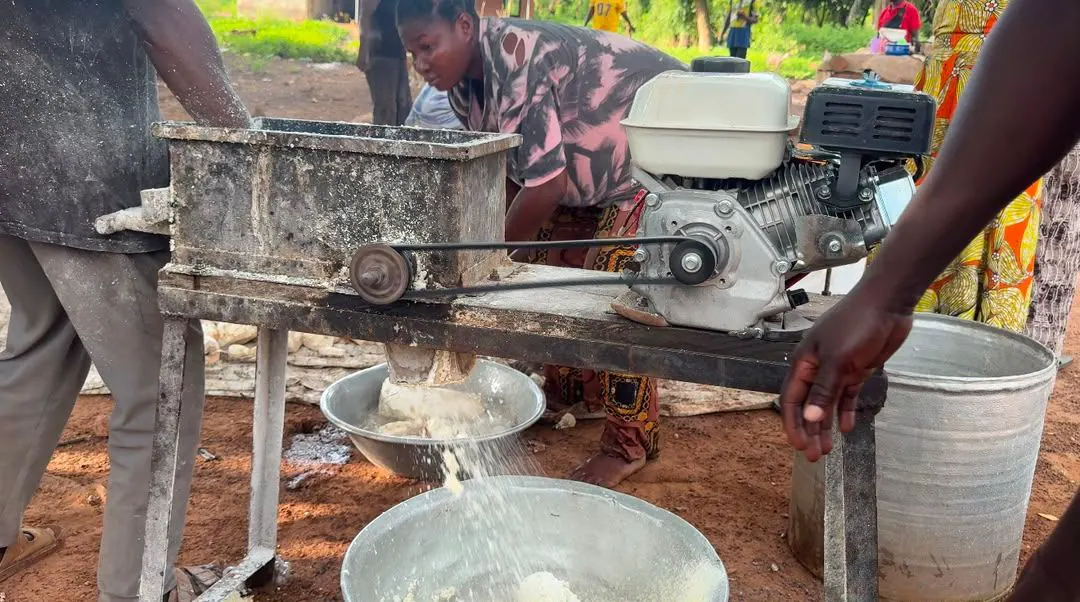
In the Balai community of Kpandai, Ghana, women have resumed manual gari processing, a labor-intensive task that has been their primary source of livelihood for years. Clara Kinyinkyde, a 29-year-old processor, begins her day before dawn, peeling, washing, grating, pressing, and frying cassava to produce gari. The traditional method is time-consuming and physically demanding, leaving the women with aching backs, stinging eyes, and stained hands.
A modern cassava-processing factory was commissioned on December 22 in Kpandai under the Rural Enterprise Programme (REP), part of the Ministry of Trade and Industry's One District, One Factory (1D1F) initiative. The factory aimed to transform the local cassava value chain by reducing the physical burden on women, creating jobs, improving incomes, and providing a ready market for farmers. However, the facility has remained idle due to electricity and equipment challenges.
The women of Balai and surrounding communities had initially welcomed the factory, hoping it would ease their workload and improve their earnings. However, payment disputes led to the arrangement collapsing, and the women were sent home. According to Clara Kinyinkyde, "We worked for some weeks, but payment became a problem. We were told to go home and that they would contact us. But they have not contacted us, so we returned to our old way of producing gari."
The traditional method of gari processing is not only labor-intensive but also limits the amount of gari a woman can produce in a day. Madam Mary, another processor, expressed her frustration, saying, "The factory is there, but we are not benefiting from it. We are the people doing the processing, and we are the ones suffering. If it starts operating, it will help us and create work for other people."
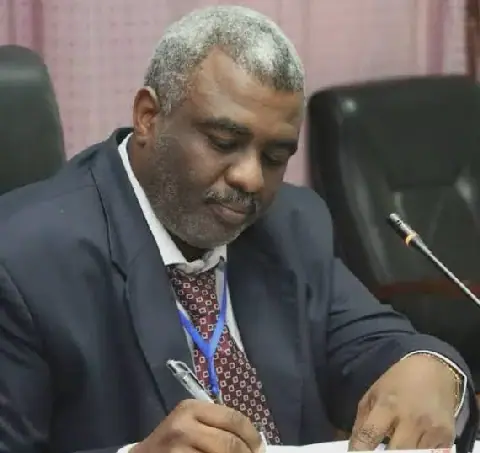
District Chief Executive Haruna Abdul-Karim acknowledged that the facility is not fully operational, despite being commissioned. He cited the need for a dedicated transformer and other essential machinery as the main challenges. The Assembly is engaging the Volta River Authority and other stakeholders to resolve the power challenge and get the factory up and running.
The idle state of the factory has significant human costs, particularly for the women who depend on it for their livelihood. An operational factory would mean shorter processing times, higher production, and relief from the physical demands of working beside smoky fires. The women are urging the authorities to fix the factory and allow them to work.
The women of Kpandai are not asking for charity; they are asking for the chance to work and improve their lives. As Madam Mary said, "We are only asking them to fix the factory and allow us to work." The situation highlights the need for effective implementation and maintenance of initiatives aimed at improving the lives of local communities.
Key points
- The cassava-processing factory in Kpandai, Ghana, remains idle due to electricity and equipment challenges, forcing women to return to manual gari processing.
- The factory was commissioned under the One District, One Factory initiative to transform the local cassava value chain and improve the lives of women in the community.
- The women of Kpandai are urging the authorities to fix the factory and allow them to work, citing the physical demands and limitations of traditional gari processing methods.