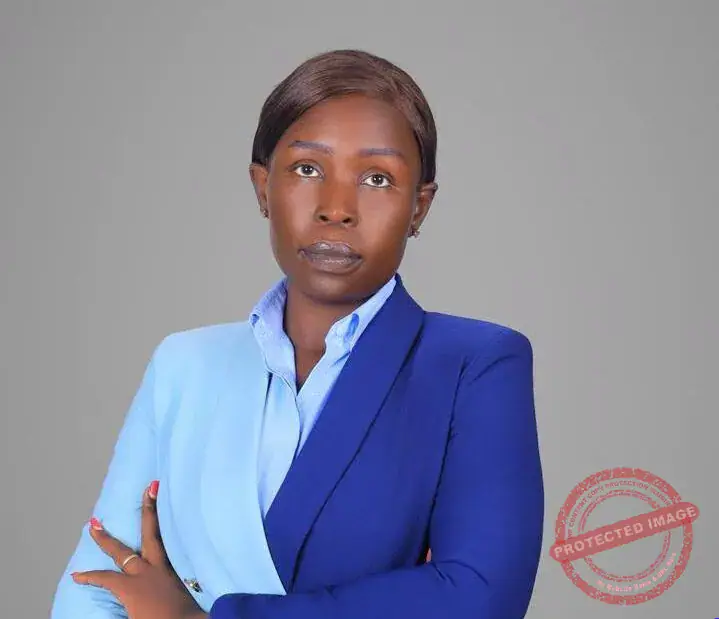
The chairperson of the South Sudan Women Advocates Association, Advocate Basfila Banisto, has accused some traditional leaders in South Sudan of violating women's rights. According to Banisto, these chiefs handle cases that are beyond their legal authority, particularly in cases of rape and murder. These cases should be referred to the appropriate courts, but instead, some chiefs order victims to marry perpetrators or accept compensation.
Banisto explained that traditional leaders sometimes handle rape cases by ordering victims to marry perpetrators or accept compensation instead of referring the matters to the courts. This practice is considered wrong as rape is a criminal offence. She also mentioned that some traditional leaders deny women their constitutional right to inherit property because of their gender. This is despite the Constitution granting women the right to inherit property.
The South Sudan Women Advocates Association chairperson emphasized the need to engage traditional leaders in discussions to make them aware of the limits of their authority. She suggested that chiefs should understand which minor cases they can handle and which serious offences, such as murder, must be referred to the High Court. This engagement aims to educate chiefs on the law and their role in upholding women's rights.
According to Banisto, some traditional leaders are unaware of the law and its implications on women's rights. As a result, they make decisions that are detrimental to women. The association is calling for greater engagement with traditional leaders to help them understand the law and the limits of their authority. This will enable them to make informed decisions that respect women's rights.
The issue of traditional leaders handling cases beyond their authority is a significant concern in South Sudan. Women's rights are often compromised in these cases, and it is essential to address this issue. The South Sudan Women Advocates Association is working to raise awareness about women's rights and the importance of respecting the law.
The association's efforts aim to promote gender equality and protect women's rights in South Sudan. By engaging traditional leaders and raising awareness about women's rights, the association hopes to create a more just and equitable society. This will involve working with various stakeholders, including government officials, traditional leaders, and community members.
Ultimately, the goal is to ensure that women's rights are respected and protected in South Sudan. This requires a collaborative effort from all stakeholders, including traditional leaders, government officials, and civil society organizations. By working together, it is possible to create a society where women's rights are valued and protected.
Key points
- Traditional leaders in South Sudan are accused of violating women's rights by handling cases beyond their authority.