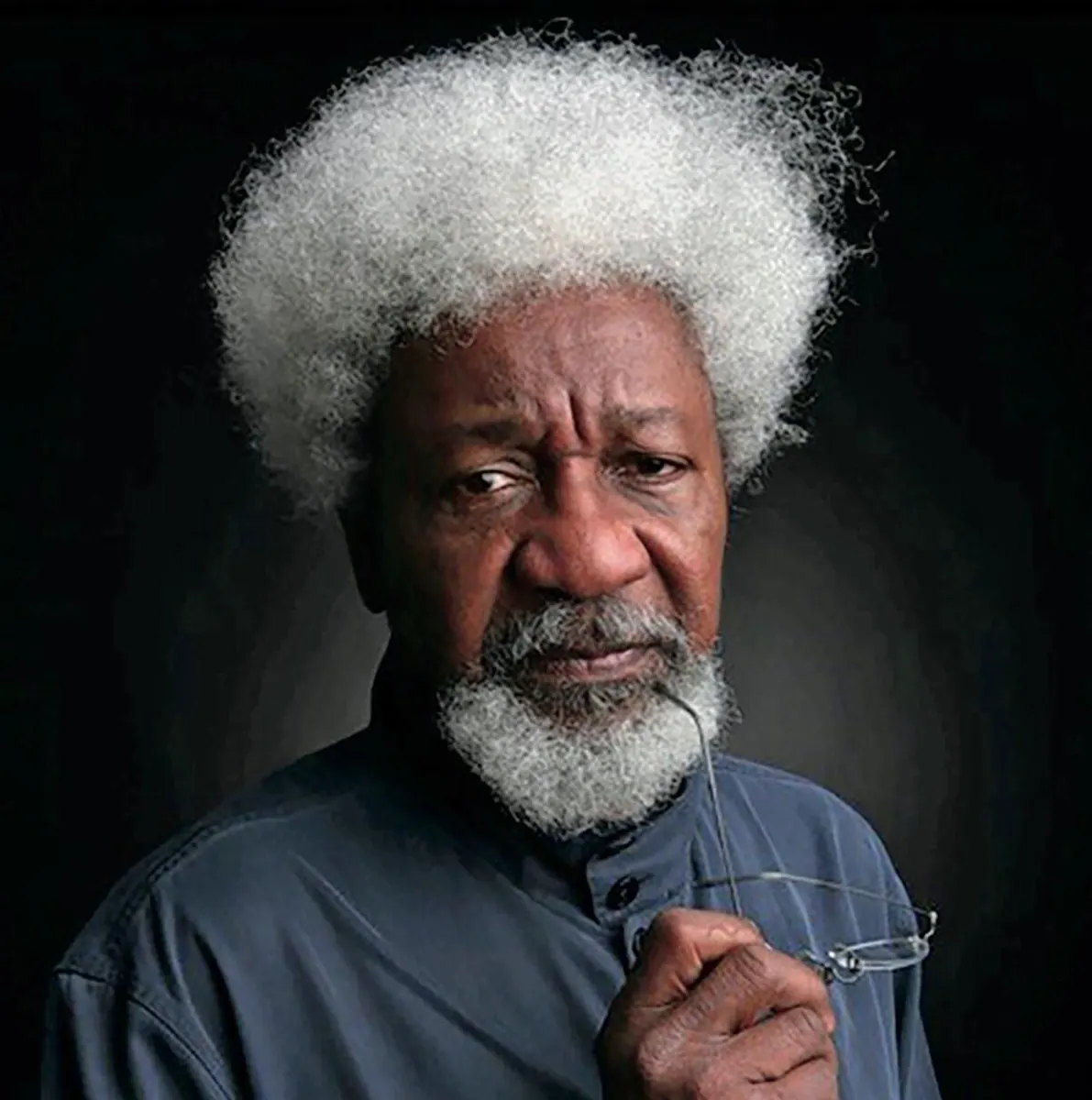
On October 1, 2026, Wole Soyinka, a celebrated Nigerian writer and Nobel laureate, published an open letter to Reverend Aburo, a priest who had reached out to him seeking guidance amidst a period of turmoil. Soyinka's letter was a response to the priest's entreaty for him to speak out against the recent caterwauling by public figures, which has caused distress to many, including Reverend Aburo. Soyinka acknowledged the priest's efforts to renew contact and foster communal understanding despite the distances between them.
Soyinka expressed his concern over the state of Nigeria, particularly in light of the nation's Independence celebrations. He described the recent commentaries and criticisms as an "orchestrated screech of sectarian desperation" triggered by his refusal to engage in emotive activities or nourish the thrill-seeking component of humanity. Soyinka emphasized that he had already spoken out on the matter and did not know where the problem lay, questioning whether there was a special language he needed to use to be heard.
The writer reiterated his commitment to truth-telling, stating that it was the most challenging and inspirational form of reciprocity. He expressed skepticism about the notion that "the truth shall make you free," but believed in the process of speaking out. Soyinka's letter was a preface to a more comprehensive tract he promised to publish within weeks, addressing the issues plaguing Nigeria.
Soyinka introduced himself contextually, highlighting his abhorrence of dictation and his right to judge what, when, and how he disseminated his ideas. He emphasized that he reserved the right to choose his battles and prioritize his civic worth, distinguishing between peace time and conflict. The writer seized on the opportunity to co-opt Reverend Aburo as a vector for his message, given the priest's entreaty and the nation's approach to its Independence celebrations.
Soyinka urged Reverend Aburo to devote special time to addressing a specific spiritual disorder plaguing Nigeria – a disorder of moral deficiency that threatened to turn the nation into a "Republic of Liars." He emphasized the importance of the ecumenical umbrella that should define the religious ministry and encouraged the priest to take a proactive role in addressing this issue.
The writer concluded his letter by acknowledging the inspiration behind his long letter, a literary work that provided the springboard for his exercise. He appeared as a testifier of vested interest, seeking objectivity in his critique. Soyinka's letter was a call to action, encouraging Reverend Aburo and others to speak out against the moral deficiency plaguing Nigeria and to prioritize truth-telling in their endeavors.
Key to Soyinka's message was his criticism of certain public figures, including a reference to a widely reported but unsubstantiated claim about President Tinubu. The writer's comments highlighted the need for accountability and good governance in Nigeria, emphasizing that the nation's progress depended on the moral integrity of its leaders.
Key points
- Wole Soyinka emphasizes the importance of truth-telling in addressing Nigeria's challenges.
- Soyinka urges Reverend Aburo to address the spiritual disorder of moral deficiency plaguing Nigeria.
- The writer criticizes public figures for their role in perpetuating moral deficiency and calls for accountability.