In Abidjan, Côte d'Ivoire, Franck Gozé founded Youth Education in 2015 to support young people in finding their place in the workforce. Gozé's own experiences with limited access to education as a child inspired him to create the organization. After working in the mining and oil sectors for nearly a decade, Gozé shifted his focus to education. He aims to change young people's mindsets, particularly by supporting children's education and helping them see possibilities beyond their qualifications.
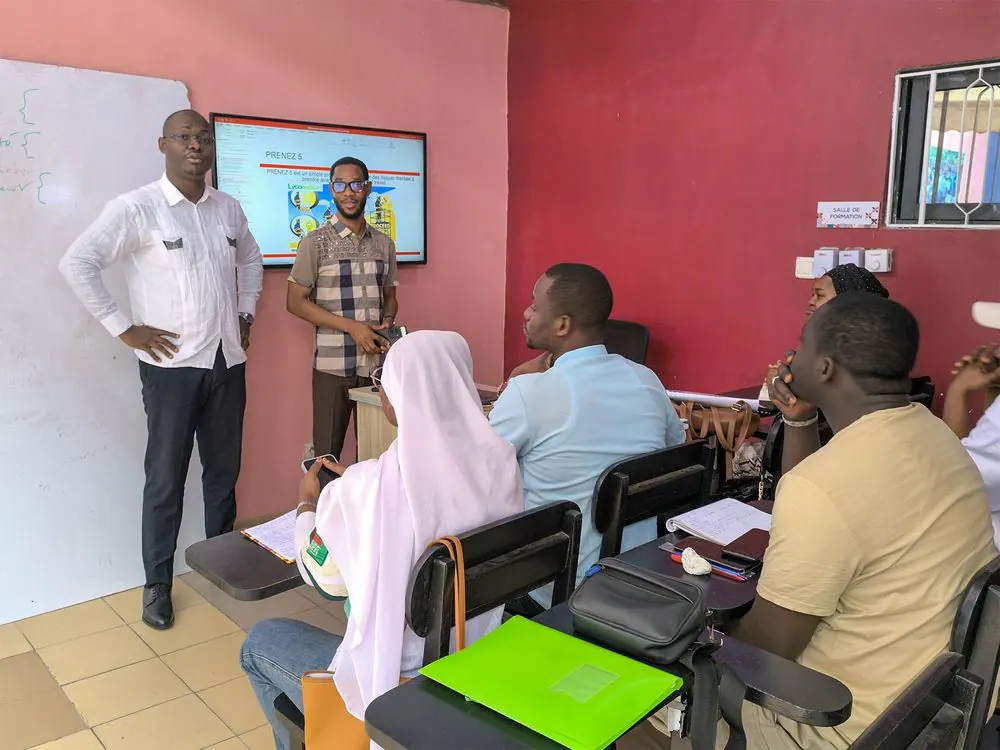
Youth Education's approach involves understanding each young person's ambitions and abilities while learning what employers need. The organization assigns employment counsellors to monitor young people's progress, improve their CVs, and identify company needs. Counsellors then match profiles with job openings and follow up with companies to ensure young people are succeeding in their roles. This approach goes beyond just finding job vacancies, as it also focuses on supporting young people after they start working.
Côte d'Ivoire faces significant challenges in its job market, with a large working-age population and high unemployment rates among young people. According to a 2026 report by the African Futures and Innovation Programme, 56.7% of the Ivorian population is in the 15-64 working-age group, which is expected to increase to 61.6% by 2043. A UNDP report put unemployment for the 15-24 age group at 3.9% in 2024, while citing World Bank data showing that 18.8% were neither employed nor in education or training in 2022.
N'Guessan Béraudy Stéphane, a young person who benefited from Youth Education's programme, spent about a year unemployed before joining the organization. He struggled to present his skills and identify suitable opportunities. Through the programme, Stéphane developed his communication, leadership, and decision-making skills, and gained the support and self-confidence he needed. He now works in logistics at a local company, managing inventory, procurement, and company resources.
Traoré Salimata's path took her from volunteering on Youth Education projects to a full-time role with the organization. She also worked with a local organization and experienced about six months of unemployment before finding stable work. Today, she manages procurement at Youth Education, after taking on responsibilities in administration, programmes, and accounting. Salimata credits Youth Education with teaching her valuable skills and providing her with a supportive environment.
Youth Education has made a significant impact, training 2,200 young people in capacity-building, civic engagement, and entrepreneurship. The organization reports that its education campaigns have helped 1,010 out-of-school students return to education, and that young people have carried out 310 sustainable development projects in their communities. Its work has expanded beyond Abidjan, with incubators in Bouaké, Daloa, and San Pedro, as well as the AY Solutions centre for youth incubation and employment integration.
Experts agree that programmes like Youth Education need to recognize that young people face different barriers. Consultant-trainer and soft-skills specialist Aquilas Yao emphasizes the importance of mentoring and tailored support. Gozé argues that employment support must also pay attention to the terms of a job and to how a young person fares once hired, ensuring they have decent work with good salaries, contracts, and compliance with International Labour Organization laws.
Key points
- Youth Education provides support to young people beyond just finding job vacancies.
- The organization focuses on helping young people develop skills and gain self-confidence.
- Youth Education has made a significant impact, training over 2,200 young people and helping 1,010 out-of-school students return to education.