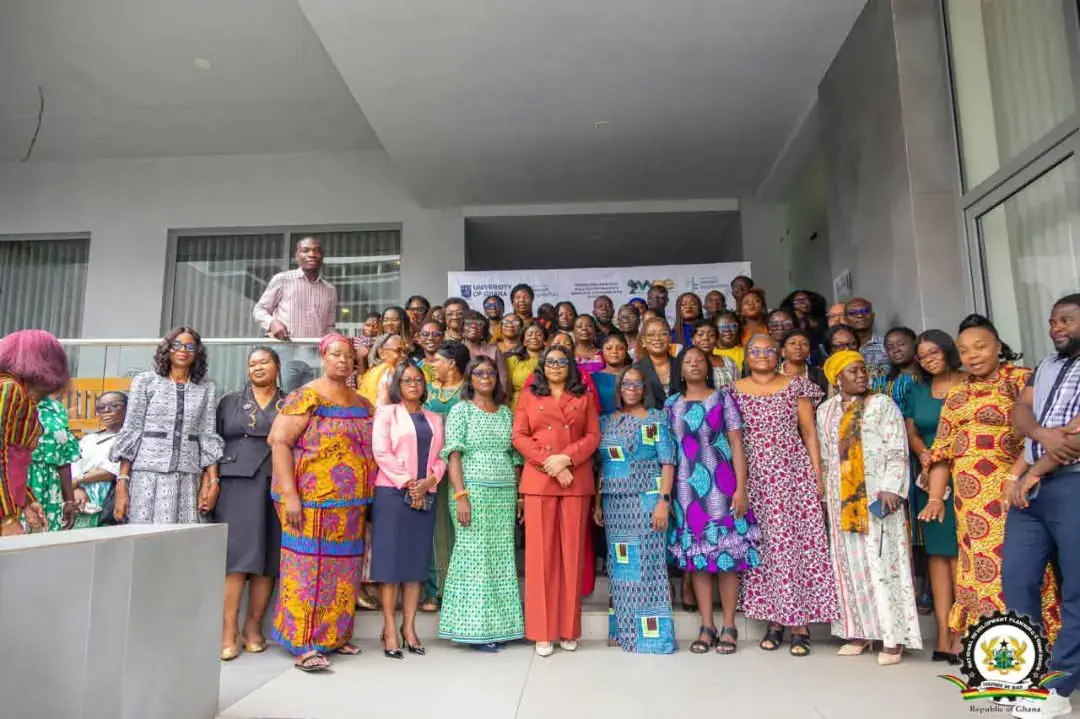
The Bank of Ghana (BoG) has assured stakeholders that the outcomes of the Women's Inclusion Project (WIP) research will help improve access to finance and enhance the well-being of Ghanaian women through greater financial inclusion. Second Deputy Governor of the BoG, Mrs Matilda Asante Asiedu, made this statement at the close-out conference of the Women's Economic Empowerment (WEE)-Ghana Project in Accra. The conference examined the impact of government policies on women's economic participation and well-being.
The WIP research focused on six thematic areas: government policy, resource mobilisation, expenditure, financial inclusion, digitisation, employment, and care work. The research aimed to advance the welfare and economic prospects of women in Ghana. Mrs Asiedu noted that the research report came at a crucial period when Ghana was developing its next financial inclusion strategy. The strategy will incorporate a financial health framework aimed at improving how individuals and households manage resources and withstand economic shocks.
The Bank of Ghana will ensure that findings from the research inform Ghana's second National Financial Inclusion and Development Strategy (NFIDS) for 2027-2031. As an adviser to the government, the BoG will continue to provide policy guidance and regulatory leadership on financial inclusion. The bank will draw on evidence-based recommendations from civil society organisations to strengthen policymaking. Mrs Asiedu cited the reduction in the monetary policy rate from 28 per cent to 14 per cent as an example of a policy intervention designed to make borrowing more affordable for citizens.
According to the World Bank's Global Findex Report 2025, Ghana has made significant progress in access to financial services. Account ownership has reached 81.2 per cent, compared with an average of about 68 per cent across Africa. However, Mrs Asiedu stressed that access to financial services should not be viewed as an end in itself. The focus must now shift towards ensuring meaningful use of financial services to support personal development, business growth, and community advancement.
Ghana's national conversation on financial inclusion is increasingly moving beyond access to issues of effective usage and financial health. Mrs Asiedu commended the Women's Inclusion Project for highlighting the transformative impact of women's economic empowerment on families and communities. The research shows that when women do well, they return more than half of their revenues and benefits to their families.
Empowering women economically and financially will bring ripple benefits for all Ghanaians, according to Mrs Asiedu. She urged participants to reflect on the evidence presented by the research and use it to shape discussions and policy interventions aimed at improving the lives of Ghanaian women. The BoG reaffirmed its commitment to supporting initiatives that promote women's economic empowerment and financial inclusion.
The Bank of Ghana's efforts to promote financial inclusion are ongoing. The bank's commitment to supporting women's economic empowerment and financial inclusion is expected to have a positive impact on the lives of Ghanaian women. With the WIP research findings informing the country's financial inclusion strategy, Ghana is expected to make progress in improving access to finance and enhancing the well-being of its citizens.
Key points
- The Bank of Ghana will use the Women's Inclusion Project research to inform its financial inclusion strategy and promote women's economic empowerment.
Reporting sources
- WIP research to shape Ghana’s financial inclusion strategy – BoG · Ghana News Agency