Africa's economic landscape is marked by a stark contradiction: despite being rich in natural resources, many countries on the continent struggle with poverty, unemployment, and weak industrialization. The abundance of oil, gas, uranium, gold, lithium, cobalt, copper, diamonds, and other strategic minerals has not translated to economic prosperity for many African nations. Instead, these resources are often extracted and processed elsewhere, leaving African countries with limited economic benefits.
Niger Republic's recent moves towards resource nationalism have brought this issue to the forefront. Since General Abdourahamane Tiani took power following the July 26, 2023 coup, his government has pursued greater control over Niger's natural resources. The nationalization of Société des Mines de l'Aïr, SOMAÏR, a uranium company operating in the Agadez region, is a significant example of this policy. This move has been seen as a way for Niger to assert its sovereignty over its resources and maximize economic benefits.
The nationalization of SOMAÏR, which was established in 1968 and began uranium production in 1971, has significant implications for Niger's economy. Before nationalization, French nuclear company Orano held 63.4 percent of the company, while Niger's state mining company, SOPAMIN, held 36.6 percent. Between 1971 and 2024, SOMAÏR produced 81,861 tonnes of uranium, with Orano taking 86.3 percent of the commercialized production. Niger's government has argued that this arrangement was unfair and that the country should have greater control over its resources.
Niger's government has taken further steps to assert its control over the country's resources. In August 2026, the government awarded the In Azaoua large-scale uranium mining permit to Teloua Safeguarding Uranium Mining Company, TSUMCO, a state company created to replace SOMAÏR. The government has also reassigned another uranium permit, Madaouela I, to the state-linked Madaouela Mining Company. These moves are part of a broader effort to strengthen Niger's negotiating capacity and increase the economic benefits accruing to the country.
The petroleum sector is also undergoing reforms in Niger. On June 12, 2026, Niger's Petroleum Minister, Hamadou Tini, announced that the government was reviewing the hydrocarbons code and preparing a new production-sharing contract model. The reforms aim to strengthen the state's negotiating capacity and increase the economic benefits accruing to Niger. The government also plans to review provisions relating to cost recovery by petroleum operators and stress the importance of training Nigerien professionals capable of negotiating more effectively with international companies.
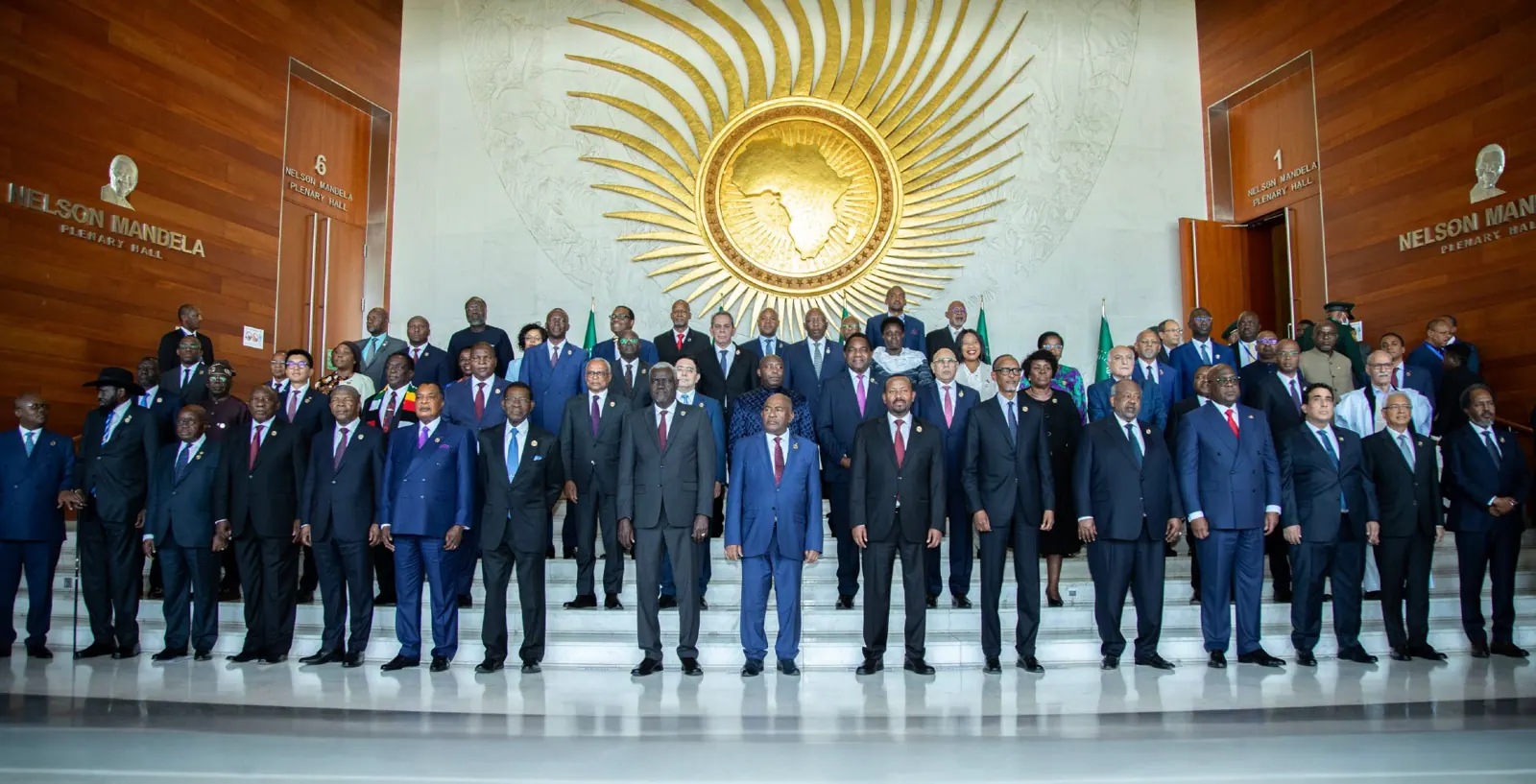
Niger's approach to resource nationalism has implications for the broader African continent. The African Union has recognized the need for African countries to move from being primarily suppliers of raw materials towards greater value addition, stronger local content, and higher returns from commodities. The African Development Bank estimates that Africa possesses about 30 percent of the world's mineral reserves and could capture more than 10 percent of the projected $16 trillion revenues from key green minerals by 2030.
The question is whether other African countries will follow Niger Republic's lead in resource nationalism. Botswana offers an important illustration of a country that has successfully managed its natural resources to achieve economic benefits. The country's diamond industry, jointly owned by the Government of Botswana and De Beers, has become a major contributor to Botswana's GDP. As Africa continues to navigate its economic future, the debate around resource nationalism and economic sovereignty is likely to intensify.
Key points
- Niger Republic's nationalization of uranium mines is part of a broader effort to assert control over its natural resources and maximize economic benefits.
- The African Union has recognized the need for African countries to move towards greater value addition and stronger local content in the extractive industries.
- Botswana's diamond industry offers an example of a successful partnership between a government and a foreign company in managing natural resources for economic benefit.