The World Wildlife Fund (WWF) has released its Living Planet Report 2026, which reveals a significant decline in wildlife populations in Africa. According to the report, the populations of mammals, birds, fish, reptiles, and amphibians in Africa have declined by 80% on average over the past five decades. This decline is part of a global trend, with the Living Planet Index (LPI) showing a 73% decline in vertebrate populations worldwide between 1970 and 2022.
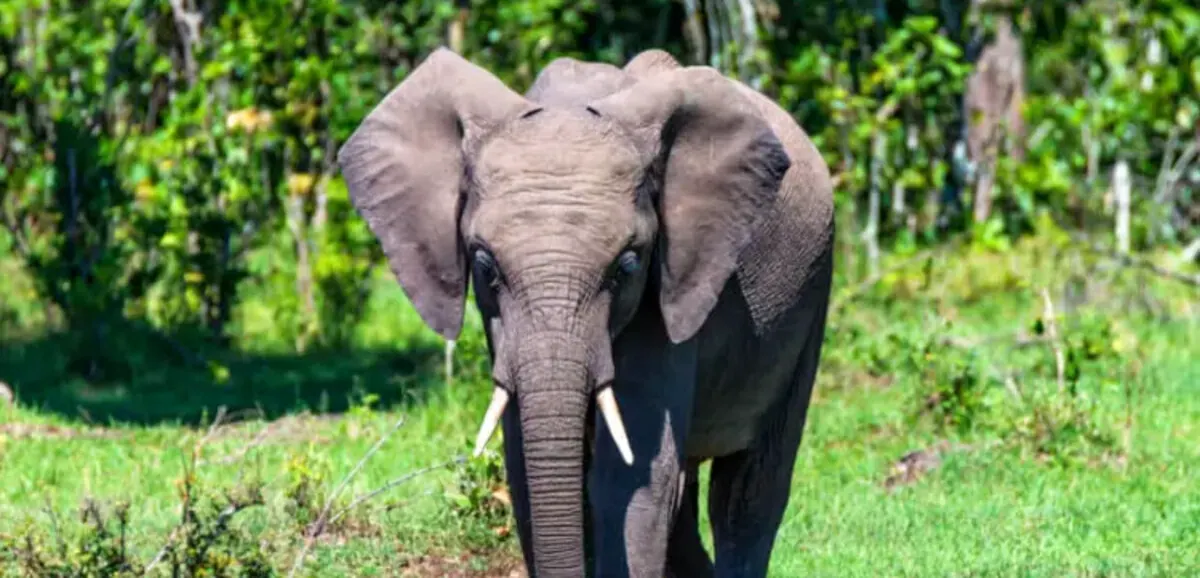
The decline in wildlife populations in Africa is attributed to various factors, including habitat loss and fragmentation, hunting, and climate change. The WWF notes that the Congo Basin, the second-largest tropical forest in the world, is under significant pressure due to agricultural expansion, logging, mining, and infrastructure development. These activities have led to the decline of iconic species such as the forest elephant, with populations declining by over 60% in recent decades.
The WWF report highlights that the decline in wildlife populations is not irreversible. The organization notes that some populations are stable or increasing, citing examples such as the recovery of green turtle and bluefin tuna populations, as well as tiger and certain African elephant populations. However, the report emphasizes that urgent action is needed to address the main drivers of biodiversity loss, including the unsustainable use of natural resources and climate change.
The WWF is calling for a transformation of the financial system to prioritize biodiversity conservation. According to the organization, there is a significant funding gap, with an estimated annual deficit of $942 billion needed to conserve biodiversity. In 2023, only $220 billion was allocated to conservation efforts, compared to $7.3 trillion spent on activities that harm the environment.
The decline in wildlife populations in Africa has significant implications for ecosystems and human well-being. The WWF notes that the loss of biodiversity can have cascading effects on ecosystem services, including pollination, pest control, and nutrient cycling. Furthermore, the decline of iconic species such as elephants and lions can have negative impacts on tourism and local economies.
The WWF is urging governments, businesses, and individuals to take action to address the decline in wildlife populations. This includes reducing consumption of unsustainable products, supporting conservation efforts, and promoting sustainable land-use practices. By working together, it is possible to reverse the decline in wildlife populations and protect the natural world for future generations.
Key points
- The WWF report highlights the urgent need for action to address the decline in wildlife populations in Africa, with habitat loss and hunting major contributors to the decline.
- The decline in wildlife populations is not irreversible, with some populations stable or increasing, according to the WWF.
- The WWF is calling for a transformation of the financial system to prioritize biodiversity conservation, with an estimated annual deficit of $942 billion needed to conserve biodiversity.