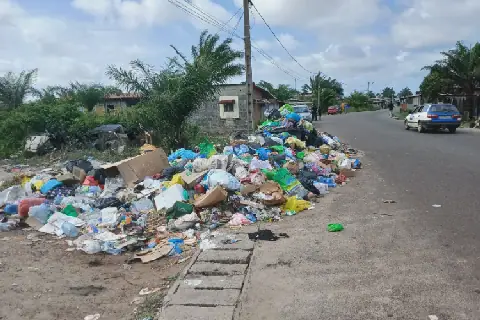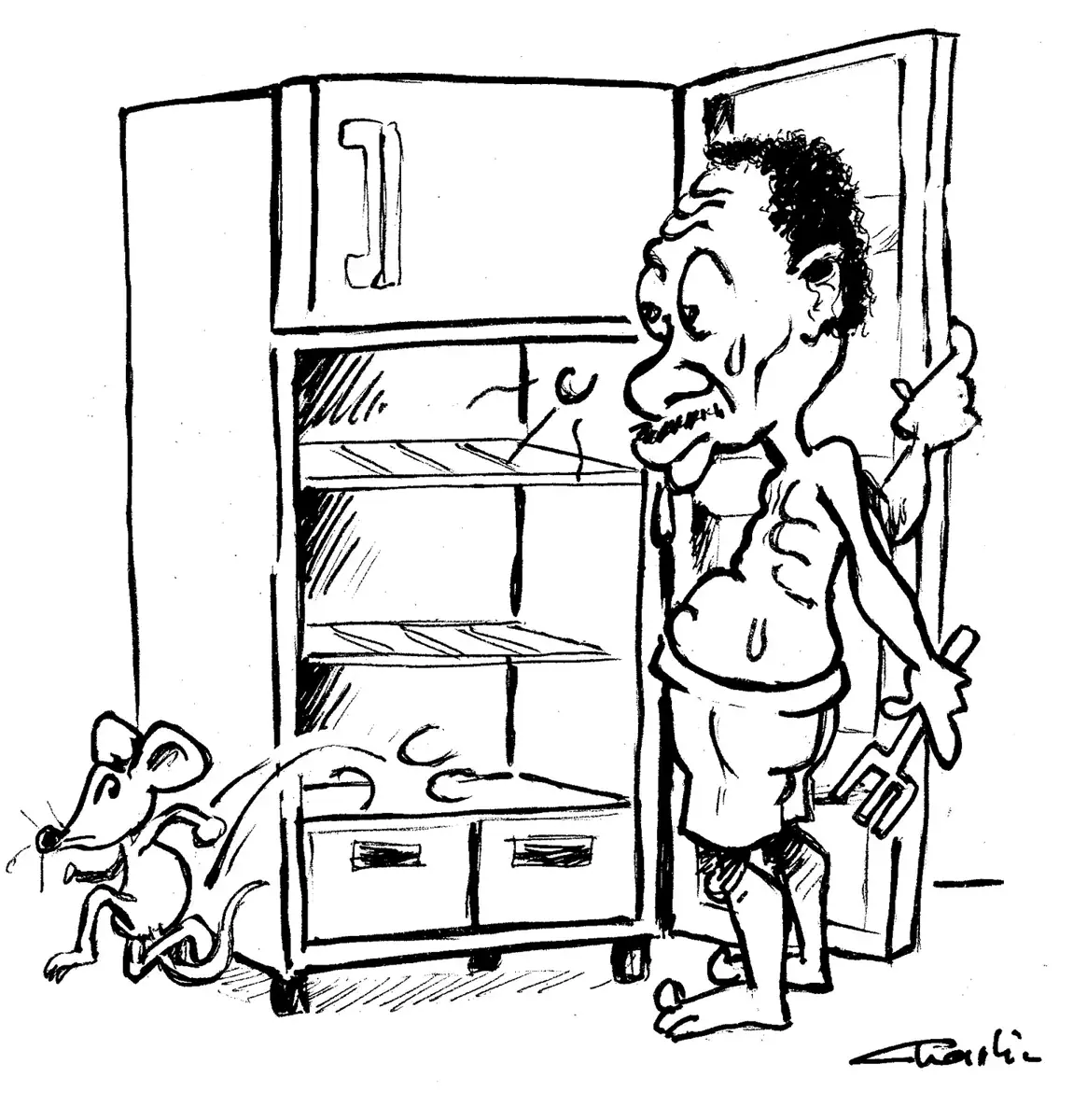
In Guinea, a growing sense of discontent has settled over the population as economic hardships continue to mount. Despite having a steady supply of electricity, many citizens struggle to afford basic necessities. The cost of living has become increasingly unaffordable, with even everyday items like mangoes becoming a luxury. This stark contrast to the lavish lifestyles of the country's wealthy elite has only added to the frustration.
The issue of corruption remains a significant concern, with many feeling that those in power are more interested in enriching themselves than in serving the people. The recent comments by Lansana Conté, a former leader, about the need to address corruption have been echoed by many citizens. However, with the current administration's efforts to build new prisons, some question whether this will truly address the root causes of the problem.
The justice system in Guinea is also facing challenges, with the Crief, the country's anti-corruption agency, reportedly overwhelmed with cases. The prison population has swelled, leading to concerns about conditions and the ability of the system to effectively address the issue of corruption. This has led some to call for more comprehensive solutions to address the problem.
The healthcare system in Guinea is also under strain, with many citizens struggling to access basic medical care. The lack of resources and infrastructure has led to a situation where patients are often required to bring their own medical supplies, and those who cannot afford to do so may be turned away. This has only added to the sense of desperation and frustration among the population.
The issue of governance has also come under scrutiny, with many questioning the effectiveness of the current administration. The prolonged transition period and lack of transparency have led to concerns about the country's democratic trajectory. The judiciary has also been criticized for its perceived bias towards those in power.
The economic situation in Guinea has become increasingly dire, with many citizens struggling to make ends meet. The cost of food has risen, and many are forced to rely on meager rations. The situation has become so bad that some have resorted to eating leaves and other non-traditional food sources. This has led to concerns about the country's food security and the impact on vulnerable populations.
Despite the challenges facing Guinea, many citizens remain hopeful that the situation will improve. There is a sense that the country needs a miracle, whether it be in the form of economic growth, good governance, or a renewed focus on the needs of the population. Until then, many will continue to struggle, but also continue to hold onto the hope that a better future is possible.
Key points
- The economic situation in Guinea has become increasingly dire, with many citizens struggling to make ends meet.
- Corruption remains a significant concern, with many feeling that those in power are more interested in enriching themselves than in serving the people.
- The justice system in Guinea is facing challenges, with the Crief reportedly overwhelmed with cases.