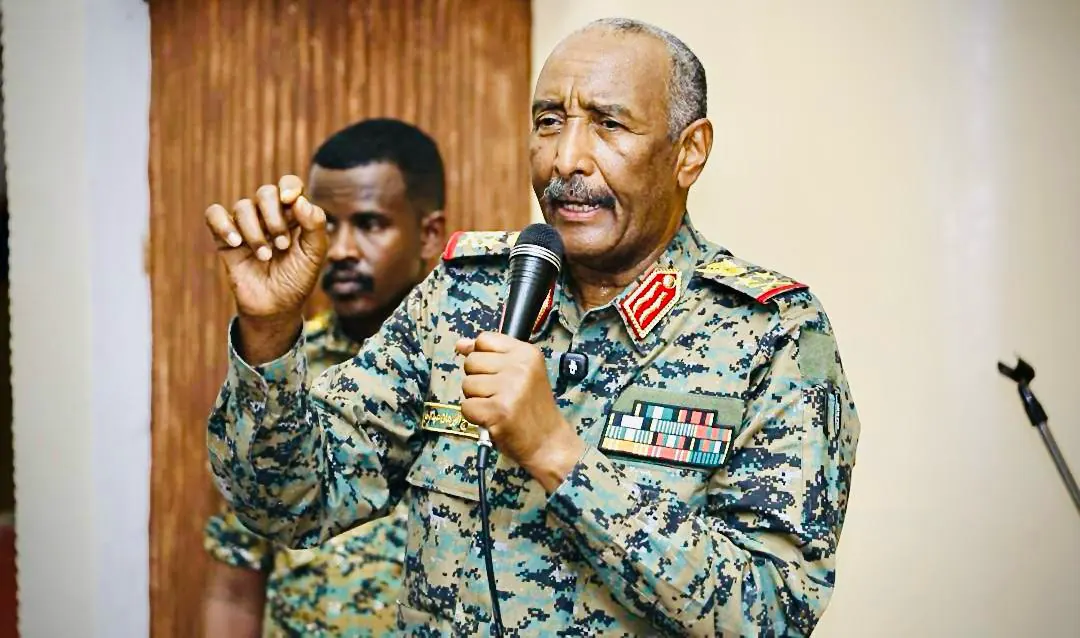
The decision by the United States to deny a visa to Sudan's Chief of the Transitional Sovereign Council, Abdel Fattah al-Burhan, has elicited a wide range of reactions. Al-Burhan was invited to participate in the United Nations General Assembly and address the gathering. According to a report by Reuters, a Sudanese diplomatic source and a Western analyst close to American and Sudanese officials stated that the issuance of the visa was conditional on al-Burhan's agreement to sign a 90-day ceasefire proposed by US Advisor for Arab and African Affairs, Masood Pulus.
A legal analysis by Nabil Adib, a legal expert, sheds light on the crisis surrounding the denial of a US visa to al-Burhan. Adib explained that the issue is governed by international law and agreements regulating the work of UN institutions. He emphasized that the situation cannot be evaluated based on US domestic laws related to immigration and border control. The primary reference for this situation is the 1947 UN Headquarters Agreement between the UN and the US, which obliges the host country to facilitate the movement of delegates and official representatives of member states.
The UN Headquarters Agreement, specifically articles 11 to 13, stipulates that the US authorities cannot impose obstacles or restrictions that limit the access of member state representatives to or from the UN headquarters in New York. The agreement also states that visas should be granted to delegations and representatives of states as quickly as possible and free of charge. Adib stressed that this obligation is automatic, regardless of the political or diplomatic relations between the US government and the concerned state.
Al-Burhan has expressed his refusal to accept external directives regarding the war in Sudan. In an article published in the US magazine Foreign Policy, he stated that previous ceasefires had only enabled the Rapid Support Forces and their supporters to reorganize. The Sudanese Ambassador to the UN, Harith Idris, has urged UN Secretary-General Antonio Guterres to intervene with the US authorities to ensure the issuance of a visa. Idris warned that if the situation persists, the head of a UN member state would be effectively barred from participating in the General Assembly.
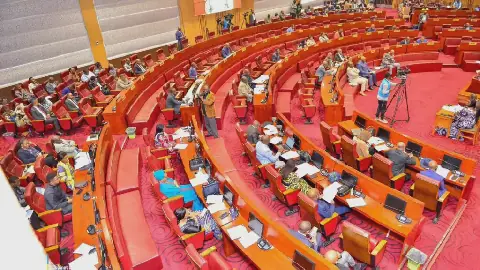
The UN General Assembly's high-level meeting is being attended by around 130 heads of state and government. The general debate is scheduled from September 22 to 26 and will resume on September 28, preceding a special meeting on nuclear weapons on September 29. A high-level ministerial meeting on the Sudanese crisis was held as part of the Assembly's activities. Egypt, Saudi Arabia, Turkey, and Pakistan also held a meeting, reaffirming their commitment to the unity of Sudan and its legitimate institutions.
The reactions to the US denial of a visa to al-Burhan highlight the complexities surrounding the participation of world leaders in UN events. The situation underscores the tensions between the US and Sudan, as well as the implications for the UN's role in promoting international cooperation and diplomacy. The outcome of this situation remains uncertain, with many stakeholders closely watching the developments.
The issue has sparked concerns about the ability of UN member states to participate in the organization's activities. The UN Secretary-General has expressed his concerns about the situation, emphasizing the importance of respecting the commitments of the host country. The situation is being closely monitored by the international community, with many calling for a resolution that allows al-Burhan to participate in the General Assembly.
Key points
- The US denial of a visa to Sudan's Chief of the Transitional Sovereign Council, Abdel Fattah al-Burhan, has sparked wide reactions.
- A legal expert has argued that the US decision is governed by international law and agreements regulating the work of UN institutions.
- The situation has implications for the UN's role in promoting international cooperation and diplomacy.