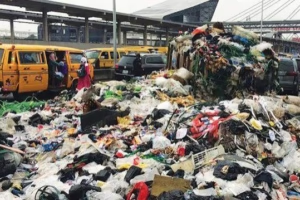
Many Nigerians take pride in keeping their homes clean, but public spaces tell a different story. Streets, markets, drainage channels, and other shared areas are often filled with litter, raising concerns about environmental cleanliness. This contrast between private and public spaces has sparked a broader discussion about the reasons behind the rapid deterioration of public spaces. Environmental experts point to a combination of factors, including inadequate waste-management systems and individual behavior.
The problem of dirty public spaces is exacerbated by the way people perceive shared areas. When individuals view public spaces as someone else's responsibility, littering and improper waste disposal become normalized. Plastic bottles, food packaging, nylon bags, and other forms of waste accumulate in streets and drainage channels, affecting not only the appearance of communities but also posing public health concerns. The impact of poor waste management is felt across various aspects of urban life.
Poorly maintained public spaces can significantly affect the quality of urban life. Accumulated waste produces unpleasant surroundings, reduces the usability of communal areas, and contributes to environmental degradation. Furthermore, clogged drainage systems can cause flooding, which can lead to property damage and displacement of residents. The consequences of neglecting public spaces are far-reaching and underscore the need for a comprehensive approach to address the issue.
Effective waste-management systems are crucial to maintaining clean public spaces, but their impact can be strengthened when residents also take responsibility for how waste is disposed of. Building cleaner communities requires a shared approach involving citizens, local authorities, waste-management operators, businesses, and community organizations. By working together, these stakeholders can develop and implement effective waste-management strategies that address the root causes of the problem.
Public education and consistent enforcement are essential components of a successful waste-management strategy. Educating residents about the importance of proper waste disposal and the consequences of littering can help encourage responsible environmental practices. Additionally, consistent enforcement of waste-management regulations can deter individuals and businesses from engaging in environmentally harmful behaviors.
The challenge of maintaining clean public spaces is not only about where waste goes after it is collected but also about how people interact with the spaces they share. Treating public spaces with the same level of care given to private surroundings can contribute to cleaner streets, more functional drainage systems, and healthier urban environments. By fostering a culture of collective responsibility, Nigerian communities can work towards creating sustainable environments.
Creating sustainable communities in Nigeria depends on both effective environmental systems and a culture of collective responsibility. By addressing the root causes of dirty public spaces and working together to implement effective waste-management strategies, residents, local authorities, and other stakeholders can build cleaner, healthier, and more sustainable communities. This collective effort can have a lasting impact on the quality of urban life in Nigeria.
Key points
- Effective waste-management systems are crucial to maintaining clean public spaces.
- Public education and consistent enforcement are essential components of a successful waste-management strategy.
- Building cleaner communities requires a shared approach involving citizens, local authorities, waste-management operators, businesses, and community organizations.