As Nigeria's presidential campaigns for the 2027 general elections intensify, citizens are faced with a fundamental question: what kind of leadership can translate public policy into measurable improvements in their lives. The country is currently grappling with a rising cost of living, making basic survival an exhausting daily struggle for ordinary families. Food, transportation, housing, and other essentials have become increasingly difficult to afford.
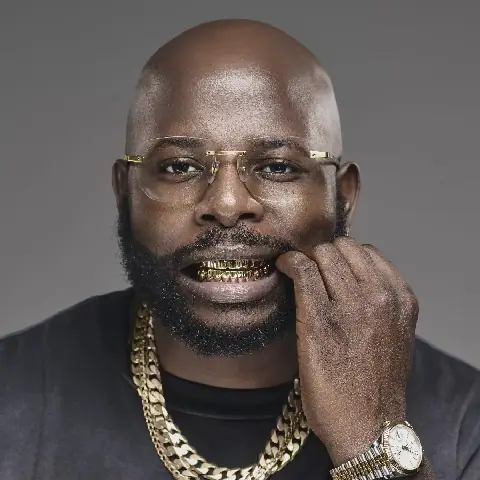
The economic reality confronting Nigerians has sparked a national conversation about the kind of leadership the country needs. Recently, Afrobeat star Davido challenged Nigerian politicians to be like Peter Obi, publicly disclosing how they became wealthy. This challenge resonates with many Nigerians, including students like Precious Akudo Onwukwe, who is studying in Ghana. Onwukwe expressed concern about President Bola Tinubu's prolonged absence from the campaign trail, currently holidaying in Europe.
Peter Obi, the presidential candidate of the Nigeria Democratic Congress (NDC), has presented a blueprint that appeals to many Nigerians, including Onwukwe. Obi's approach focuses on addressing the country's economic, social, security, and other challenges. However, his blueprint has also made him a target of attacks, particularly from Governor Charles Chukwuma Soludo, who seems to be working for the ruling All Progressives Congress (APC) to ensure President Tinubu's re-election.
A recent report by the International Monetary Fund (IMF) shows that 63% or 140 million Nigerians live at or below the poverty line. Additionally, humanitarian agencies estimate that 35 million people will need food assistance during the 2026 lean season. Onwukwe, who recently returned to Ghana after spending two months in Nigeria for her clinicals at a Military hospital in Lagos, witnessed firsthand the struggles of coping with the cost of living crisis.
Nigeria's poverty paradox is glaring, with only a few people able to afford essential items, including basic drugs. Onwukwe saw patients pass away because they couldn’t afford prescribed medication. She agrees with Obi that leadership is Nigeria's main problem. Obi's meeting with young Nigerian professionals in Washington DC, USA, showcased his approach to leadership, which prioritizes putting the people first and treating public resources as a trust.
Obi's eight-year tenure as Governor of Anambra State provides an important case study in fiscal prudence, accountability, and public-sector management. His approach was heavily influenced by the discipline of the private sector: reducing waste, prioritizing investment, and treating public resources as resources held in trust. This experience has led many to consider his record as a viable alternative to the current leadership.
The removal of the fuel subsidy by President Tinubu on May 29, 2023, was presented as a necessary step toward reforming Nigeria's corrupt system. However, the central issue is what happened to the resources supposedly freed by its removal, approximately N15.8 trillion in savings over three years. Nigerians are entitled to demand a clear account of how those resources have been managed and where the money has gone.
Key points
- Peter Obi's blueprint offers a hands-on solution to Nigeria's economic, social, security, and other challenges.
- Obi's record as Governor of Anambra State showcases his approach to fiscal prudence, accountability, and public-sector management.
- The management of public resources and transparency in governance are crucial to evaluating the success of economic reforms in Nigeria.