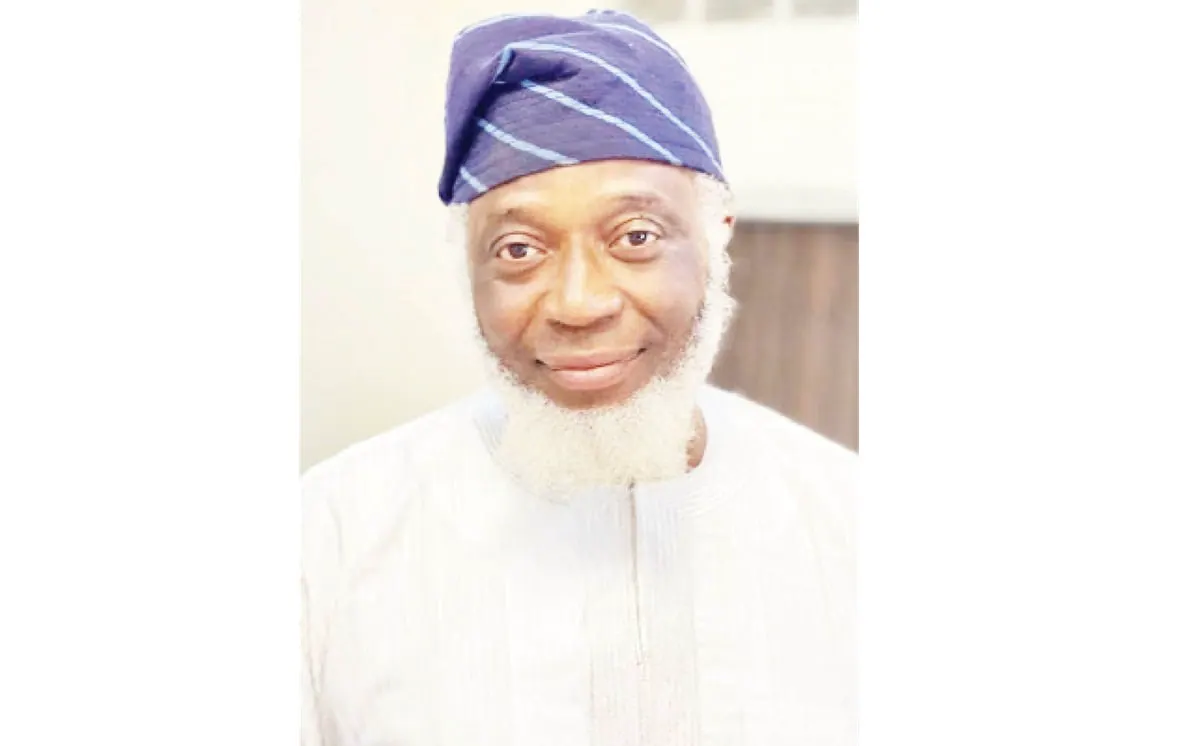
As Nigeria marks its 66th Independence anniversary, the country continues to face numerous challenges. According to Mallam Shehu Bankole-Hameed, chairman and coordinator of Team Prosper, the nation's economic struggles are rooted in poor management, inefficiency, and mismanagement of resources. He notes that the country's economic managers, both military and civilian, have failed to understand what drives growth and have been plagued by a lack of accountability.
Bankole-Hameed also highlights the country's political challenges, citing the emergence of three major regions in the First Republic and their failure to address political unity and stability. He notes that the military's incursion into politics, ostensibly to correct corruption, has had lasting impacts on the quality of political space and participation in Nigeria. The Biafrans' quest for autonomy and the recent Abuja discourse, where the Igbos made claims to a land rejected by its owners, have contributed to ongoing distrust and suspicion among geopolitical zones.
Despite these challenges, Bankole-Hameed points to the late sage, Chief Obafemi Awolowo, as a leader who raised hopes for a prosperous Nigeria. Awolowo's policies and programs were anchored on unfettered access to education, which Bankole-Hameed believes is crucial for the country's growth. He notes that succeeding generations of leaders neglected the education sector, which limited the country's economic space and capacity for growth. However, he sees a ray of light in the current administration's focus on education, led by the Minister of Education, Chief (Dr) Tunji Moruf Alausa.
Many Nigerians believe that the country should have made more progress since returning to civil rule in 1999. Bankole-Hameed disagrees, arguing that there has been noticeable progress in infrastructural development, education, and financial services. However, he acknowledges that gaps exist and that progress must be measured region by region. The Northern Region, in particular, has been affected by poor leadership, religious strife, and terrorism.
The All Progressives Congress (APC) promised to restore smiles to Nigerians' faces after 16 years of PDP rule. Bankole-Hameed attributes the party's failure to address the issues of petroleum subsidy and FX subsidy, which drained resources meant for development. He notes that the current administration, led by President Bola Ahmed Tinubu, is addressing some of these issues, but gaps still exist.
The ongoing campaigns by presidential candidates and parties have been criticized for neglecting core issues affecting citizens. Bankole-Hameed believes that the parties, including the ruling party, must focus on critical issues to regain the trust of Nigerians. He emphasizes that the constant struggle to balance different interests is a great challenge and that divisive rhetoric and politics must be curtailed for the country to make progress.
Bankole-Hameed concludes that Nigeria has real opportunities for growth if the country can overcome its challenges. He emphasizes the need for Nigerians to forge ahead, ignoring divisive tendencies, and for leaders to prioritize education, accountability, and good governance. The country's future depends on its ability to address these critical issues and create a more prosperous and united nation.
Key points
- Nigeria's progress is hindered by poor leadership, inefficiency, and mismanagement of resources.
- The country's education sector has been neglected, limiting its economic space and capacity for growth.
- The ongoing campaigns by presidential candidates and parties must focus on critical issues affecting citizens to regain their trust.