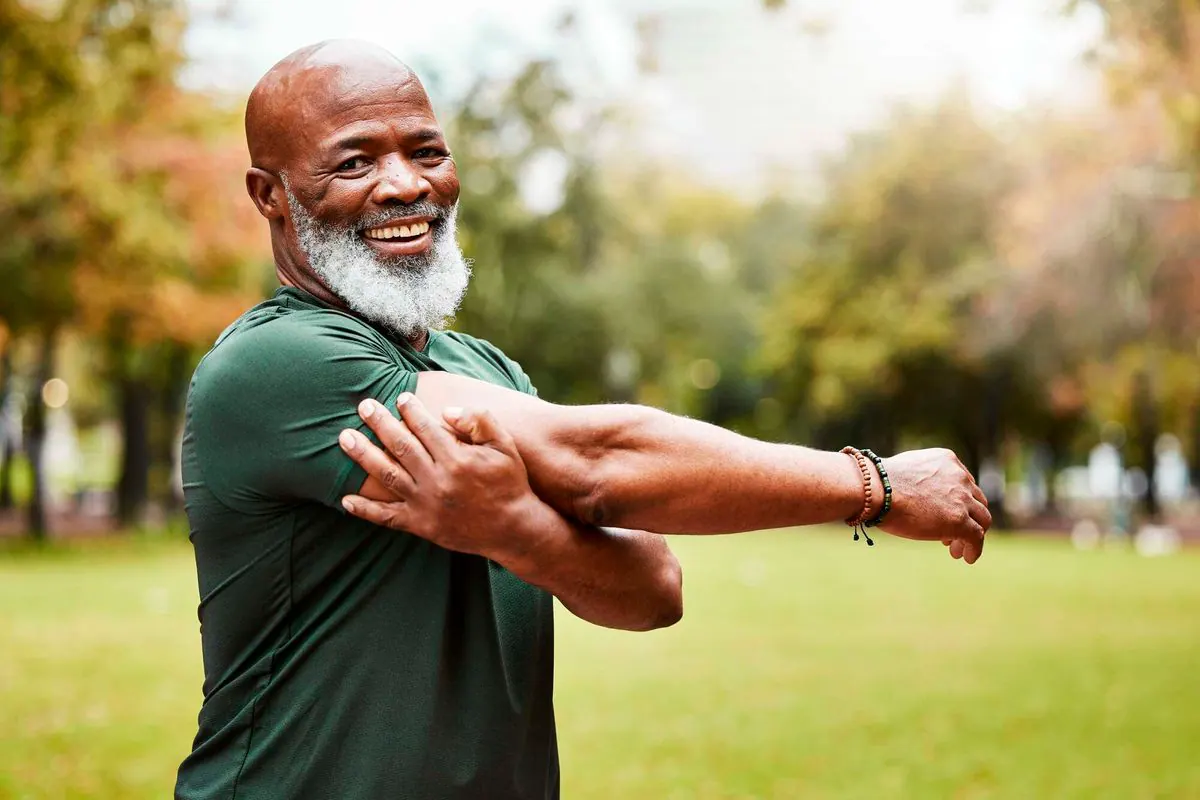
Managing teams and leading companies is becoming increasingly challenging due to volatile markets and complex problems. Leaders often feel overwhelmed, neglecting their physical wellbeing despite its importance for peak performance. A recent management enhancement programme highlighted this issue, with many participants admitting to prioritizing work over physical health. However, one sales manager shared her success story of maintaining a consistent morning workout routine, which gave her the energy to face the day.
The sales manager's morning ritual consisted of a 30-minute run and 20-minute strength training session, Monday to Friday, and a Saturday morning walk. She prioritised being in good shape and health, believing it essential for achieving much. Her story encouraged the group, and they concluded by setting a date for an outdoor activity. The purpose of physical activities was not just to promote physical wellbeing but also to strengthen essential leadership competencies, including effective communication, teamwork, and decision-making.
Good health, both physical and mental, is a critical yet often underrated component of effective leadership and management. It serves as the foundation for the cognitive, emotional, and physical energy required to lead teams, make high-stakes decisions, and foster a productive organisational culture. Leaders who prioritise their physical wellbeing are better equipped to manage stress, model positive behaviours, and avoid burnout, directly influencing team performance and organisational sustainability.
Prioritising fitness and taking care of one's body enables leaders to bring more energy, attention, focus, and mental clarity to their leadership. This spirit is contagious, inspiring trust, boosting morale, and helping teams perform at their best, consequently increasing productivity. By conveying the importance of physical and mental wellness, leaders contribute to shaping the organisational culture and promoting productivity.
Numerous studies have demonstrated that regular physical activities enhance cognitive performance, including memory, attention, focus, problem-solving skills, strategic thinking, and decision-making. These attributes are critical for leaders who must process complex information and make timely, strategic decisions. Physical activities also reduce stress by lowering cortisol levels and releasing endorphins, helping leaders stay calm and poised under pressure.
Maintaining a consistent workout routine requires discipline, goal setting, and perseverance, qualities that are also essential for guiding teams towards desired goals or visions. Leaders who exhibit these habits often set a strong example, promoting a culture of accountability, trust, and commitment. Resilience and mental toughness help leaders approach setbacks with a mentality that every failure is an opportunity to learn, refine, and improve.
Investing in physical fitness is not just personal; it is a leadership tool and a great advantage that contributes to shaping the organisational culture. The benefits of a leader's commitment to physical fitness include reduced absenteeism, more focused meetings, higher employee retention, and reduced HR cases. By prioritising their physical wellbeing, leaders can make a lasting impact, remain productive, and ensure career sustainability.
Key points
- Effective leadership requires prioritising physical wellbeing to manage stress and avoid burnout.
- Physical fitness enhances cognitive performance, including memory, attention, and problem-solving skills.
- A leader's commitment to physical fitness contributes to shaping the organisational culture and promoting productivity.