The World Health Organization (WHO) has expressed deep concern over the escalating health and humanitarian crisis in Darfur, particularly in Tawila, North Darfur. According to the organization, over 700,000 displaced individuals in the region face severe gaps in healthcare, nutrition, food, water, sanitation, and protection. This crisis is reflective of broader challenges across Darfur, where ongoing insecurity, mass displacement, limited access to basic services, and recurrent disease outbreaks put millions of people at risk.
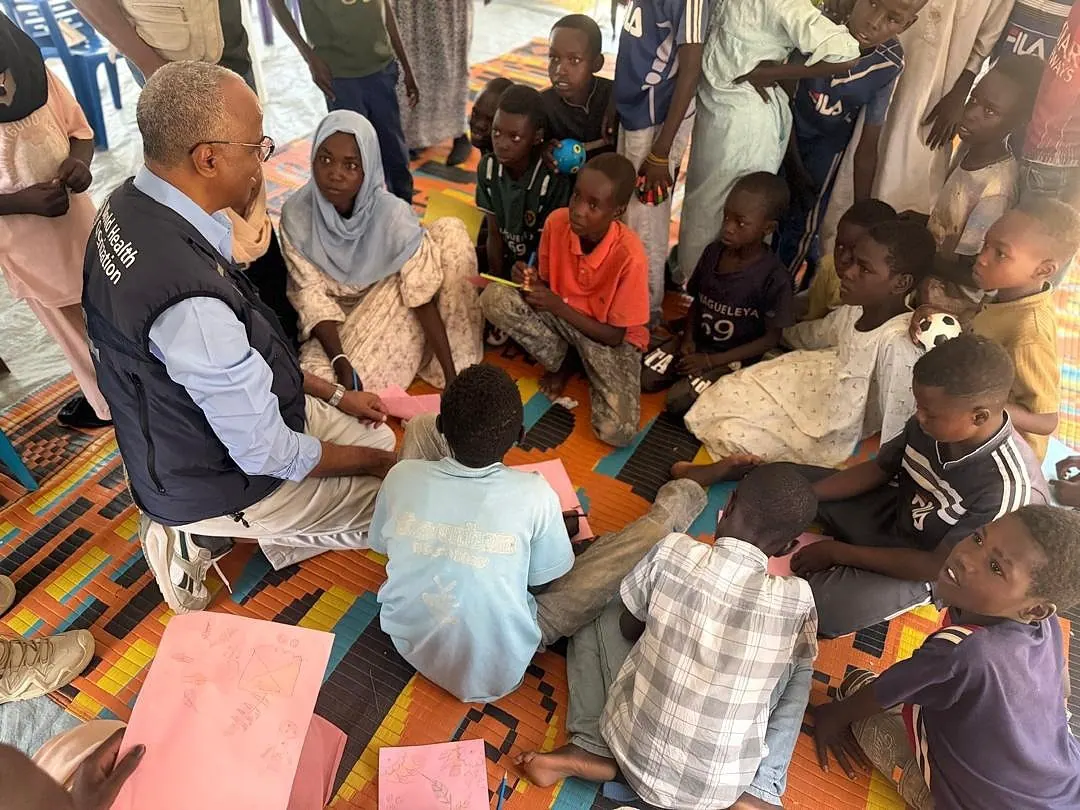
The WHO's representative in Sudan, Dr. Abd al-Nasser Abu Bakr, recently conducted a 10-day field mission to Darfur, visiting health facilities, meeting with healthcare workers, community leaders, and displaced persons to assess the evolving health situation and priority needs. The mission covered all Darfur states, except East Darfur, and included visits to main referral hospitals, primary healthcare centers, kidney dialysis units, laboratory facilities, and projects supported by the WHO.
During his visit, Dr. Abu Bakr witnessed firsthand the dire situation in healthcare facilities, with malnutrition being a significant concern. The situation is expected to worsen with the impending effects of the El Niño phenomenon, which will likely exacerbate food insecurity and vulnerability. Moreover, access to mental health services and psychosocial support remains limited, and the lack of essential medicines for mental health conditions denies many people the care they need.
The WHO has emphasized that the health and humanitarian needs in Darfur far exceed the available resources for response. The organization has called for urgent action and additional resources to prevent further deterioration and ensure that the most vulnerable populations have access to essential health services. Dr. Abu Bakr stressed the need to support frontline responders with the necessary resources, tools, and funding to address the growing needs of the populations they serve.
In Darfur, 39 health partners continue to demonstrate a strong commitment to delivering essential health services, reaching millions of people in need. However, significant gaps remain, with many areas and vulnerable communities lacking adequate access to life-saving primary healthcare. Healthcare workers provide essential services under extremely difficult conditions, often with insufficient medicines, medical supplies, infrastructure, and staff.
The WHO has announced its intention to expand its operations in Darfur, Kordofan, and other conflict-affected areas. This expansion will include increasing the provision of essential medicines and medical supplies, enhancing early warning systems and disease surveillance, supporting reference laboratory capacities, and strengthening decentralized coordination among health groups.
The WHO has urged donors, partners, and stakeholders to provide urgent and sustained support to address the growing health and humanitarian needs in Darfur. The organization's appeal for 2026 stands at $97.7 million, but so far, only 23% has been funded. The WHO emphasizes that a significant and sustained increase in funding is required to scale up the health response and address the severe shortages in medicines, medical supplies, disease surveillance, laboratory capacities, and essential health services.
Key points
- The WHO warns of a severe health and humanitarian crisis in Tawila, North Darfur, where over 700,000 displaced people face significant gaps in healthcare and other essential services.