The World Health Organization has issued a warning that the healthcare needs in Darfur, Sudan, are vastly outpacing available resources. The organization's representative in Sudan, Dr. Abd al-Nasser Abu Bakr, made the statement after visiting Darfur and other areas, where he witnessed firsthand the enormous humanitarian and healthcare needs. He noted that continued instability and climate shocks are likely to exacerbate displacement, malnutrition, and disease outbreaks.
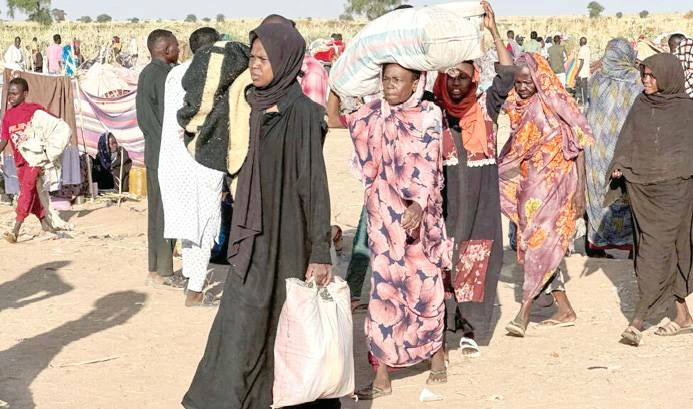
Dr. Abu Bakr visited the town of Tuwailina, where he saw the dire situation firsthand. The town is home to over 700,000 internally displaced persons, making it the largest internally displaced persons camp in Sudan, and possibly in the region or even Africa. Despite the challenges, Dr. Abu Bakr noted that the people he met expressed hope for better healthcare, more food, education, and a stable future free from fear and war.
The representative of the World Health Organization emphasized that, despite the efforts of over 23 partners working in the camp, the sheer number of people in need exceeds the capacity to respond. The situation is further complicated by the daily arrival of new displaced persons. Dr. Abu Bakr acknowledged that the situation in Tuwailina is an extreme example, but it is not an isolated case, as healthcare facilities in Darfur, Kordofan, and other parts of Sudan face severe shortages of supplies.
The World Health Organization has reported that Sudan is experiencing simultaneous outbreaks of multiple diseases, including measles, cholera, dengue fever, and diphtheria. The strong effects of the El Niño phenomenon are already increasing the risks of disease transmission. Dr. Abu Bakr stressed that the organization's staff are working tirelessly to respond to the crisis, but more support is urgently needed to prevent further suffering.
The situation in Darfur has been exacerbated by ongoing instability and climate-related shocks. The region has faced significant challenges in recent years, including conflict, displacement, and poverty. The World Health Organization is calling for increased support to address the enormous healthcare needs in the region and to match the exceptional commitment of healthcare workers on the ground.
The organization's warning highlights the urgent need for international support to address the humanitarian crisis in Darfur. The situation requires a coordinated response from governments, international organizations, and other stakeholders to provide emergency assistance and to help stabilize the region. The World Health Organization is urging donors to provide more funding to support its efforts to respond to the crisis.
The crisis in Darfur has significant implications for the region and the global community. The World Health Organization's warning underscores the need for sustained attention and support to address the humanitarian and healthcare needs in the region. The organization's efforts to respond to the crisis are ongoing, but more support is needed to prevent further suffering and to help the people of Darfur recover from the devastating effects of conflict and climate-related shocks.
Key points
- The World Health Organization warns that healthcare needs in Darfur, Sudan, far exceed available resources.
- The situation in Darfur has been exacerbated by ongoing instability and climate-related shocks.
- The World Health Organization is calling for increased support to address the enormous healthcare needs in the region.