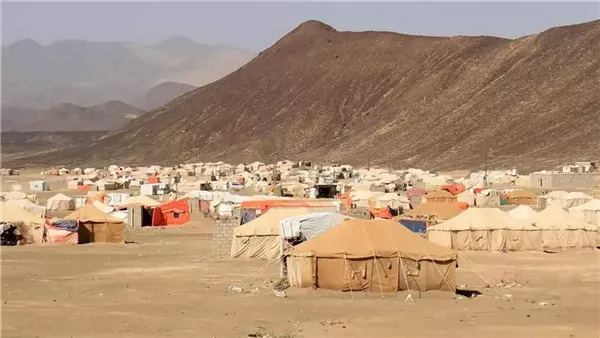
The World Health Organization (WHO) has raised concerns about a potential cholera outbreak in internally displaced persons (IDP) camps in Yemen. According to the WHO, 7,784 suspected cases of cholera have been reported as of the 38th week. The organization has activated rapid response teams to conduct active surveillance in response to alerts from two IDP sites in Aden, the temporary capital of Yemen.
The WHO and Yemen's Ministry of Public Health and Population have joined forces to address the situation. The IDPs who have recently fled the western coast are facing dire health and living conditions, increasing the risk of disease transmission. Approximately 40% of these IDPs rely on unprotected wells or surface water for drinking water, and nearly a third lack latrines with locks.
The ongoing conflict has led to a decline in maternal healthcare services. Two hospitals in Marib and Ras Al-Arrah have temporarily suspended comprehensive emergency obstetric and newborn care services due to the redirection of surgical teams and medical staff to treat war casualties. Patients are being referred to the nearest functioning hospitals.
The WHO reports that about 60% of healthcare facilities were operating at full capacity before the recent escalation. However, the organization notes a decrease in reporting from facilities in Marib, Taiz, Al-Dhala, and Aden. Verification of these data is currently underway.
The WHO emphasizes that displacement is now the primary driver of health needs in Yemen. Most displacement movements are short-term and circular, with two-thirds of registered IDPs moving within their respective governorates. Taiz, a conflict-ridden area, is both a major area of origin and destination for IDPs.
A secondary displacement trend involves longer-distance movements. IDPs from the Al-Hudaydah coast are currently residing in Aden, Abyan, Lahj, Hadhramaut, and Al-Mahrah governorates. Newly displaced families often live with host families or in temporary shelters, creating an environment conducive to the spread of diseases like cholera, measles, malaria, and dengue fever.
The approaching "El Niño" season is expected to exacerbate the situation. The WHO warns that the current health and living conditions of IDPs create a high risk of disease transmission. The organization continues to work with the Yemeni government to monitor the situation and respond to emerging health needs.
Key points
- The WHO has reported 7,784 suspected cases of cholera in Yemen as of the 38th week.
- The ongoing conflict has led to a decline in maternal healthcare services, with two hospitals suspending emergency obstetric and newborn care services.
- The WHO emphasizes that displacement is now the primary driver of health needs in Yemen, with most IDPs moving within their respective governorates or to longer-distance locations.